
Semaglutide injection site reactions: what to do
Ready to take the next step? See if you're eligible for expert-led weight loss support.
Noticed some swelling or redness after injecting semaglutide? Learn what to do and when it might be serious.

Have you noticed a reaction on your skin after injecting Wegovy (semaglutide)?
A little bit of redness or swelling is not uncommon and should go away with time. Serious allergic reactions are rare but can be very serious. You should seek medical advice immediately if you believe you're experiencing an allergic reaction.
In this guide, we explain the difference between normal immune responses and allergic reactions. We also share tips for minimising injection site reactions with Wegovy.
Normal immune responses and what they look like
Your skin is an organ that acts as a barrier to protect the body. When you insert a needle through that barrier, it's normal to sometimes get a localised mild inflammatory response from your immune system.
This is a natural defence mechanism. Your body sends signals to widen the blood vessels at the injection site, increasing the blood flow around it. This can cause a small area of redness and swelling that feels warm. The redness and swelling usually disappear within a few hours.
Immune defence cells might also respond and collect around the injected tissue. These can increase the swelling and cause a small, firm lump. It can feel itchy and mildly painful. This natural response is localised to the injection site and should subside within a day or two.
When to seek medical advice
If localised pain, redness, heat or swelling lasts for more than a couple of days, contact your health provider or pharmacist for advice. You may need an antihistamine cream or a similar treatment.
If the injection site reaction becomes worse or if the skin is bright red, blistered or forms pus, it might mean you have an infection. Contact your health provider for treatment.
In the Wegovy clinical trials, 2% of users experienced a rare skin sensitivity reaction that feels like burning or tingling (dysesthesia).¹ Contact your health provider for advice if this happens.
When to get urgent help
Stop taking the medication and seek medical help immediately if you experience an allergic reaction to Wegovy (semaglutide). This may include any of the following symptoms:
- Severe rash, hives, or severe itching
- Redness that tracks along the skin
- Blistering or peeling skin (with or without a fever)
- Swelling of your face, lips, mouth, tongue or throat
- Difficulty breathing, swallowing or talking
- A very rapid heartbeat
- Wheezing or a feeling of chest tightness
- Fainting or feeling dizzy
How to minimise inflammation
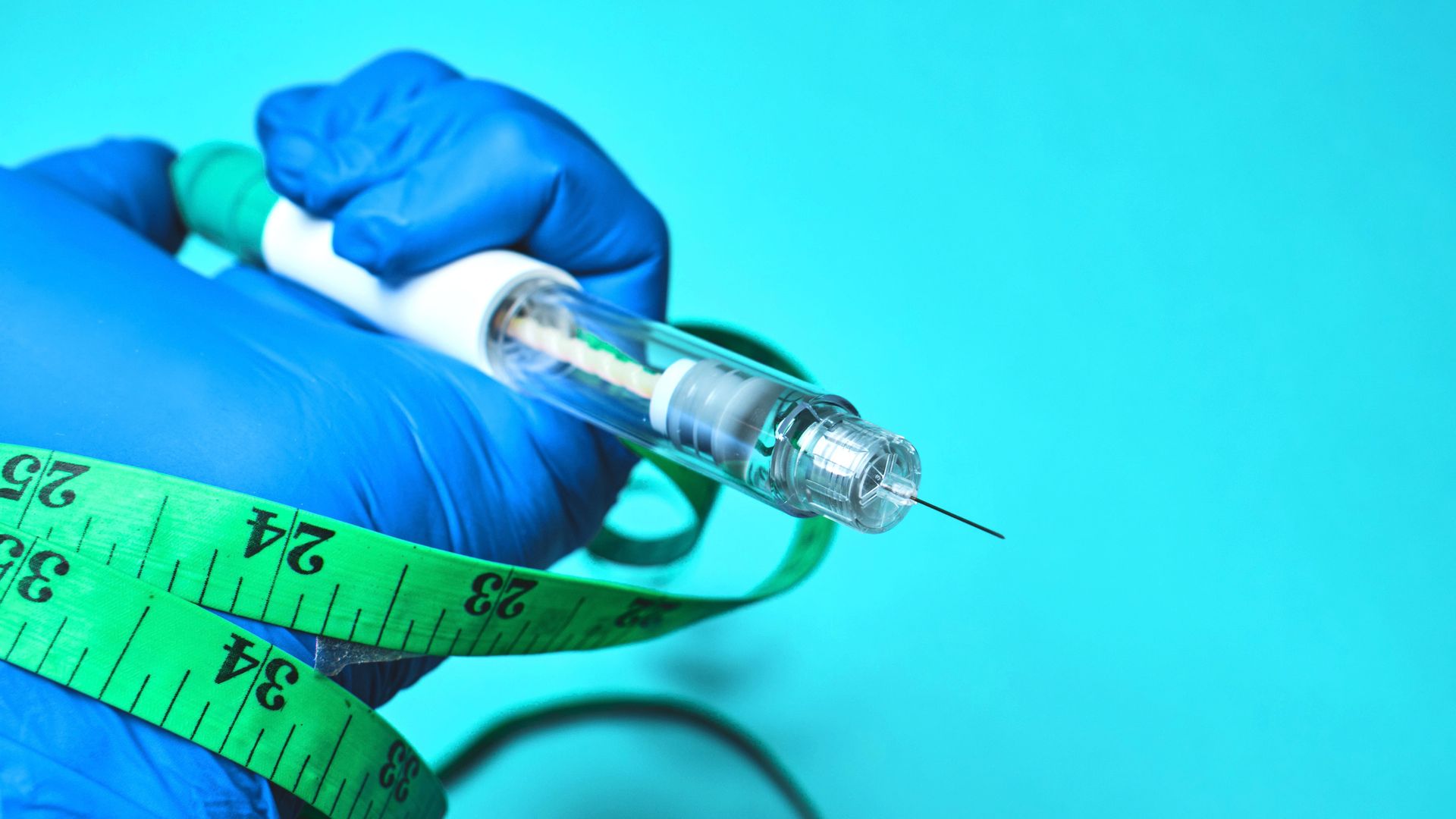
You take semaglutide using an injection pen. This pen has a short, fine needle that's designed to minimise trauma to skin tissue.
The drug's manufacturer has also provided some guidance to minimise the triggers for inflammation. Below, we summarise this guidance and explain why it's important.
1. Choose the right injection site
The best Wegovy injection sites are areas with a good layer of fat beneath the skin. Wegovy's manufacturer recommends the tummy, the outer part of the upper arm or the front of the thighs.
Injecting into this thick fat layer causes less pain and less inflammation.
In other areas of the body, the fatty layer may be too thin. This means the needle might go into the muscle or blood vessels beneath. Not only will this be more painful, but it could also cause bruising, itching and soreness that lasts longer.
Choosing the wrong injection site could also affect how the drug works. Semaglutide is designed to be released into the subcutaneous fat layer so it can be absorbed gradually. If it goes into tissue with more blood flow, then it will be absorbed and distributed too quickly. This could trigger a greater inflammatory response and interfere with the absorption of the medication, leading to unwanted side effects.
2. Avoid the belly button
The tummy is a recommended injection site. However, you should make sure to inject at least two inches (5cm) away from the belly button. This helps avoid irritating and inflaming the scar tissue around it.
3. Rotate the injection site
You should inject semaglutide into a different part of the body each week. Alternatively, you can inject into the same area but keep each injection at least half an inch (1cm) apart.
Do not inject in the same spot twice in a row. Repeating injections in the same spot can cause constant irritation in the fatty layer. This, in turn, could lead to scarring and hardening of the fat tissue, causing rubbery nodules under the skin (lipohypertrophy).
4. Avoid areas of scar tissue
Don't inject into stretch marks or operation scars, as this skin is more likely to become irritated and inflamed. On top of this, the fibrous nature of the tissue prevents it from absorbing the medication as effectively.
5. Always wash your hands and keep the injection site clean
Wash your hands before you start, and use soap and water or an alcohol swab to clean the injection site. This helps to avoid infection.
If using alcohol swabs, be sure to let the skin air dry thoroughly before injecting. Otherwise, you might get a stinging sensation when you push the needle into your skin.
6. Pinch an inch
When you're ready to inject, lightly pinch an inch of skin between your thumb and forefinger. Place the injection pen onto the pinched skin at a 90-degree angle. Push the end down firmly with your thumb and count to 10. Release the skin as you remove the pen.
This technique makes sure you only inject into the fat layer. Otherwise, you might accidentally hit a muscle or blood vessel, which can be painful and cause bruising.
7. Don't rub it better
If you experience pain or irritation, resist rubbing or massaging the skin. This will only make the inflammation worse.
Instead, gently apply pressure to the area with a clean cloth soaked in cold water. You can also use ice – but wrapped in cloth, not applied directly to the skin. You don't want to add freezer burn to your discomfort.
What to do if the injections are painful
Most people find that taking semaglutide is relatively painless. However, you might feel some discomfort depending on your personal pain threshold and how sensitive your skin happens to be at the time.
Some find that numbing the area beforehand helps to minimise irritation. You can do this by wrapping ice in a cloth and applying it to the injection site. You could also get an over-the-counter numbing cream from your pharmacy.
Are you a SemaPen subscriber? Remember that you can access help and advice at any time through the SemaPen app.
Are you new to SemaPen? Learn more about our tailored at-home weight loss programmes, designed by leading UK obesity experts.
Sources
1. https://www.novomedlink.com/obesity/products/treatments/wegovy/efficacy-safety/safety-profile.html
This article was reviewed and approved by Alice Fletcher, Lead Bariatric Dietician, and Lujain Alhassan, Bariatric Nutritionist, on 20 May 2025.
- Average 15-21% weight loss*
- Tailored programmes built by real experts
- Targeted support to make success feel simpler
- Unique app with weight loss tools and lessons
Your journey starts here
Start your personalised weight loss plan in minutes.
1
Start your online consultation
2
Get approved by our clinical team
3
Begin your programme