
Can eating too few calories slow weight loss?
Ready to take the next step? See if you're eligible for expert-led weight loss support.
Did you know that extreme calorie-cutting can make losing weight more difficult? Learn why – and what to do instead.
Losing weight is rarely easy. But when it comes to the underlying chemistry behind weight loss, the formula is surprisingly simple.
We get energy from food, which we call 'calories'. The body burns calories through physical activity, whether that's high-intensity exercise or simply going about your day-to-day life. If we burn more calories than we consume (maintain a calorie deficit), we lose weight over time.
But it's not quite so simple as 'slash calories and succeed'. You probably know, for instance, that eating the right amount of calories – and a wide variety of foods – is important for your health. That's true whether or not you're trying to lose weight.
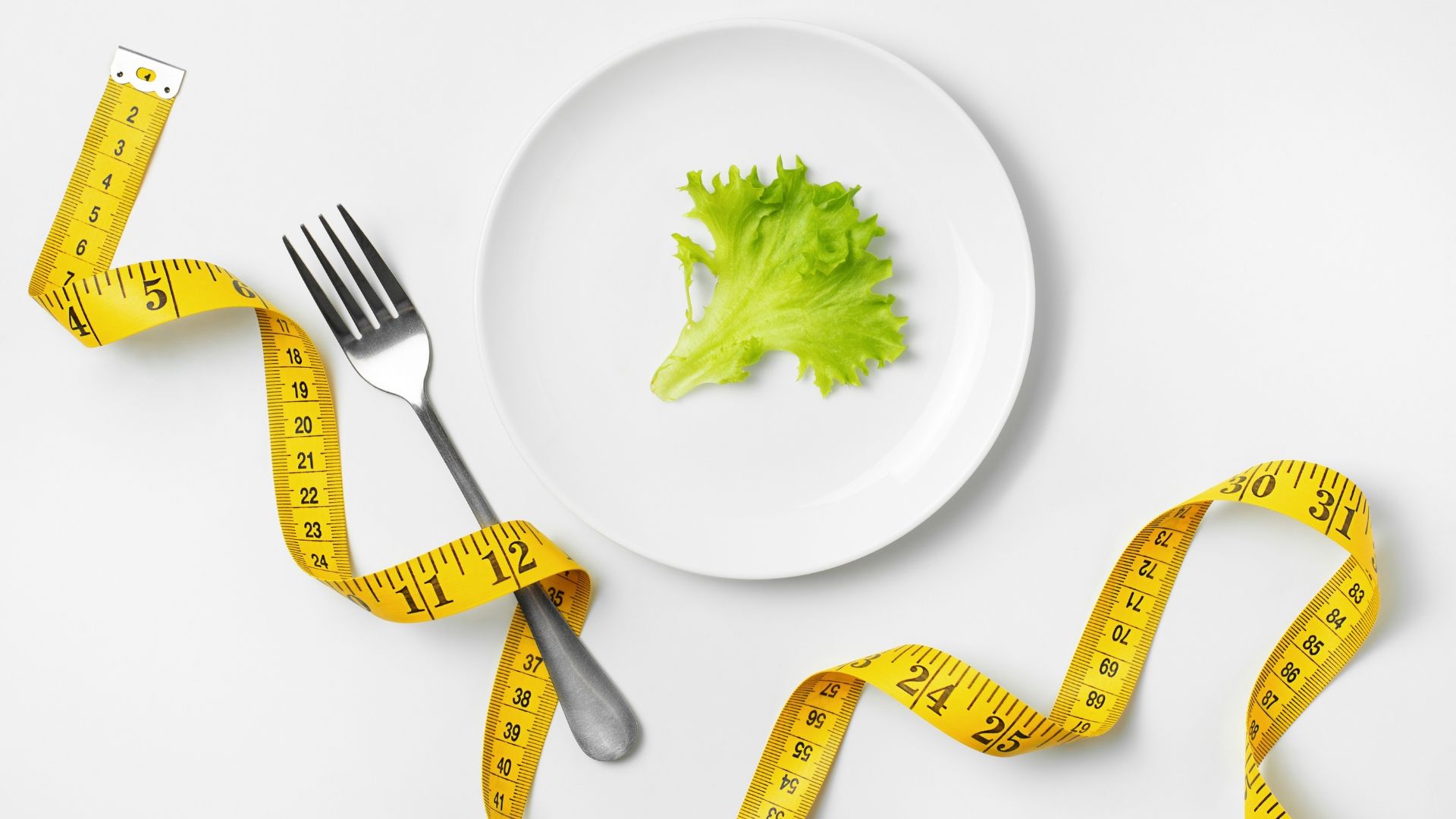
But did you know that eating too few calories can actually hinder your weight loss?
It's true. Drastically cutting calories or avoiding entire food groups can:
- Cause weight loss plateaus, where your weight loss stalls for a time
- Make it harder to maintain long-term results
The reason for this is rooted in the body's natural survival mechanisms. Let's explore the science.
Your body runs on energy
We tend to think of calories in terms of eating and exercise. We check foods to see how many calories they contain. And we judge a workout based on how many calories it burns.
But we don't only need calories for exercise. We also need them for essential bodily functions like breathing, thinking, digestion and keeping our hearts beating.
Everyone needs a certain amount of calories to function. This is called your
basic metabolic rate (BMR).
We all have a different BMR. It varies widely by age, weight, height, gender, muscle mass and genetics.
When you eat slightly fewer calories than your body needs, it turns to stored fat for extra energy. This leads to weight loss.
However, things can change if your calorie intake drops too low for too long. Your body may interpret this extreme calorie deficit as a threat and burn fewer stored calories to protect itself. That's one reason why dietitians recommend maintaining a calorie deficit that's reasonable and sustainable.
Why eating too little can backfire
Not too long ago, humans didn't have easy access to calorie-dense food as we do now. Evolution moves much more slowly than the food industry, so our bodies still have many prehistoric defence tactics to carry us through periods of scarcity.
These responses were once critical to our survival. Now, however, they can make it harder to lose weight as quickly as we might want to.

Metabolic adaptation
One of the body's survival techniques is metabolic adaptation.
Remember BMR? Well, that's metabolism. Your body can slow down your metabolism if it needs to conserve energy.
A slower metabolism means the body burns fewer calories throughout the day, even during basic activities. So, the same calorie intake that once yielded weight loss may stop working.
In extreme cases, we can stop losing weight entirely despite eating very little. Of course, this can lead to frustration and confusion.
It's much better (and less frustrating) to eat a healthy amount of calories and a wide variety of foods. This isn't just preferable in terms of overall health. It also means there's less chance of weight loss plateaus – and less chance of giving up because your diet lacks variation.
Hormonal shifts
Your body might also start talking to you directly through hormone triggers. When food intake drops too low, levels of hormones can shift in ways that slow down weight loss.
- Leptin, which signals fullness and helps regulate energy balance, often drops during prolonged calorie restriction. Lower leptin levels can increase hunger and reduce calorie burning.
- Cortisol
can make it even worse. This is a stress hormone associated with fat storage, particularly in the abdominal (stomach) area.
- At the same time, levels of
ghrelin
– a hormone that stimulates appetite – tend to rise.
Yo-yoing hormones can leave people feeling constantly hungry or tired. In turn, this can increase the likelihood of overeating or binge eating.
Here, the problem is simple. If you try to cut down energy sources too much, your body's hormonal signals will keep getting louder until you can't ignore them.
When this happens, the most accessible (and most desirable) foods are often highly processed and full of salt, sugar and fats. Exactly what your body wants – but hardly helpful when the goal is to build healthy habits.
These hormonal changes not only slow weight loss but can also make dieting mentally and emotionally exhausting. The good news is that these changes are not permanent. Eating enough to support your body will help rebalance those hormones and should lead to healthy, sustainable results.
Physical activity gets harder
Being too restrictive with calories can get in the way of healthy exercise habits. This is for two main reasons:
- Loss of muscle mass
- Feeling too tired
If we eat too little, we have less energy overall. We might notice this when we start struggling at the gym or feeling too drained to go on a short walk after work.

What you might not notice as easily, though, is a decrease in non-exercise movements like walking speed, body gestures or fidgeting.
Less daily movement means a reduction in
non-exercise activity thermogenesis (NEAT). This is the total energy expended from physical activities that aren't sleeping, eating or doing structured exercise.
With a lower NEAT, you can expect a significantly lower total calorie expenditure. Even small declines in daily activity can offset the calorie deficit created by eating less, further stalling weight loss.
Then there's muscle loss. Losing weight, generally speaking, can
lead to a reduction in muscle mass.¹ However, severely restricting calories can make it worse² – particularly if you don't get enough protein or don't do resistance exercises.
Muscle tissue is metabolically active, meaning it burns more calories than fat tissue. When muscle mass decreases, the body becomes less efficient at burning calories.
Finding the right calorie balance
While eating fewer calories is essential for weight loss, eating too few calories can have the opposite effect. Severe calorie restriction can slow metabolism, reduce muscle mass, disrupt hormones, decrease physical activity and make weight loss harder to sustain.
These are just a few of the many problems with extreme diets. Rather than accelerating results, they often lead to plateaus, frustration and weight regain.
That's why carefully planning your calorie deficit is essential for safe, healthy weight loss. The right deficit is different for everyone, but as a rough guide, the NHS recommends reducing your daily intake by 600 calories per day.³
To give yourself the best chance of achieving a healthy, sustainable result, you should pair a sensible calorie deficit with:
- A diet that has a good amount of protein
- Exercise habits that include strength training and a good amount of rest
And don't forget to vary your food intake. Eating a wide variety of foods not only means getting more nutrients, but also keeping your diet interesting. After all, dieting should be about enjoying the food we consume and forming a healthier relationship with eating – not extreme diets or boring, bland meals.
Good luck!
Do you want to lose weight without extreme calorie-cutting? At SemaPen, we offer three expert-led programmes that harness specialist, tailored support alongside the latest proven weight loss treatments.
It all starts with our digital consultation. Simply download the SemaPen app and our experts will recommend the best treatment options for you.
Sources
1. Hall, K.D. (2018) "Metabolic Adaptations to Weight Loss"
Obesity, 26(5)
https://doi.org/10.1002/oby.22189
2. Janssen, T.A.H. et al. (2023) "The impact and utility of very low-calorie diets: the role of exercise and protein in preserving skeletal muscle mass"
Current Opinion in Clinical Nutrition and Metabolic Care, 26(6)
https://doi.org/10.1097/MCO.0000000000000980
3. NHS Better Health (n.d.) Calorie counting. Retrieved from
https://www.nhs.uk/better-health/lose-weight/calorie-counting/
This article was reviewed and approved by Sarah Abdula, Specialist Dietitian, on 28 January 2026.
- Average 15-21% weight loss*
- Tailored programmes built by real experts
- Targeted support to make success feel simpler
- Unique app with weight loss tools and lessons
Your journey starts here
Start your personalised weight loss plan in minutes.
1
Start your online consultation
2
Get approved by our clinical team
3
Begin your programme