
Can Wegovy and Mounjaro really cause 10 years of muscle loss?
Ready to take the next step? See if you're eligible for expert-led weight loss support.
A recent article suggested Wegovy and Mounjaro cause muscle loss equivalent to 10 years of ageing. Is that true? Get the full facts in our guide.
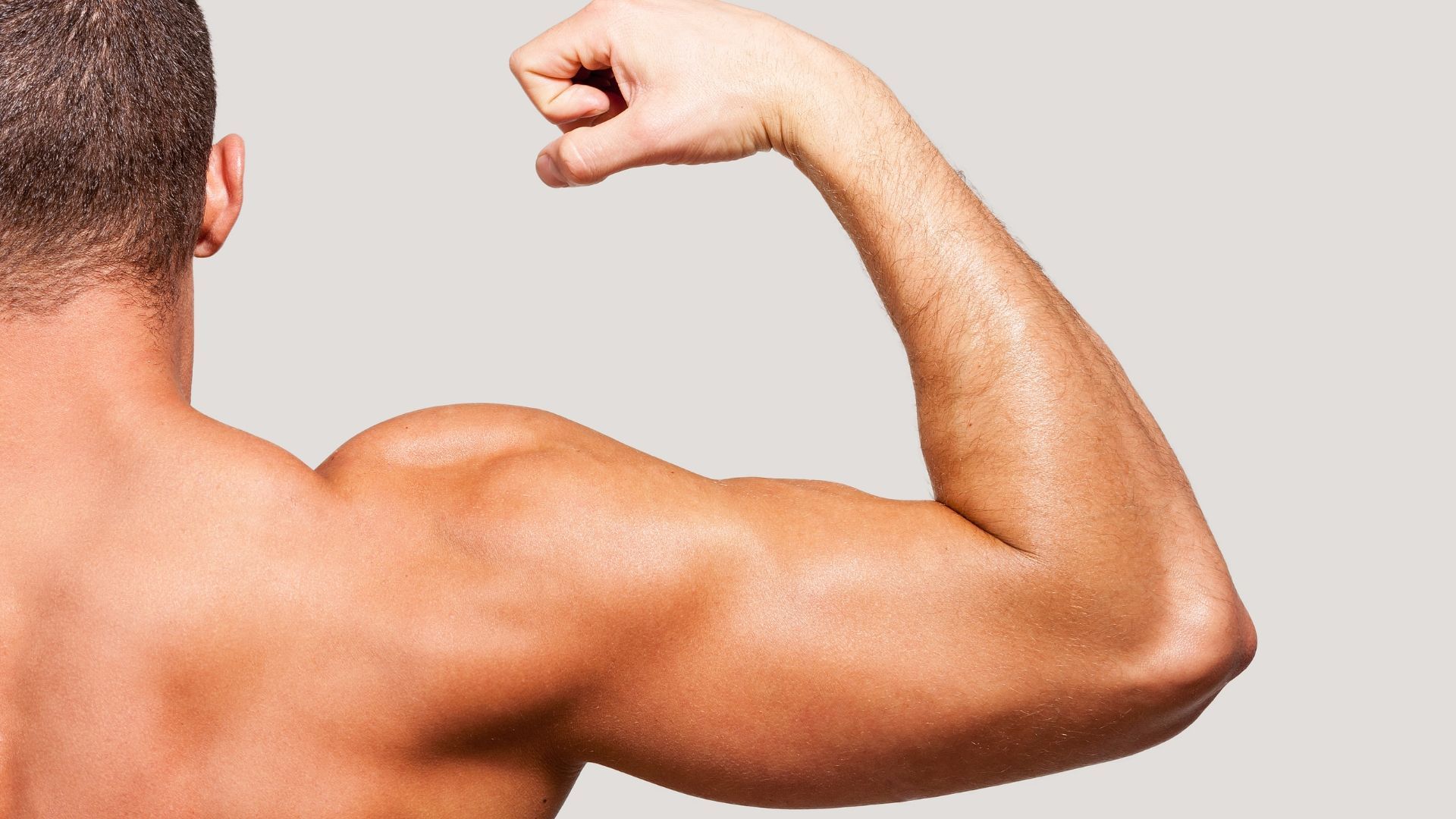
If you follow the news in the UK, you might have seen a curious headline in The Times . 'Weight loss drug users told to do weights or risk ageing 10 years', it
warned.
The problem, the article explained, centres on a phenomenon called 'muscle loss'. This is the tendency for people to lose muscle, as well as fat, when experiencing rapid weight loss.
Citing astudyfrom 2024, the writer claims that using Wegovy or Mounjaro causes more muscle loss than you'd usually expect in a decade.
Is this true? As is often the case in medicine, the answer is a little more complicated than a straight 'yes' or 'no'. Let's dig into the facts.
What the article says
The first thing we'll say is this: don't let that headline worry you. To say that Wegovy and Mounjaro users 'risk ageing 10 years' isn't strictly incorrect. But it's certainly stretching the meaning of the word 'ageing'.
The truth is that ageing is a complex process tied up in many biological mechanisms – and which isn't yet fully understood. Muscle loss is one component of ageing, sure. But claiming you've aged 10 years because you've lost some muscle tissue is a bit like saying you've shrunk an inch because you've had a haircut. It's only one piece of a 10,000-piece puzzle.
Dive further into the article and it all becomes clearer. 'An evidence review published last year found that use of the drugs caused a "rapid and significant loss of lean mass", averaging about 6kg per person', it says. This, it points out, is more than you'd expect to lose in a decade.
This is correct. The study indeed found that weight loss drug users lose around 10% of their lean mass on average – or around 6kg.¹
We all lose muscle tissue as we age. After age 30, our muscle mass decreases by around 3% to 8% each decade. And after we hit 60, the rate of muscle loss increases.²
So far, so accurate. However, there's more to the story when you scratch beneath the surface. Let's learn more about why muscle loss happens and what it means for your weight loss journey.
What you need to know about Wegovy/Mounjaro and muscle loss
1. Lean mass and muscle mass aren't the same thing
In the study cited by The Times , researchers noted that weight loss medications tended to cause a loss of lean mass . Lean mass is defined as your total body weight minus the weight of body fat. It includes muscle tissue. It also includes bones, skin, organs and water.

Losing lean mass while losing weight is a real concern. After all, more than 50% of lean mass is made up of skeletal muscle tissue.³ These are the muscles that let you walk, run and move around – pretty essential, to say the least.
However, let's not forget those other components of lean mass – particularly water. Our fat tissues contain water, so when we lose fat, we always lose a little lean mass.
How much lean mass? Scientists have tried to answer this very question.
In a 2019 review, researchers looked at the impact of three different kinds of diet and exercise changes on adults with obesity. They found that participants lost 9kg on average – including 2.7kg of lean mass.⁴
However, that figure included lean mass in fat tissues. When the researchers eliminated this from their calculations, they saw that the loss of lean mass was markedly reduced. For one group, who undertook resistance training during their treatment, lean mass actually increased by 0.3kg on average after the calculations were adjusted.⁴
This isn't to say we can forget about maintaining lean mass when losing weight. (We most definitely shouldn't.) However, it does raise an important point: the type of lean mass matters.
2. It's probably the weight loss, not the weight loss medication
Wegovy and Mounjaro are relatively new treatments, with each gaining UK approval in 2021 and 2023 respectively.
Where new treatments are concerned, it's natural and sensible to be wary of new and undesirable effects. And in this case, it would be natural and sensible to assume that rapid muscle loss occurs as a direct result of taking Wegovy or Mounjaro.
However, the evidence suggests that weight loss medications cause about as much muscle loss – proportionally speaking – as traditional treatments like diet and exercise.
In other words, if you lose a lot of weight rather quickly, you also lose rather a lot of muscle. And this seems to be true whether or not you're using weight loss medications.
This is borne out by a 2025 study comparing weight loss through lifestyle interventions and injectable medications. The authors found that 'body composition changes […] were similar following both treatments'.⁵
The same goes for an expert article published last year in The Lancet Diabetes & Endocrinology . The authors noted that muscle loss with weight loss medications ranged from 25% to 39%, as a proportion of total weight loss. However, they also pointed out that 'this substantial muscle loss can be largely attributed to the magnitude of weight loss', rather than the injections themselves.⁶
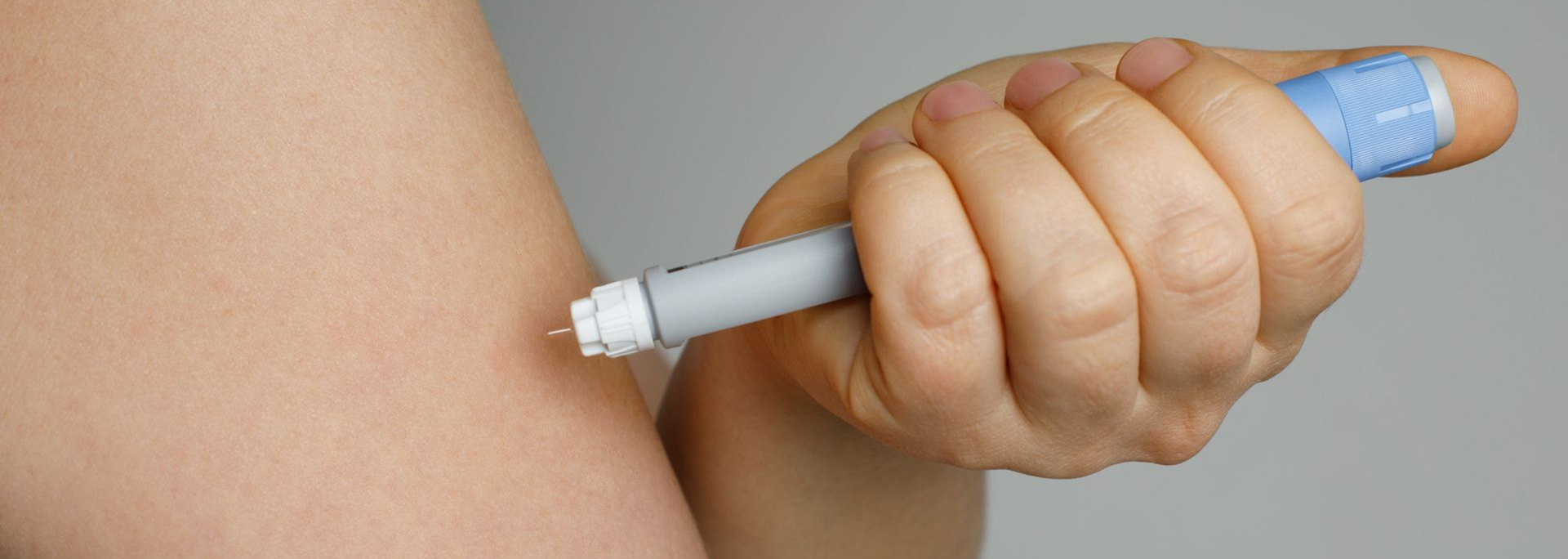
This is an area that needs more study. However, based on the best current evidence, we can be reasonably sure that the amount of muscle loss seen with weight loss medications isn't unusual . It's about equal to what we'd expect to see with any substantial and relatively rapid case of weight loss.
3. Getting the right support is important
The study cited by The Times was a narrative review. That means it looks at existing research on a topic and summarises what we know.
In all, the authors looked at 15 studies that measured changes in body composition (fat and lean mass) in participants using weight loss injections. Looking at a wide variety of studies means they have more data to back up their analysis.
However, what's not clear is how much dietary support was provided in these studies. By this, we mean tailored guidance by qualified dietitians to help participants lose weight safely and sustainably.
Experts agree that this kind of dietary support is vital to achieving healthy weight loss and minimising the loss of lean mass. One narrative review, for instance, recommends 'nutritional strategies' as part of a 'comprehensive lifestyle approach, including physical activity programs, management of side effects, adequate sleep' and more.⁷
4. You should still be concerned about muscle loss
None of this is to suggest that muscle loss doesn't happen or that it isn't a real concern. It does – and it is.
As with any weight loss treatment, it's important to take steps to preserve muscle mass while using Wegovy or Mounjaro. That's because preserving muscle helps you maintain energy, feel strong and burn more calories at rest.⁸
The good news is that healthcare professionals have studied the risks and consequences of muscle loss during periods of rapid weight loss. And that means there are plenty of expert recommendations to help you stay lean and strong as you lose weight. That includes:
Do regular resistance training: as the Times article points out, regular resistance exercise is one of the best ways to avoid muscle loss while losing weight. Experts recommend two to three sessions of bodyweight training, free weights or resistance bands each week.⁹
Don't starve yourself: as with most weight loss treatments, Wegovy and Mounjaro rely on maintaining a calorie deficit to burn fat. However, you should still eat a sensible amount of calories to help preserve energy and muscle. The NHS recommends cutting your calories by about 600 per day to achieve healthy, sustainable weight loss.¹⁰
Eat a healthy, balanced diet: it's not just the calories you consume that are important . Eating the right nutrients helps your body build and repair muscle tissue as you lose weight. Aim to eat a range of healthy options from all food groups, including plenty of lean protein.
Look beyond the scale: if you're building muscle while you burn fat, your body will change in ways that won't reflect on the bathroom scale. That's why it's important to look beyond body weight and use other measures, such as waist-to-height ratio, to help gauge your success.
And remember – it's always easier to lose weight safely and sustainably when you have structured, expert support on your side. When you
purchase Wegovy or
Mounjaro through SemaPen, you join a trusted weight loss programme designed and led by UK obesity experts. For you, that means tailored lifestyle and dietary support to help you lose weight, preserve muscle and learn healthy lifelong habits.
It's easy to find out if you're eligible. Simply complete our
digital consultation and we'll recommend the best treatment options for your individual needs.
Sources
1. Locatelli, J.C. et al. (2024) "Incretin-Based Weight Loss Pharmacotherapy: Can Resistance Exercise Optimize Changes in Body Composition?" Diabetes Care , 47(10)
https://doi.org/10.2337/dci23-0100
2. Volpi, E. et al. (2010) "Muscle tissue changes with aging" [author manuscript]
https://pmc.ncbi.nlm.nih.gov/articles/PMC2804956/
3. Loomba-Albrecht, L.A. (2018) "Pubertal Development", in Skinner, M.K. (ed) Encyclopedia of Reproduction (Second Edition) (pp. 100–104). Academic Press.
https://doi.org/10.1016/B978-0-12-801238-3.64365-9
4. Abe, T. et al. (2019) "Body Fat Loss Automatically Reduces Lean Mass by Changing the Fat-Free Component of Adipose Tissue" Obesity , 27(3)
https://doi.org/10.1002/oby.22393
5. Moolla, A. et al. (2025) "Randomised trial comparing weight loss through lifestyle and GLP-1 receptor agonist therapy in people with MASLD" JHEP Reports , 7(5)
https://doi.org/10.1016/j.jhepr.2025.101363
6. Prado, C.M. et al. (2024) "Muscle matters: the effects of medically induced weight loss on skeletal muscle" The Lancet Diabetes & Endocrinology , 12(11)
https://doi.org/10.1016/S2213-8587(24)00272-9
7. Dias, D.D. et al. (2025) "Nutritional Approaches to Enhance GLP-1 Analogue Therapy in Obesity: A Narrative Review" Obesities , 5(4)
https://doi.org/10.3390/obesities5040088
8. Hall, K.D. (2018) "Metabolic Adaptations to Weight Loss" Obesity , 26(5)
https://doi.org/10.1002/oby.22189
9. Hollis, M. (2025) How to maintain muscle loss during weight loss. Sword Health. Retrieved from
https://swordhealth.com/articles/maintain-muscle-during-weight-loss
10. NHS (n.d.) Calorie counting. Retrieved from
https://www.nhs.uk/better-health/lose-weight/calorie-counting/
- Average 15-21% weight loss*
- Tailored programmes built by real experts
- Targeted support to make success feel simpler
- Unique app with weight loss tools and lessons
Your journey starts here
Start your personalised weight loss plan in minutes.
1
Start your online consultation
2
Get approved by our clinical team
3
Begin your programme