

Why is weight loss not linear?
Ready to take the next step? See if you're eligible for expert-led weight loss support.
Discover why weight loss naturally slows over time, and learn how to move past plateaus with confidence.
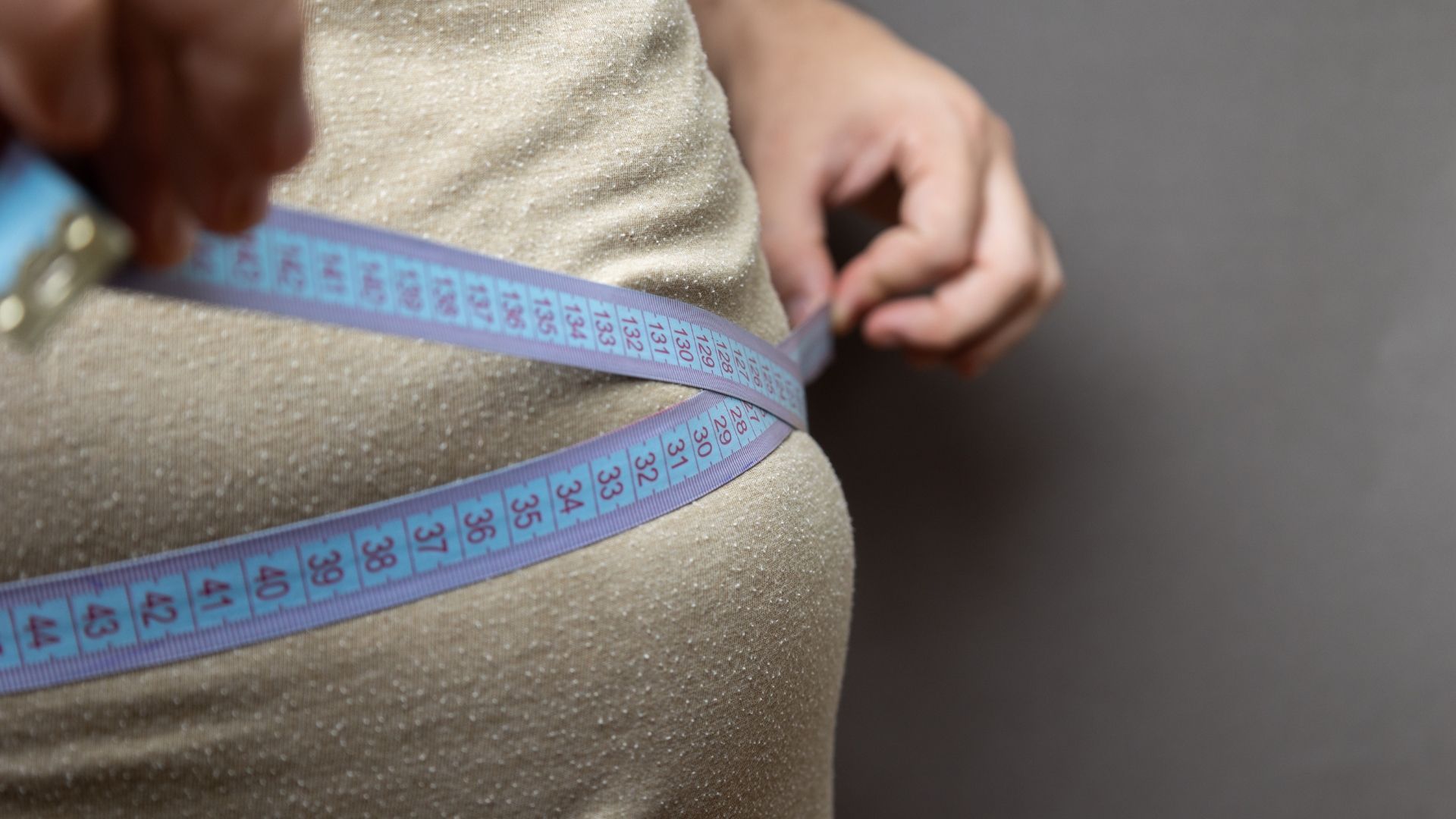
If you've tried to lose weight before, this story might sound familiar.
In the beginning, the pounds seem to melt off. Your new diet and exercise regime is working. Things are looking positive.
But at some point, everything slows down. Your exercise routine doesn't lead to the same results. It starts to become harder to resist sugary snacks when it feels like healthy eating isn't getting you anywhere.
At this point, you might start wondering, 'Is my weight loss plan working – or am I doing something wrong?' It can be tempting to give up at this point, but it's important that you don't. That's because losing weight is not linear . It often starts fast, tends to slow down, and sometimes stops completely – at least for a while.
When weight loss stops temporarily, we call it a 'weight loss plateau'. Most people who are trying to lose weight will reach a weight loss plateau at some point.
Learning why plateaus happen – and strategies to overcome them – is one of the keys to unlocking long-term results and sustainable, life-long achievement.
Let's break down a few of the reasons weight loss can look different at different stages of your journey.
Weight loss is not a quick fix, but a long-term journey
Most people experience a rapid reduction in weight when they first make positive lifestyle changes.
When calorie intake is reduced, the body responds by drawing glycogen (stored energy) from the muscles and liver as a way to get energy quickly. Each gram of glycogen holds three grams of water.¹ So, when these reserves are reduced, the body loses water weight as well as fat.
We lose body fat more slowly than water. That's because the body needs to break down fat cells before it can use them as an energy source.
So, while the scale might show positive progress, the truth is that you're probably not losing lots of fat to begin with. Instead, you're shedding glycogen and water, or what some people call 'water weight'.
Sustainable weight loss is the goal
We know it might be disheartening to see quick progress to begin with, only to learn that much of the weight you lost was water.
But remember that almost everyone goes through weight loss plateaus. And besides, rapid weight loss isn't the goal. Instead, you should aim for sustainable weight loss.
In the beginning, the pounds seem to melt off. Your new diet and exercise regime is working. Things are looking positive.
But at some point, everything slows down. Your exercise routine doesn't lead to the same results. It starts to become harder to resist sugary snacks when it feels like healthy eating isn't getting you anywhere.
At this point, you might start wondering, 'Is my weight loss plan working – or am I doing something wrong?' It can be tempting to give up at this point, but it's important that you don't. That's because losing weight is not linear . It often starts fast, tends to slow down, and sometimes stops completely – at least for a while.
When weight loss stops temporarily, we call it a 'weight loss plateau'. Most people who are trying to lose weight will reach a weight loss plateau at some point.
Learning why plateaus happen – and strategies to overcome them – is one of the keys to unlocking long-term results and sustainable, life-long achievement.
Let's break down a few of the reasons weight loss can look different at different stages of your journey.
Weight loss is not a quick fix, but a long-term journey
Most people experience a rapid reduction in weight when they first make positive lifestyle changes.
When calorie intake is reduced, the body responds by drawing glycogen (stored energy) from the muscles and liver as a way to get energy quickly. Each gram of glycogen holds three grams of water.¹ So, when these reserves are reduced, the body loses water weight as well as fat.
We lose body fat more slowly than water. That's because the body needs to break down fat cells before it can use them as an energy source.
So, while the scale might show positive progress, the truth is that you're probably not losing lots of fat to begin with. Instead, you're shedding glycogen and water, or what some people call 'water weight'.
Sustainable weight loss is the goal
We know it might be disheartening to see quick progress to begin with, only to learn that much of the weight you lost was water.
But remember that almost everyone goes through weight loss plateaus. And besides, rapid weight loss isn't the goal. Instead, you should aim for sustainable weight loss.

By 'sustainable weight loss', we mean weight loss that's
healthy
and is achieved through the right balance of diet and lifestyle changes.
If you can build good long-term habits, rather than aiming to shed weight as quickly as possible, you'll be:
It's all about addressing the physical and psychological aspects of a real weight loss journey. With Semapen, the goal is to lose weight for good – not just for a month or two.
Five reasons why weight loss is not linear
A 2021 study found many factors are associated with stalling weight loss.² These can be loosely grouped into five categories.
1. Biological
Genetics, anthropometry (body shape and dimensions) and metabolism impact how you lose weight. Taller or heavier people, for instance, typically have a higher basal metabolic rate compared to shorter or lighter patients.
In other words, your height and starting weight can affect how quickly or effectively your weight loss programme works.
Metabolism is how quickly your body burns energy. It's a key cause of weight plateaus because it defines how many calories you need to sustain your current weight.
Losing weight reduces your base calorie requirement. This can explain why the same diet or exercise plan doesn't yield the same results later down the line.
There's also something called 'metabolic adaptation'. Put simply, once your body realises you're consuming less energy (fewer calories), it will start conserving energy by reducing your metabolism.
To overcome this and avoid weight plateaus, you must reevaluate your calorie deficit at different points throughout your weight loss journey.
2. Medical
In the study, certain medical conditions (polycystic ovary syndrome, thyroid conditions and vitamin D deficiency) were associated with hindered weight loss. However, these relationships aren't yet fully understood.
- More resilient to plateaus
- Less likely to regain
- More likely to be able to enjoy the secondary benefits of weight loss
It's all about addressing the physical and psychological aspects of a real weight loss journey. With Semapen, the goal is to lose weight for good – not just for a month or two.
Five reasons why weight loss is not linear
A 2021 study found many factors are associated with stalling weight loss.² These can be loosely grouped into five categories. 1. Biological
Genetics, anthropometry (body shape and dimensions) and metabolism impact how you lose weight. Taller or heavier people, for instance, typically have a higher basal metabolic rate compared to shorter or lighter patients.In other words, your height and starting weight can affect how quickly or effectively your weight loss programme works.
Metabolism is how quickly your body burns energy. It's a key cause of weight plateaus because it defines how many calories you need to sustain your current weight.
Losing weight reduces your base calorie requirement. This can explain why the same diet or exercise plan doesn't yield the same results later down the line.
There's also something called 'metabolic adaptation'. Put simply, once your body realises you're consuming less energy (fewer calories), it will start conserving energy by reducing your metabolism.
To overcome this and avoid weight plateaus, you must reevaluate your calorie deficit at different points throughout your weight loss journey.
2. Medical
In the study, certain medical conditions (polycystic ovary syndrome, thyroid conditions and vitamin D deficiency) were associated with hindered weight loss. However, these relationships aren't yet fully understood.

Links have also been made to medications (insulin, antidepressants and oral contraceptives). Again, however, these are only potential factors for weight loss.
That doesn't mean you should stop taking these medications if you're trying to lose weight, though. You should always consult with a health professional before stopping or changing a medication.
3. Interventional
Initial weight loss success increases motivation and confidence. But many people don't realise fluctuations are
normal
, so they tend to get frustrated when they plateau.
Glycogen levels, constipation, even the accuracy of a measuring device like a bathroom scale… With so many things happening in the background, it can sometimes be hard to know whether to trust a weight loss strategy or change it.
4. Lifestyle
Ultra-processed foods, alcohol, poor quality sleep… Even in a calorie deficit, these factors affect how successful and consistent a weight loss plan can be.
A good weight loss programme will prioritise a diet rich in nutritious food, good sleep and minimal alcohol consumption, as well as calorie reduction.
5. Environmental
Stress and a lack of social support can impact weight loss. Studies have shown that people who include stress management techniques are more successful when trying to lose weight.³
What our experts say
'Weight loss journeys tend to be like a staircase: you lose, then maintain, lose, then maintain.
'There are a few reasons why weight loss can slow down during the maintenance stages. It could be that your body has got used to the changes you've made, so they don't work as effectively. Or it might be that you're losing inches and reshaping.
'These stages are when people are most likely to quit. That's why it's important to look beyond the scale and find other ways to celebrate your success. For instance, you could look at your body measurements, body fat percentage, energy levels or even sleep quality. These can all continue to improve, even if pound-by-pound weight loss slows down.'
Sarah Abdula, Specialist Dietitian at SemaPen
Ways to kickstart weight loss after a plateau
Sources
1. Fernández-Elías, V.E. et al. (2015) "Relationship between muscle water and glycogen recovery after prolonged exercise in the heat in humans" European Journal of Applied Physiology , 115(9) https://doi.org/10.1007/s00421-015-3175-z
2. Dabas, J. et al. (2024) "What could be the reasons for not losing weight even after following a weight loss program?" Journal of Health, Population and Nutrition , 43:37 https://doi.org/10.1186/s41043-024-00516-4
3. Xenaki, N. et al. (2018) "Impact of a stress management program on weight loss, mental health and lifestyle in adults with obesity: a randomized controlled trial" Journal of Molecular Biochemistry , 7(2) https://pmc.ncbi.nlm.nih.gov/articles/PMC6296480/
That doesn't mean you should stop taking these medications if you're trying to lose weight, though. You should always consult with a health professional before stopping or changing a medication.
3. Interventional
Initial weight loss success increases motivation and confidence. But many people don't realise fluctuations are
normal
, so they tend to get frustrated when they plateau.
Glycogen levels, constipation, even the accuracy of a measuring device like a bathroom scale… With so many things happening in the background, it can sometimes be hard to know whether to trust a weight loss strategy or change it.
4. Lifestyle
Ultra-processed foods, alcohol, poor quality sleep… Even in a calorie deficit, these factors affect how successful and consistent a weight loss plan can be.
A good weight loss programme will prioritise a diet rich in nutritious food, good sleep and minimal alcohol consumption, as well as calorie reduction.
5. Environmental
Stress and a lack of social support can impact weight loss. Studies have shown that people who include stress management techniques are more successful when trying to lose weight.³
What our experts say
'Weight loss journeys tend to be like a staircase: you lose, then maintain, lose, then maintain.
'There are a few reasons why weight loss can slow down during the maintenance stages. It could be that your body has got used to the changes you've made, so they don't work as effectively. Or it might be that you're losing inches and reshaping.
'These stages are when people are most likely to quit. That's why it's important to look beyond the scale and find other ways to celebrate your success. For instance, you could look at your body measurements, body fat percentage, energy levels or even sleep quality. These can all continue to improve, even if pound-by-pound weight loss slows down.'
Sarah Abdula, Specialist Dietitian at SemaPen
Ways to kickstart weight loss after a plateau
- Revisit your diet.
Reducing simple carbohydrates can help regulate blood glucose levels and reduce overall calorie intake. Adding more protein helps prevent muscle mass loss, which can help avoid weight loss dips and falls.
- Reduce or cut out alcohol.
Not only can this reduce the likelihood of plateaus, but minimising alcohol consumption also improves blood pressure and sleep quality. What's more, it can reduce fatty deposits that build up around the liver.
- Stay positive.
Weight loss plateaus are a normal part of trying to lose weight. Remember to celebrate the achievements you've made, and encourage yourself to push past the plateau.
- Get support.
Whether it's professional advice or joining a weight loss programme, losing weight is easier when you've got the right social and professional support.
Sources
1. Fernández-Elías, V.E. et al. (2015) "Relationship between muscle water and glycogen recovery after prolonged exercise in the heat in humans" European Journal of Applied Physiology , 115(9) https://doi.org/10.1007/s00421-015-3175-z
2. Dabas, J. et al. (2024) "What could be the reasons for not losing weight even after following a weight loss program?" Journal of Health, Population and Nutrition , 43:37 https://doi.org/10.1186/s41043-024-00516-4
3. Xenaki, N. et al. (2018) "Impact of a stress management program on weight loss, mental health and lifestyle in adults with obesity: a randomized controlled trial" Journal of Molecular Biochemistry , 7(2) https://pmc.ncbi.nlm.nih.gov/articles/PMC6296480/
- Average 15-21% weight loss*
- Tailored programmes built by real experts
- Targeted support to make success feel simpler
- Unique app with weight loss tools and lessons
Your journey starts here
Start your personalised weight loss plan in minutes.
1
Start your online consultation
2
Get approved by our clinical team
3
Begin your programme

Wondering if weight loss can cause depression? The simple answer: it depends on how you do it.

Obesity is a leading cause of obstructive sleep apnoea. Does that mean weight loss injections can help? Let's look at the evidence.
Wondering where you'll notice weight loss first? Discover the early signs of fat loss and why it's worth celebrating achievements beyond the scale.

A recent trial tested Wegovy for weight loss in children aged 6 to 11. Does that mean younger children will soon be able to access the drug?

Retatrutide is an experimental weight loss drug that's not approved for treatment anywhere. So, why are websites offering it for sale in 2026?

Explore the fastest medically supervised weight loss options, from GLP-1 injections to total diet replacement, and learn why speed isn't everything.

Non-surgical weight loss procedures may help you lose weight without conventional surgery. Learn about your options and which might suit you.

A new GLP-1 drug called 'avexitide' is in development, but it works very differently from Wegovy and Mounjaro. Get the facts in our guide.
Learn how medically supervised total diet replacement (TDR) programmes work, who they're suitable for and what the evidence says.

Learn who total diet replacement programmes are designed for, how they work and whether they could support your weight loss goals.

