
How does obesity cause hypertension?
Ready to take the next step? See if you're eligible for expert-led weight loss support.
There's a strong link between obesity and hypertension (high blood pressure). But what causes it? And what can you do to lower your risk?
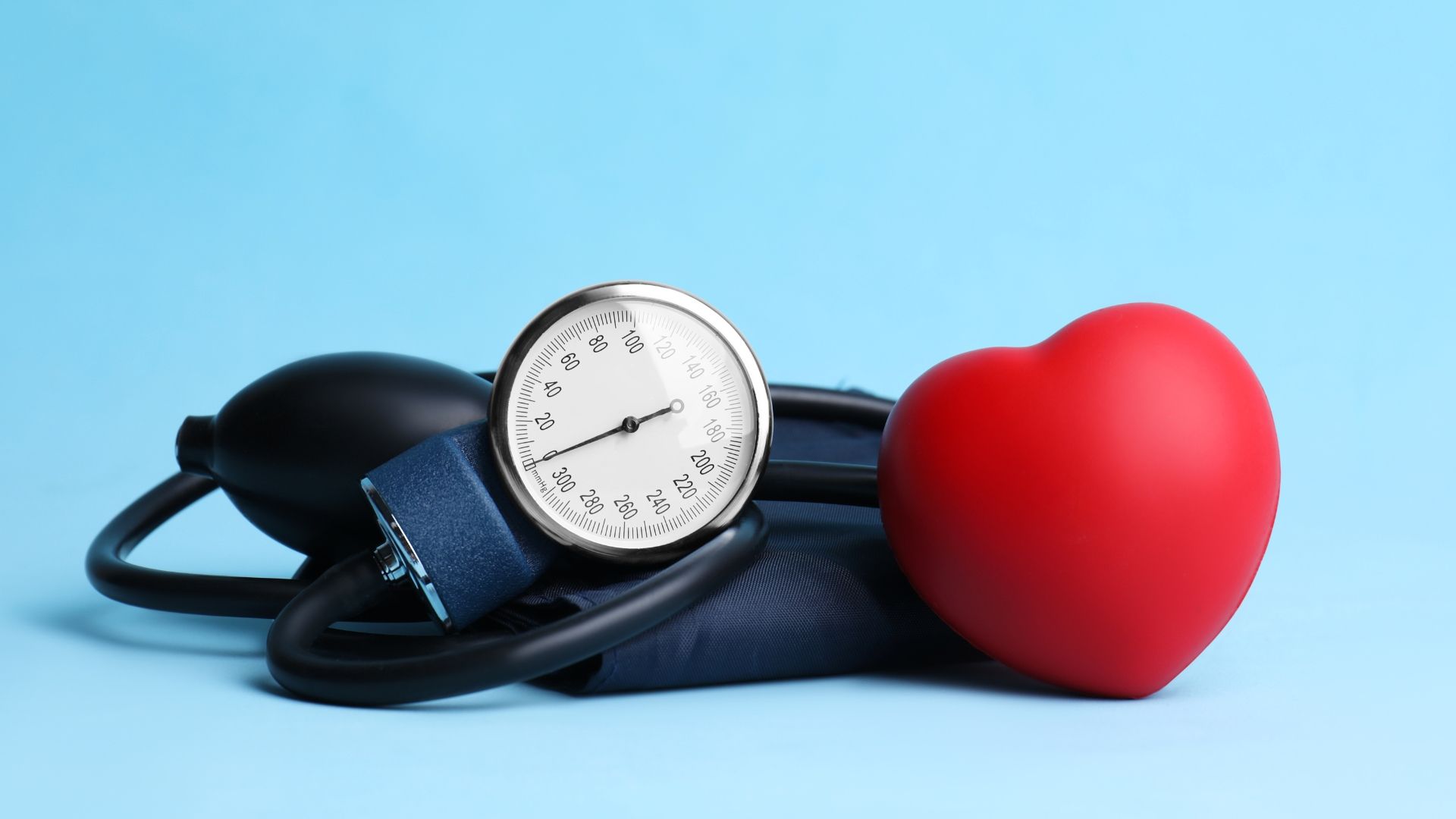
You might know that living with obesity can put you at a greater risk of hypertension (high blood pressure). In turn, this can increase the risk of serious complications like heart attack, stroke and kidney disease.
But what causes this link, exactly? And can losing weight help?
In this guide, we explain the key facts about obesity and hypertension, including:
- What hypertension is
- How obesity causes hypertension
- What you can do to improve your blood pressure
- How SemaPen's weight loss programmes can help
What is hypertension?
Hypertension is the medical term for high blood pressure. This is when the force of the blood pushing against your artery walls is too high, so your heart has to work harder to pump blood.
Think of it like this. Your heart works like a pump, pushing blood through a network of flexible tubes – your arteries – that are designed to stretch a little.
Blood pressure is a measure of how hard the blood is pushing on those artery walls. Normal pressure means the blood is running smoothly. High pressure means blood pushes too forcefully, putting strain on the arteries.
If your blood pressure stays too high for too long, your arteries can become stiffer and less elastic. Other organs also suffer from the added pressure. Combined, these problems increase your risk of heart attacks, strokes and organ failure.
Hypertension is very common – particularly in older people. However, it can be tricky to spot.
What are the symptoms of hypertension?
The danger of hypertension is that it often has few or no symptoms. Some people go for years without realising they have it.
It can show up as headaches, blurred vision or chest pain. The majority of people, however, find out through routine check-ups or medical screenings. Some UK pharmacies offer free blood pressure checks for people over 40.
What increases your risk of hypertension?
Being overweight or living with obesity is a major risk factor for hypertension.
A 2001 study found that a 5% weight gain among participants led to a 20% to 30% increase in the odds of hypertension.¹ Another, from 2020, suggested obesity was responsible for up to 78% cases of primary hypertension (when the condition has no single identifiable cause).²
Other risk factors include:³
- Age – you're more likely to develop hypertension as you get older
- Having a family history of hypertension
- Coming from a South Asian, Black African or Black Caribbean background
- Eating a high-salt diet (or an unhealthy diet, generally)
- Drinking too much alcohol
- Smoking
- Prolonged stress
How does obesity cause hypertension?
As we've learned, hypertension means your blood pressure is too high.
Obesity raises blood pressure because excess body fat – especially around the abdomen – changes how the heart, blood vessels, kidneys and hormones work. These changes make the body hold onto more fluid, tighten blood vessels and force the heart to work harder.
Let's look at some of these changes in a little more detail.
More body tissue makes the heart work harder
Increasing body mass increases the need for nutrients and oxygen. To meet the demand, your heart has to circulate more blood and pump harder, both of which increase blood pressure.
Blood vessels get strained
Obesity is linked to chronic low-level inflammation – another thing that isn't easy to spot. Over time, vessels might get stiffer and less flexible, which can increase resistance against blood as it circulates.
Sleep apnoea puts strain on arteries, too

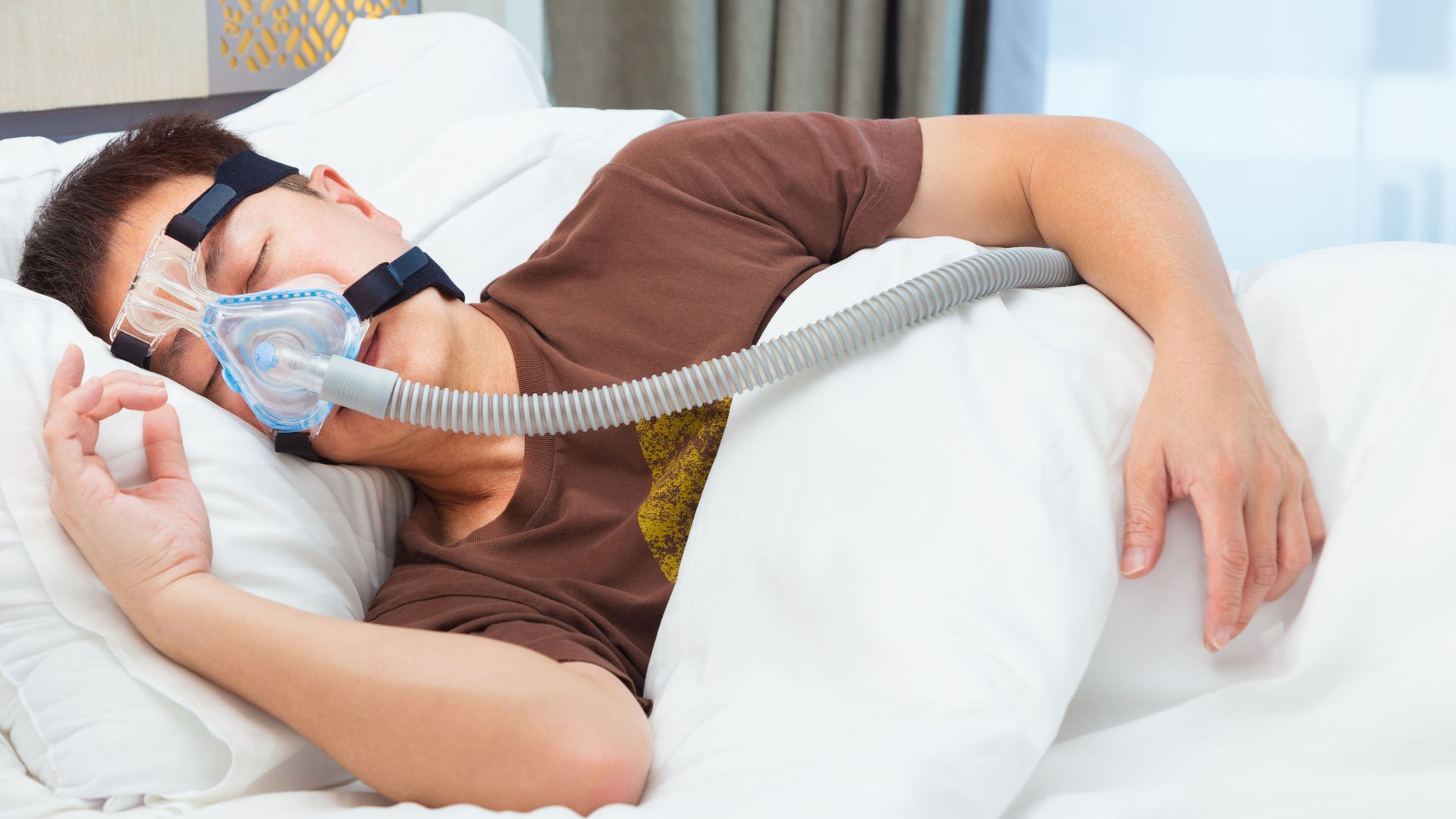
Sleep apnea is a common side effect of obesity. In simple terms, this means a person isn't breathing properly during sleep, which restricts how much oxygen they take in. To counter this, the body must push itself harder during the night to provide the right amount of oxygen to organs and cells.
Kidneys become less effective
The kidneys are responsible for excreting sodium (salt), but they become less effective when a person is carrying excess weight. As a result, the body retains more water, which ends up as fluid in the bloodstream. More blood volume equals higher pressure.
How can I improve my blood pressure?
Being diagnosed with hypertension doesn't mean you're stuck with high blood pressure for life. By making positive lifestyle changes and sticking to them, it's possible to reverse the condition and manage it effectively.
These include:
- Losing weight: if you're overweight or living with obesity, your doctor will likely recommend losing weight through diet and exercise. That's because losing weight is one of the single most effective ways to improve blood pressure. In one study, people who lost weight saw their blood pressure fall by roughly the same amount you'd expect from starting a blood-pressure medication.⁴
- Drinking less alcohol: alcohol is packed full of empty calories, which can get in the way of your weight loss. It also causes inflammation, which will worsen hypertension.
- Managing stress: stress hormones like adrenaline and cortisol cause heart rate spikes, which increase blood pressure. Plus, when we're stressed, we're more likely to use negative coping strategies that are also bad for blood pressure, such as drinking, smoking and overeating.
Blood pressure and weight loss medications
Your doctor might also prescribe medication to help manage your blood pressure. That could include antihypertensives like ramipril, atenolol or amlodipine. These work by causing blood vessels to relax.
Weight loss medications, such as Wegovy and Mounjaro, are another option. These work by mimicking natural hormones involved in hunger and digestion. By making weight loss simpler, these drugs can help you address one of the main root causes of hypertension.
And they're clinically proven to be highly effective. In clinical trials:
- People taking Wegovy for 68 weeks lost an average of 15% of their starting weight⁵
- People taking Mounjaro for 72 weeks
lost an average of 21% of their starting weight⁶
SemaPen: weight loss programmes with expert support built in
Are you worried about hypertension and want medical support to lose weight?
Welcome to SemaPen. We're a trusted UK weight loss clinic that combines cutting-edge obesity treatments with a wraparound programme of tailored, expert support.
When you join our community, our specialists will recommend the best weight loss treatments for you. That could be a weight loss medication, such as Wegovy or Mounjaro. Or it might be our SemaHealth programme – a drug-free option that swaps daily meals for tasty, nutritionally complete soups and shakes.
Along the way, you'll enjoy easy access to our weight loss experts. Plus, you'll unlock a wide range of tools to help you achieve your goals and learn healthy habits. That includes:
- The SemaPen app: an all-in-one daily weight loss manager
- Smart scales, so you can track your weight in the app
- The SemaPen Academy: a unique learning tool packed with diet and lifestyle tips
- A 10-month online fitness programme from Sword Health
Ready to take the next step on your weight loss journey? You can get started today by downloading the SemaPen app and taking our simple digital consultation.
Sources
1. Vasan, R.S. et al. (2001) "Assessment of frequency of progression to hypertension in non-hypertensive participants in the Framingham Heart Study: a cohort study" The Lancet, 358(9294) https://doi.org/10.1016/S0140-6736(01)06710-1
2. Shariq, O.A. & McKenzie, T.J. (2020) "Obesity-related hypertension: a review of pathophysiology, management, and the role of metabolic surgery" Gland Surgery, 9(1) https://doi.org/10.21037/gs.2019.12.03
3. NHS (2024) High blood pressure. Retrieved from https://www.nhs.uk/conditions/high-blood-pressure/
4. Yang, S. et al. (2023) "Effect of weight loss on blood pressure changes in overweight patients: A systematic review and meta‐analysis" The Journal of Clinical Hypertension, 25(5) https://doi.org/10.1111/jch.14661
5. Wilding, J.P.H. et al. (2021) "Once-Weekly Semaglutide in Adults with Overweight or Obesity" The New England Journal of Medicine, 384(11) https://doi.org/10.1056/NEJMoa2032183
6. Jastreboff, A.M. et al. (2022) "Tirzepatide Once Weekly for the Treatment of Obesity" The New England Journal of Medicine, 387(3) https://doi.org/10.1056/NEJMoa2206038
This article was reviewed and approved by Sarah Abdula, Specialist Dietitian, on 3 February 2026.
- Average 15-21% weight loss*
- Tailored programmes built by real experts
- Targeted support to make success feel simpler
- Unique app with weight loss tools and lessons
Your journey starts here
Start your personalised weight loss plan in minutes.
1
Start your online consultation
2
Get approved by our clinical team
3
Begin your programme