
Mounjaro and insomnia: can weight loss injections affect sleep?
Ready to take the next step? See if you're eligible for expert-led weight loss support.
Mounjaro doesn't directly cause insomnia – so why do some users experience disturbed sleep? Let's find out.
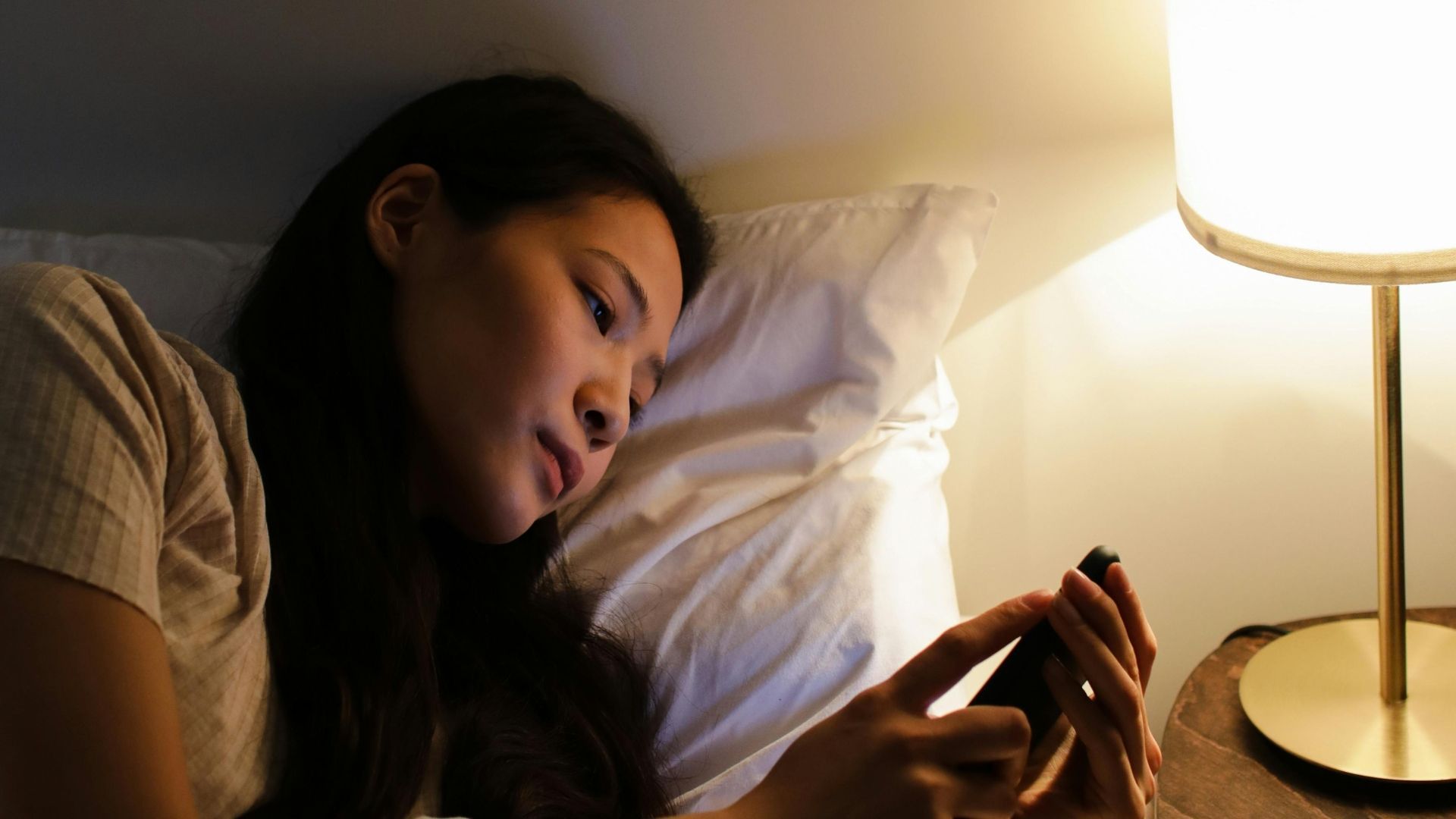
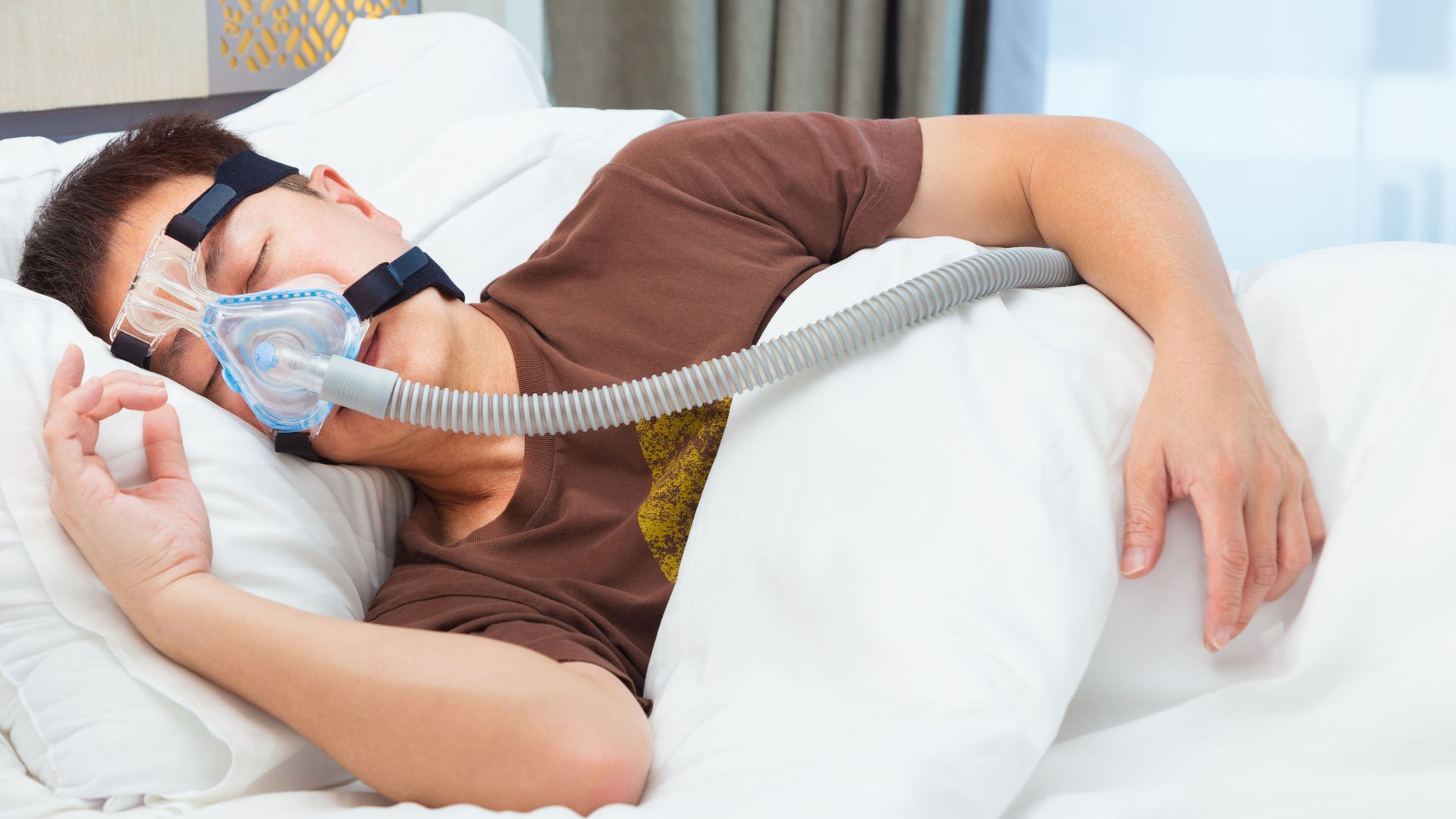
Insomnia is when you have difficulty getting to sleep or can't stay asleep long enough to feel refreshed.
But can injectable drugs for weight loss, such as Mounjaro, cause insomnia?
The answer is no – at least not directly. Weight loss injections have several possible side effects, but there's nothing in the Mounjaro ingredients list that directly affects sleep.
However, you may have seen reports on social media where people complain about sleep disturbances while taking weight loss injections or tablets.
What's going on? Are these people making their symptoms up?
Absolutely not. Here's why.
'Diet pills' and insomnia
Insomnia is a recognised side effect of many of the unregulated appetite suppressants ('diet pills') that are available on high street shelves.
Some contain stimulants similar to amphetamine drugs. These ingredients affect the central nervous system, increasing energy and giving patients a sense of well-being. They can also reduce appetite.
A very common side effect of stimulants is insomnia. So, it's understandable that people might complain about having trouble sleeping if they take these tablets.
What makes Mounjaro different?
Weight loss injections like Mounjaro are part of a class of drugs called 'incretin mimetics'. These work very differently from the stimulant-based 'diet pills':
- They've been tested rigorously in clinical trials before being approved by the MRHA.
- They're only available on prescription from a pharmacist or doctor.
- They do not contain stimulants similar to amphetamine drugs.
Does Mounjaro contain anything linked with insomnia?
Mounjaro contains the active ingredient tirzepatide. This works by mimicking natural hormones in your body, which help regulate blood sugar levels, control food cravings and make you feel full.
In the main tirzepatide clinical trial, insomnia was not reported as a common side effect.¹ Nor does Mounjaro's manufacturer, Eli Lilly, list insomnia as a side effect on its website.
Why do I hear people talk about sleep disturbances while using Mounjaro?
Mounjaro has similar side effects to other injectable weight loss medications like Wegovy – though Mounjaro patients tend to experience fewer side effects than Wegovy users.
The most common side effects are nausea and stomach upsets, including diarrhoea, vomiting and tummy pain.
Any of these could disrupt a person's sleep pattern, especially if experienced in the evening or during the night.
Mounjaro can cause low blood sugar in those with type 2 diabetes if they've taken other medication that also lowers blood sugar. Low blood sugar is linked with anxiety, which can also disrupt sleep.
There are other recognised causes of disrupted sleep that could be contributing:
- Depression: obesity is linked to depression – and sleep disturbance is one of its classic symptoms.
- Diet: caffeine and alcohol have both been shown to interfere with sleep. Fatty or sugary foods are also known to contribute to sleep disturbances.
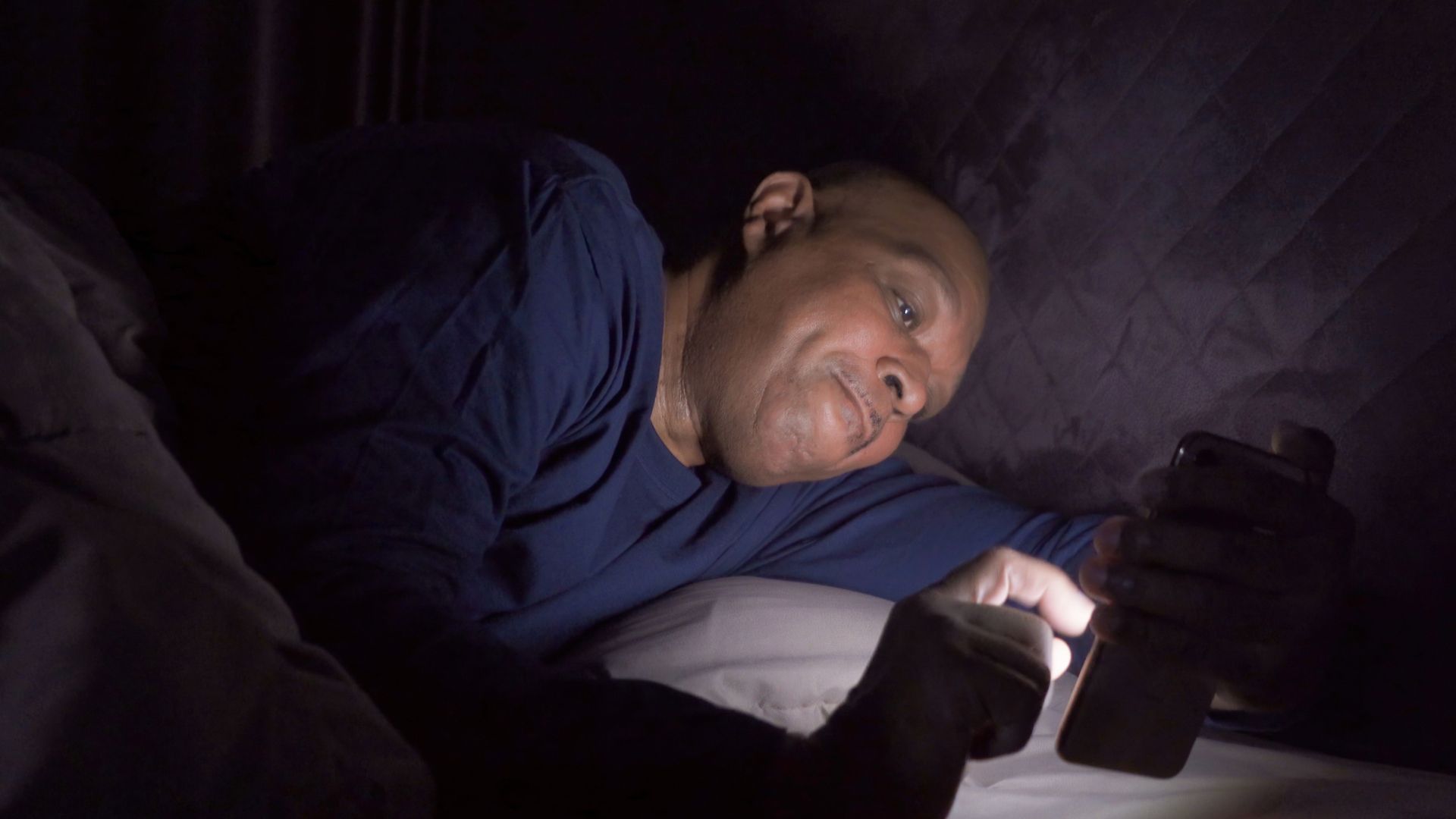
- Bedtime habits: watching TV or scrolling through your phone before switching off the light can disrupt sleep patterns.
- Mental health: stress, anxiety and undiagnosed mental health conditions can all contribute to disturbed sleep.
What should I do if I experience disrupted sleep?
Getting a good night's sleep regularly is crucial to our physical, mental and emotional health. If you start to experience disrupted sleep while you're on a Mounjaro weight loss program, let your healthcare team know.
At SemaPen, our medical team is here for you and is ready to provide advice and encouragement whenever you need it.
You could also try these tips if your insomnia is persistent:
- Have a regular sleep schedule: try to go to bed and wake up at regular times.
- Have a relaxed bedtime routine: enjoy some relaxing activities before bed, such as reading, listening to sleep stories and podcasts or taking a warm bath.
- Pay attention to diet and exercise: avoid caffeine, alcohol and sugary or fatty foods before bedtime and do some form of physical activity every day.
- Get help for anxiety: talk to your GP about your options. You can also contact Anxiety UK for advice and support.
Sources
1. Jastreboff, A.M. et al. (2022) "Tirzepatide Once Weekly for the Treatment of Obesity" New England Journal of Medicine, 387(3) https://doi.org/10.1056/NEJMoa2206038
2. García, A.G.G. et al. (2023) "Anxiety Constitutes an Early Sign of Acute Hypoglycemia" Neuropsychobiology, 82(1)
https://doi.org/10.1159/000528351
3. Patsalos, P. et al. (2021) "Diet, Obesity, and Depression: A Systematic Review" Journal of Personalized Medicine, 11(3)
https://doi.org/10.3390/jpm11030176
- Average 15-21% weight loss*
- Tailored programmes built by real experts
- Targeted support to make success feel simpler
- Unique app with weight loss tools and lessons
Your journey starts here
Start your personalised weight loss plan in minutes.
1
Start your online consultation
2
Get approved by our clinical team
3
Begin your programme