

Mounjaro for metabolic syndrome: can it help manage MetS?
Ready to take the next step? See if you're eligible for expert-led weight loss support.
Metabolic syndrome is a cluster of conditions that can lead to complications like type 2 diabetes. Could Mounjaro help treat it? Let's find out.

If you're familiar with Mounjaro, you probably know all about its weight loss effects. When taken as part of a specialist support programme, this injectable medication yields an average weight loss of around 21%.¹
However, weight loss might only be the start. Researchers are also studying Mounjaro as a possible treatment for all sorts of conditions – including metabolic syndrome (MetS).
But what is metabolic syndrome, exactly? And what does the data show about Mounjaro's potential as a treatment?
Let's dig into the facts.
What is metabolic syndrome?
Metabolic syndrome isn't a single medical condition. It's a cluster of conditions that, together, increase the risk of developing serious health issues like type 2 diabetes and heart problems.
These conditions are:
- Abdominal obesity: having excess fat around the waist (a 'beer belly').
- High fasting blood sugar: also known as 'hyperglycaemia', this is when a person has higher-than-normal levels of glucose in their blood. It's linked to insulin resistance, which is when the body stops responding well to insulin – a key hormone for blood sugar management.
- High blood pressure, or 'hypertension' – when the pressure in the arteries is too high, and the heart has to work harder to pump blood.
- High triglycerides: triglycerides are a type of fat stored in the blood. They're our main source of stored energy from food, but having too much can lead to health problems like heart disease and pancreatitis.
- Low HDL cholesterol:
you might have heard this referred to as 'good cholesterol'. It helps the body 'clean up' excess cholesterol from arteries and tissues.
Doctors look for three or more of these conditions when diagnosing metabolic syndrome. However, having even one can put you at greater risk.
Metabolic syndrome is very common. It's estimated to affect around one in four adults in the UK.²
What causes metabolic syndrome?
We don't know exactly what causes metabolic syndrome.³ It's likely a mix of:
- Lifestyle factors (such as diet and activity levels)
- Genetic factors (being born with a tendency to develop metabolic syndrome)
- Environmental factors (the places we live and the food we have access to, among other things)
However, we
do know that certain things
increase the risk
of developing metabolic syndrome. These are called 'risk factors', and include:
- Living with obesity (having a BMI of 30 or more)
- Low levels of physical activity
- Eating a diet high in saturated fat
- Smoking
- Drinking lots of alcohol
- Age (you're more likely to develop the syndrome as you get older)
People of certain ethnic backgrounds are more at risk of developing metabolic syndrome, too. That includes people from South Asian and Hispanic backgrounds.
Symptoms of metabolic syndrome

Metabolic syndrome often has no obvious symptoms. You might not know you have it until you visit your GP for a checkup.
Your doctor will look for signs of the conditions that make up MetS, including high blood pressure, high triglycerides and abdominal obesity.
You might also notice physical symptoms – though this is far from guaranteed. Physical symptoms, if they do occur, can include:
- Feeling tired
- Feeling thirstier than usual
- Having blurred vision
If you notice any of these symptoms or think you might have metabolic syndrome, book an appointment with your doctor. They can run tests and recommend the best course of treatment for you.
How is metabolic syndrome treated?
Losing weight is one of the most effective ways to treat metabolic syndrome.
Doctors often recommend lifestyle changes to help with weight loss and improve cholesterol levels. These changes usually involve improving your diet and increasing physical activity.
Sometimes, doctors also prescribe medication to manage some of the risk factors of metabolic syndrome. These can include:
- ACE inhibitors (for blood pressure)
- Statins (for cholesterol)
- Weight loss injections, such as Mounjaro (for weight management and blood sugar control)
How might Mounjaro help treat metabolic syndrome?
Mounjaro can certainly benefit metabolic syndrome by aiding weight loss.
Right now, Mounjaro is the most effective weight loss medication available in the UK. Taken once weekly alongside a healthy diet and regular exercise, it leads to an average weight loss of 21%.¹
We also know that Mounjaro can help manage blood sugar levels. In fact, Mounjaro was first developed as a blood sugar medication for people living with type 2 diabetes.
In its phase 3 diabetes trial, Mounjaro 'showed robust improvements in [blood sugar] control… without increased risk of [low blood sugar]'.⁴
Results like these show that Mounjaro is effective at treating some of the conditions that make up metabolic syndrome. But we can dig deeper – because researchers have also looked at Mounjaro's effects on metabolic syndrome as a whole.
Let's take a quick look at a couple of these studies.
Study one: Mounjaro leads to 'significantly greater' reductions in metabolic syndrome
This study was a post-hoc analysis of the results from Mounjaro's main type 2 diabetes trials. In other words, researchers looked back at the trial data to try to learn something new.
Specifically, they were looking for evidence that Mounjaro might have reduced the number of patients who showed signs of MetS.
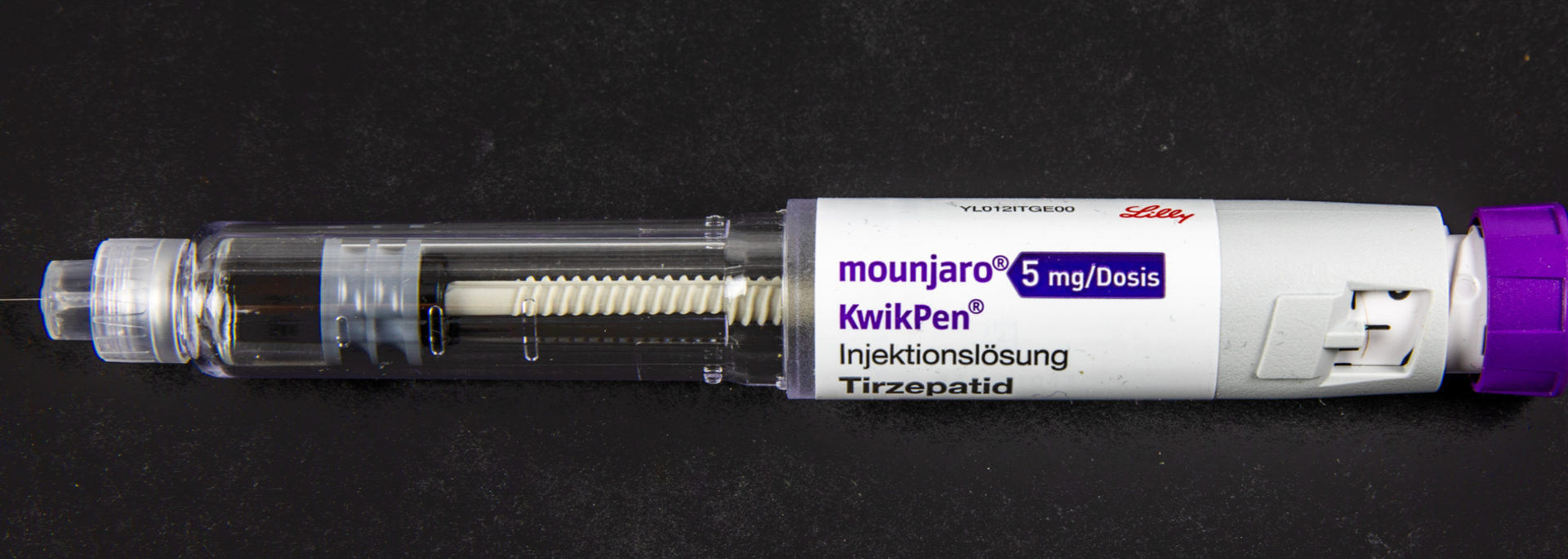
They found that treatment with Mounjaro led to 'significantly greater' reductions in patients who met the criteria for metabolic syndrome compared to other treatments. That included semaglutide (Wegovy), as well as two common insulin treatments.⁵
Study two: Mounjaro reduces the odds of metabolic syndrome by 72%
This study was a meta-analysis – it looked at data from several trials to draw new conclusions.
The researchers wanted to see whether Mounjaro reduced a variety of risk factors related to metabolic syndrome. By studying the trial data, they found that Mounjaro:⁶
- Reduced the odds of low HDL ('good') cholesterol by 34%
- Reduced the odds of elevated BMI (obesity) by 96%
- Reduced the odds of metabolic syndrome as a whole by 72%
Can I get a Mounjaro prescription for metabolic syndrome?
These results suggest that Mounjaro is an effective treatment for metabolic syndrome. They don't tell us why – only that it benefits several risk factors and that people taking Mounjaro are less likely to show signs of MetS.
Weight loss is likely the biggest contributor to these improvements. But there might be other factors at play, too.
It's important to keep in mind that these were retrospective studies. They looked at data from other studies that weren't specifically designed to test Mounjaro's effects on metabolic syndrome.
That's one reason why Mounjaro isn't currently licensed in the UK as a treatment for MetS. That means you
can't get a prescription for Mounjaro specifically to treat metabolic syndrome.
However, if you're living with obesity, you are eligible to get Mounjaro on private prescription as a weight loss treatment. And, as we've seen, weight loss is one of the most effective ways to treat MetS.
For most people, that means having a BMI of 30 or more. However, the BMI cutoff is reduced to 27.5 or more for those with certain obesity-related health conditions. That includes high blood pressure – one of the main warning signs for metabolic syndrome.
Get expert, wraparound support with SemaPen
Are you considering losing weight with Mounjaro? SemaPen's Mounjaro programme is led by UK obesity experts and includes specialist support to help you lose weight safely and learn healthy lifelong habits.
And it's easy to find out if you're eligible. When you download the SemaPen app and take our digital consultation, we'll let you know right away whether Mounjaro is right for you. If not, we'll recommend other treatment options that can help you achieve your weight loss goals.
Sources
1. Jastreboff, A.M. et al. (2022) "Tirzepatide Once Weekly for the Treatment of Obesity" The New England Journal of Medicine, 387(3) https://doi.org/10.1056/NEJMoa2206038
2. Heart UK (n.d.) Metabolic syndrome. Retrieved from https://www.heartuk.org.uk/genetic-conditions/metabolic-syndrome
3. NHS (2023) Metabolic syndrome. Retrieved from https://www.nhs.uk/conditions/metabolic-syndrome/
4. Rosenstock, J. et al. (2021) "Efficacy and safety of a novel dual GIP and GLP-1 receptor agonist tirzepatide in patients with type 2 diabetes (SURPASS-1): a double-blind, randomised, phase 3 trial" The Lancet, 398(10295) https://doi.org/10.1016/S0140-6736(21)01324-6
5. Nicholls, S.J. et al. (2024) "Reduction of prevalence of patients meeting the criteria for metabolic syndrome with tirzepatide: a post hoc analysis from the SURPASS Clinical Trial Program"
Cardiovascular Diabetology, 23(1)
https://doi.org/10.1186/s12933-024-02147-9
6. Aminorroaya, A. et al. (2025) "Effects of Tirzepatide in Type 2 Diabetes: Individual Variation and Relationship to Cardiometabolic Outcomes"
JACC, 85(19)
https://doi.org/10.1016/j.jacc.2025.03.516
This article was reviewed and approved by Sarah Abdula, Specialist Dietitian, on 28 January 2026.
- Average 15-21% weight loss*
- Tailored programmes built by real experts
- Targeted support to make success feel simpler
- Unique app with weight loss tools and lessons
Your journey starts here
Start your personalised weight loss plan in minutes.
1
Start your online consultation
2
Get approved by our clinical team
3
Begin your programme