
Nutrition guide: what is protein and how much do I need?
Ready to take the next step? See if you're eligible for expert-led weight loss support.
Want to improve your diet? Learn what protein is, how much you need and how good nutrition supports healthy weight loss.

If you're embarking on a health and fitness journey, you're bound to come across lots of information about protein. That's because protein is really important. It's one of the three main macronutrients our bodies need to function (the other two are carbohydrates and fats).
But what exactly is protein? Why does it matter so much for health and weight loss? And how do you figure out how much you actually need?
This guide explains the basics of protein intake. It includes plenty of practical advice you can use, whether you're trying to improve your diet, build strength, lose body fat or all three.
What is protein?
Protein is a nutrient made up of building blocks called 'amino acids'.
Think of protein as a kind of construction material. Your body uses it to:
- Build and repair muscle
- Support your immune system
- Produce hormones and enzymes
- Help maintain healthy hair, skin and nails
- Keep you feeling full after meals
Unlike carbohydrates and fats, your body does not store large amounts of protein. That means you need to eat it regularly, because your body uses it up quickly.
Why is protein important for weight loss?
Protein plays a key role in healthy, sustainable weight loss. Here's why.
1. It helps you feel fuller for longer
Protein slows digestion and increases feelings of fullness. This can naturally reduce the urge to snack and overeat.
For people using a weight loss medication like Wegovy (semaglutide) or Mounjaro (tirzepatide), appetite is already reduced. This means eating enough protein becomes even more important because you'll likely eat smaller portions, and those portions still need to meet your nutritional needs.
2. It helps preserve muscle
When you lose weight, you don't just lose body fat. You can also lose muscle.
Eating adequate protein helps protect muscle mass during weight loss. This is important because muscle supports metabolism, strength and long-term health.
3. It supports steady blood sugar
Protein slows the absorption of carbohydrates, which can help reduce blood sugar spikes and crashes. Stable blood sugar can reduce energy dips and cravings.
How much protein do I need per day?
Here's where it gets technical. The amount of protein you need depends on your weight, age and activity level.
In the UK, general guidance says adults need 0.75 grams of protein per kilogram of body weight per day.¹
This is a simple calculation – just multiply your body weight in kilograms by 0.75. For example:
| Let's say you weigh 68 kilograms |
|---|
| 68 × 0.75 = 51 |
| You should be aiming to eat 51 grams of protein per day |
However, many experts suggest that people trying to lose weight or preserve muscle may benefit from slightly higher amounts. That often works out to around 1.2 to 1.6 grams per kilogram of body weight per day.
This can help maintain muscle during calorie reduction.
If you are living with obesity and actively losing weight, a healthcare professional can help tailor this range to your needs.
What does 100 grams of protein look like?
It can be hard to picture protein in grams. Here are some rough examples:
- 🍗 1 medium chicken breast = 30 grams
- 🥚 2 eggs = 12 grams
- 🐟 1 tin of tuna in water = 25 grams
- 🥣 200g Greek yoghurt = 20 grams
- 🥡 100g tofu = 12 grams
- 🍛 1 cup cooked lentils = 18 grams
You don't need to get all your protein from one source. Ideally, you should spread it across your three daily meals, with each containing about 15 grams to 20 grams of protein.
What are the best sources of protein?
Both animal and plant-based foods can be excellent sources of protein.
Animal-based sources
- Chicken and turkey
- Lean beef
- Fish, such as salmon, cod and tuna
- Eggs
- Milk, yoghurt and cheese
These are all complete proteins, meaning they contain all nine essential amino acids your body cannot make on its own.
Plant-based sources
- Lentils
- Chickpeas
- Beans
- Tofu and tempeh
- Quinoa
- Nuts and seeds
While plant proteins can often lack one or more essential amino acids, this is easily solved by eating a variety of these sources across the day.
Is it possible to eat too much protein?
For most healthy people, eating moderately higher amounts of protein is safe.
However, extremely high protein diets are not necessary for weight loss and may not be suitable for everyone, especially for people with certain kidney conditions.
Balance is important. Protein should form part of a varied diet that also includes:
- Fibre-rich carbohydrates
- Healthy fats
- Fruits and vegetables
- Good hydration
If you're unsure about the right intake for you, speak to a healthcare professional. Semapen subscribers can get in touch with our support team via WhatsApp or the Semapen app.
Should I eat protein at every meal?
Ideally, yes. Including protein at each meal can help:
- Maintain fullness
- Reduce cravings
- Support muscle retention
Here's an example of what a good spread of protein sources could look like in a day:
| Breakfast | Greek yoghurt topped with berries and nuts |
|---|---|
| Lunch | Chicken or tofu salad with mixed vegetables |
| Dinner | Grilled fish with lentils and greens |
Even small additions, such as adding seeds to porridge or beans to soup, can boost your protein intake without dramatically increasing calories.
What about protein supplements?
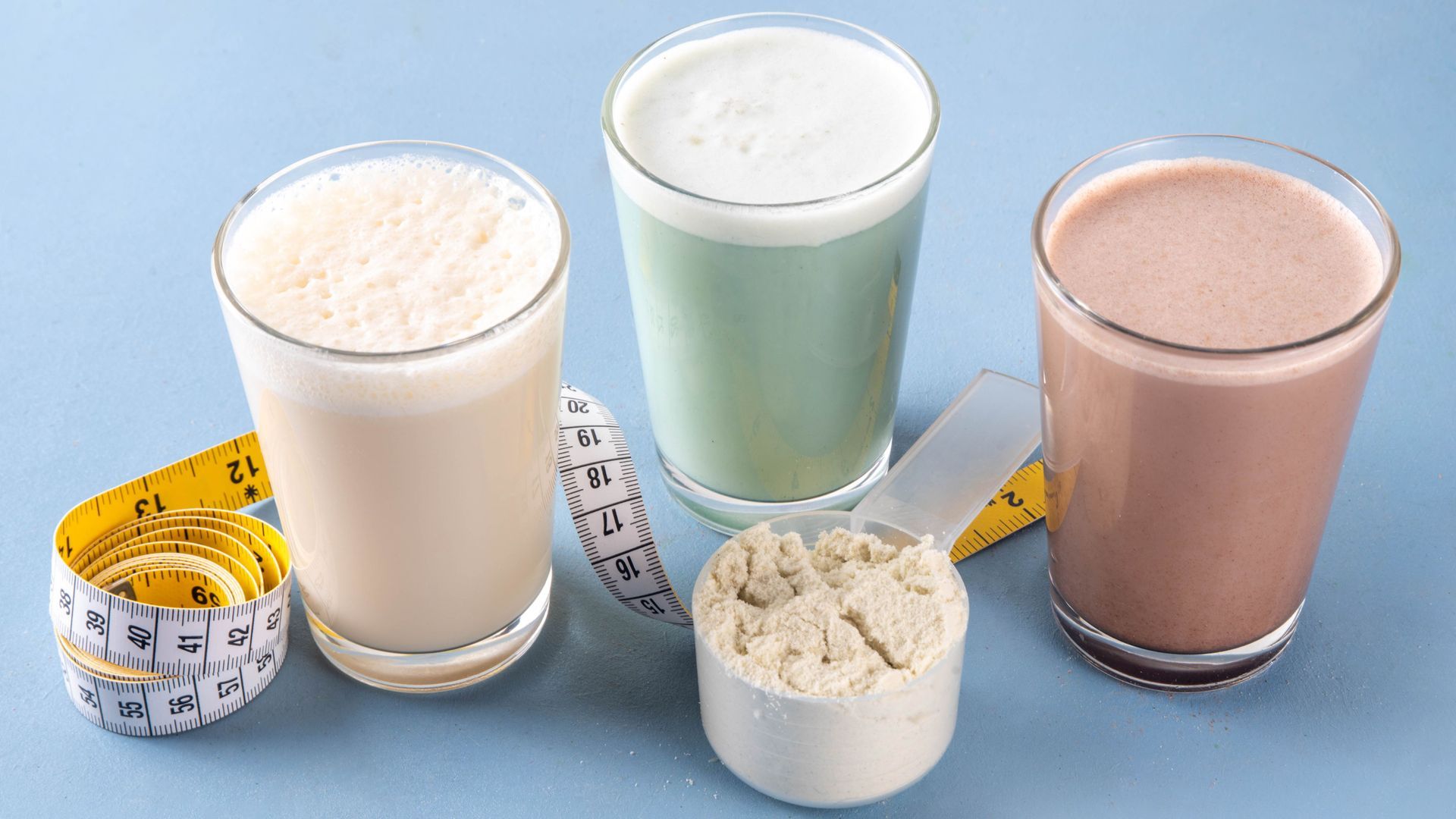
Protein powders and shakes can be convenient, especially if your appetite is reduced.
For people taking injectable weight loss medications like Wegovy or Mounjaro, portion sizes may naturally shrink. If you're struggling to eat enough protein from food alone, a supplement may help.
However, whole foods should usually be your first priority. They provide essential fibre, vitamins and minerals alongside the protein.
Think of supplements as exactly that – supplementary. They're not a replacement for real nutrition.
Protein and medically supported weight loss
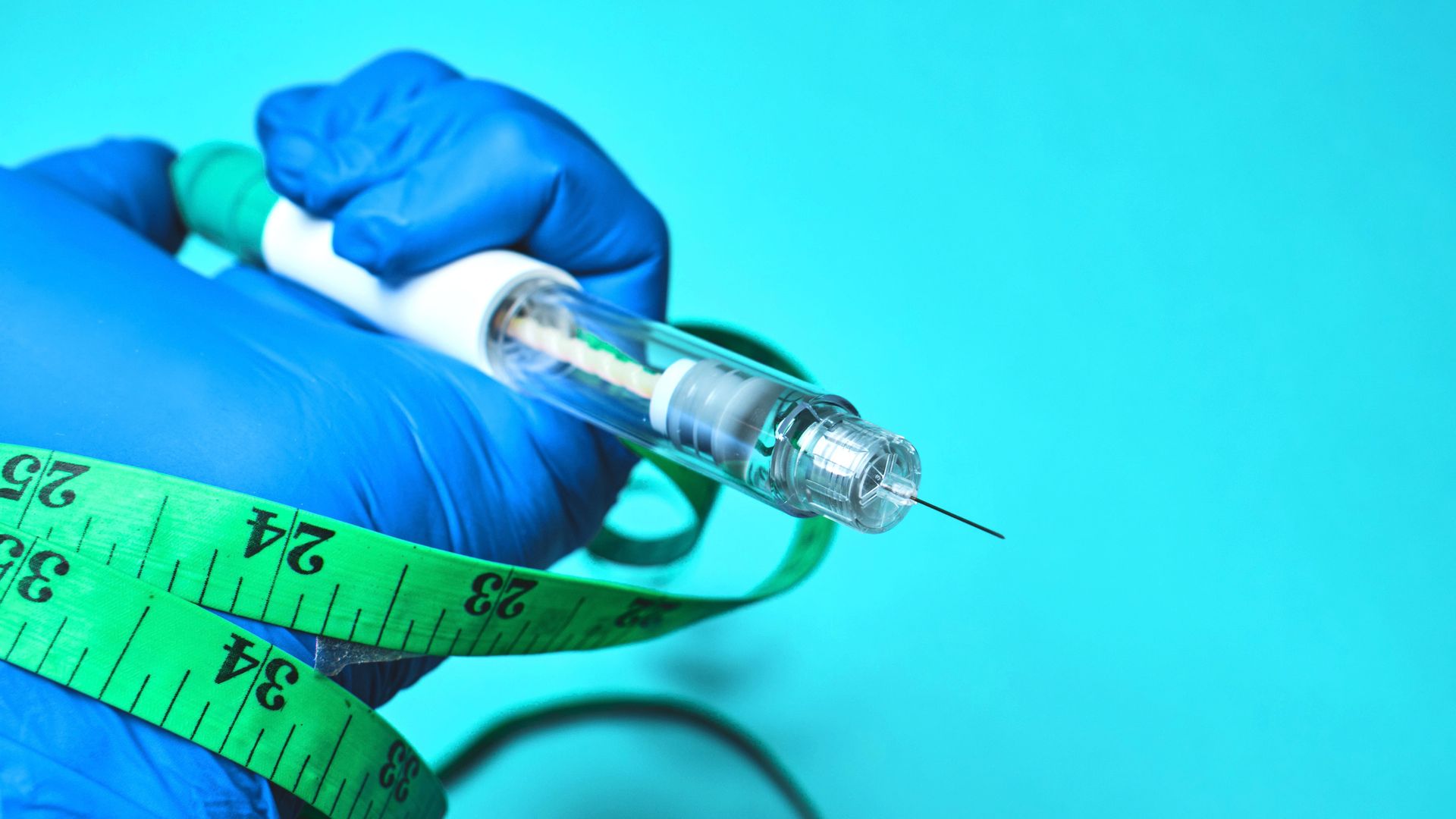
Medications such as Mounjaro and Wegovy work by slowing digestion, increasing feelings of fullness and helping regulate appetite.
Despite what some headlines say, they do not 'melt away fat'. Weight loss still happens because you eat fewer calories over time.
That makes nutrition even more important.
If appetite is reduced, every bite counts. Prioritising protein can help protect muscle, maintain energy and support long-term success.
At Semapen, our weight loss programmes are designed by dietitians and obesity experts who understand the importance of balanced nutrition alongside medication. Our subscribers have access to expert support through our app, including guidance if weight loss is too fast or too slow.
That's because we know the medication works best when combined with expert support and informed food choices.
The key takeaways
- Protein is essential for muscle, immunity and overall health.
- It helps you feel full and supports healthy weight loss.
- Most adults need at least 0.75 grams per kilogram of body weight per day.
- People who are losing weight may benefit from slightly higher protein intake.
- Protein should come from a mix of whole food sources where possible.
You don't need to follow extreme diets or eliminate entire food groups. Far from it – small, consistent improvements, including adequate protein, can make a meaningful difference over time.
If you are considering medically supported weight loss, building a strong nutritional foundation is one of the most powerful steps you can take.
Are you interested in losing weight with specialist diet support? Semapen is an online weight loss clinic led by an expert team of dietitians, doctors, psychologists and nurses. Explore our weight loss treatments today to learn how our expertise can support your success.
Sources
1. British Nutrition Foundation (2023) Protein. Retrieved from https://www.nutrition.org.uk/nutritional-information/protein/
This article was reviewed and approved by Lujain Alhassan, Bariatric Nutritionist, on 28 February 2026.
- Average 15-21% weight loss*
- Tailored programmes built by real experts
- Targeted support to make success feel simpler
- Unique app with weight loss tools and lessons
Your journey starts here
Start your personalised weight loss plan in minutes.
1
Start your online consultation
2
Get approved by our clinical team
3
Begin your programme