
Persistent cough and weight loss medications: is there a link?
Ready to take the next step? See if you're eligible for expert-led weight loss support.
A 2025 study found that GLP-1 users are at greater risk of chronic cough. However, that doesn't mean one causes the other. Learn why.

The potential side effects of GLP-1 drugs, such as Wegovy and Mounjaro, are well-documented. If patients experience side effects, they're most likely to experience mild to moderate gastrointestinal (stomach) issues, such as nausea, diarrhoea, constipation and vomiting.¹ ²
Our knowledge of these side effects is based on clinical trials involving thousands of participants.³ ⁴ However, that doesn't mean researchers have accounted for every possible complication. Often, when medications start being used by the general public, new side effects come to light.
Case in point: chronic cough.
GLP-1s and chronic cough: the evidence
Many GLP-1 users have noted coughing symptoms. One Reddit user, for instance,
reported an extended period of
burping
after using Victoza (liraglutide). 'When that stops,' they wrote, 'I've got a sore throat and a bit of a cough. This won't go away!'
Meanwhile, one Mounjaro patient
reported
a worsening cough after previously being diagnosed with gastro-oesophageal reflux disease (GORD). '…My cough got worse, especially at night, and [I'm] starting to have post-nasal drip where I'm clearing my throat every two to three minutes, it seems.'
A study published late last year appears to bear out this anecdotal evidence. Researchers found that patients who use GLP-1s are at greater risk of developing chronic cough.⁵
Case closed, then? Not quite. A key question remains: are GLP-1 medications
directly
responsible for cough symptoms, or are other factors at play?
Let's look at the study in a little more detail, then explore what those other factors might be.
What the study found
For the study, researchers examined medical records for more than 427,000 patients in the US. Specifically, they looked at patients who:⁵
- Were prescribed GLP-1 medications, such as semaglutide (Wegovy) and tirzepatide (Mounjaro)
- Were prescribed another type 2 diabetes medication, such as 'gliptins', SGLT2 inhibitors or sulfonylureas
The study authors wanted to learn whether the GLP-1 group was at greater risk of developing chronic cough. They found that:⁵
- GLP-1 users were significantly more likely to develop a new chronic cough compared to the non-GLP-1 group.
- This increased risk existed even among those not previously diagnosed with GORD, a common cause of chronic cough for people living with obesity.
Why we still can't be sure there's a link
At first glance, this study may seem conclusive. GLP-1 users are more at risk of chronic cough, therefore GLP-1s cause chronic cough – right?
The truth is that it's not quite that simple. Several factors could be at play, including:
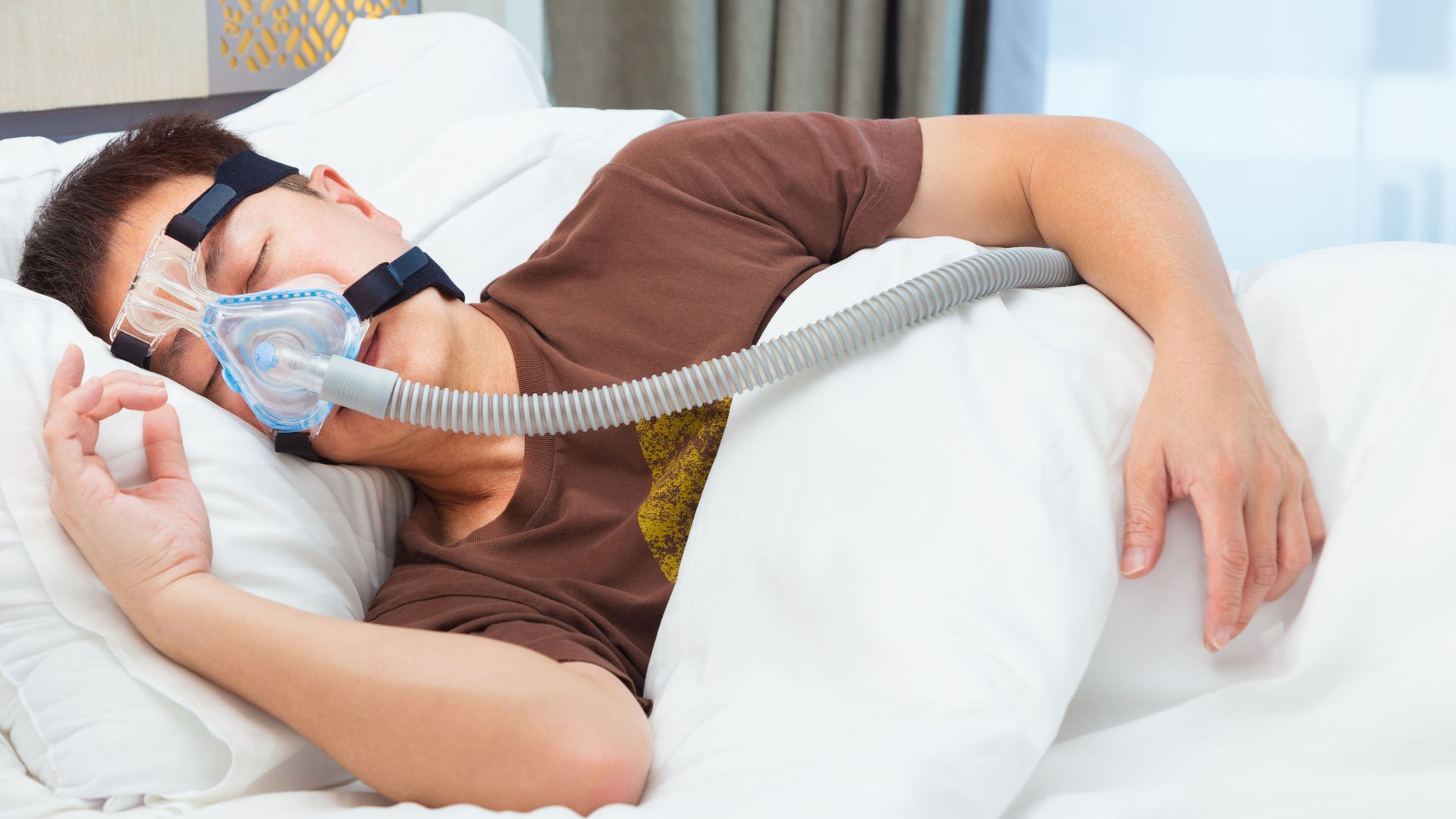
- Existing conditions: people taking GLP-1s may be at increased risk of conditions that can make coughs worse, such as asthma and sleep apnea.
- Other medications: some drugs, such as certain blood pressure medications, can cause a chronic cough. If patients take these drugs alongside GLP-1s, that could help explain the increased risk.
All this means that we can't yet identify a direct causal link between GLP-1s and chronic cough. In other words, it seems that GLP-1 users are more
at risk
of cough – but that doesn't mean GLP-1s
cause
the cough.
As one expert
told Medscape, "Primary care clinicians should view these findings as a reminder to expand their differential diagnosis when evaluating persistent cough, but understand that this is currently a correlation."⁶
In plain language, this is a reminder to keep an open mind. Doctors should be aware that there may be a link between GLP-1s and chronic cough, but should also consider other factors when diagnosing patients.
As it stands, a chronic cough should rarely mean stopping GLP-1 treatment, unless it's very severe. However, if you do experience a persistent cough on GLP-1s, be sure to inform your healthcare team so they can make recommendations and rule out other factors.
Founded by Professor David Kerrigan, former president of the British Obesity & Metabolic Specialist Society, Semapen is a UK provider of expert-led weight loss treatments. For more news and advice,
follow our blog.
Sources
1. Novo Nordisk (n.d.) WHAT YOU MIGHT EXPECT WITH WEGOVY®. Wegovy.com. Retrieved from
https://www.wegovy.com/obesity/is-wegovy-right-for-me/safety-side-effects.html
2. Eli Lilly & Company (n.d.) How to use Mounjaro. Lilly.com. Retrieved from https://mounjaro.lilly.com/how-to-use-mounjaro
3. Jastreboff, A.M. et al. (2022) "Tirzepatide Once Weekly for the Treatment of Obesity" The New England Journal of Medicine, 387(3) https://doi.org/10.1056/NEJMoa2206038
4. Wilding, J.P.H. et al. (2021) "Once-Weekly Semaglutide in Adults with Overweight or Obesity" The New England Journal of Medicine, 384(11) https://doi.org/10.1056/NEJMoa2032183
5. Gallagher, J. et al. (2026) "Glucagon-Like Peptide-1 Receptor Agonists and Chronic Cough" JAMA Otolaryngology–Head & Neck Surgery, 152(2) https://doi.org/10.1001/jamaoto.2025.4181
6. Peck, J. (2026) Chronic Cough in Patients Taking GLP-1s: What Primary Care Clinicians Should Know. Medscape. Retrieved from
https://www.medscape.com/viewarticle/chronic-cough-patients-taking-glp-1s-what-primary-care-2026a10005tb
This article was reviewed and approved by Lujain Alhassan, Bariatric Nutritionist, on 3 April 2026.
- Average 15-21% weight loss*
- Tailored programmes built by real experts
- Targeted support to make success feel simpler
- Unique app with weight loss tools and lessons
Your journey starts here
Start your personalised weight loss plan in minutes.
1
Start your online consultation
2
Get approved by our clinical team
3
Begin your programme