
Foods to avoid on Mounjaro and Wegovy
Ready to take the next step? See if you're eligible for expert-led weight loss support.
Learn what foods to avoid and what to focus on with Mounjaro and Wegovy, including tips to support safe, sustainable results.
Glucagon-like peptide-1 (GLP-1) medications such as
Wegovy (semaglutide) and
Mounjaro
(tirzepatide) are increasingly used to support weight loss in people living with obesity.
These treatments work by reducing appetite, helping you feel fuller for longer, and making it easier to maintain a calorie deficit. When combined with balanced nutrition and lifestyle changes, they can lead to significant, sustained weight loss.
In clinical trials:
- Tirzepatide users lost an average of 21% of their starting body weight over 72 weeks1
- Semaglutide users lost an average of 15% over 68 weeks²
The most important thing to understand in terms of nutrition is that these medications don't 'melt away fat'. Instead, they can support weight loss by making it easier to consistently eat less over time.
So, while they can impact how much you eat, they don't fundamentally change what your body needs.
A healthy, balanced diet remains essential to your overall physical health and wellbeing and is key to making sure the treatment works effectively. That means eating sensible portions made up of the right amounts of each key food group.
There are some foods, however, that are best avoided, particularly in the early stage of treatment. Excluding these from your diet could help minimise
side effects.
Why some foods cause discomfort on GLP-1 medications
Both semaglutide and tirzepatide slow gastric emptying. That means food stays in the stomach for longer.
This is part of what helps you feel full, but it can also increase the likelihood of a few uncomfortable side effects, such as:
- Nausea
- Bloating
- Acid reflux
- Vomiting
- Constipation or diarrhoea
Eating large portions or certain types of foods can make these symptoms more noticeable. Making small dietary adjustments can help improve comfort while your body adapts.
What foods and eating habits to avoid
1. Large portion sizes
One of the most important changes you can make when starting Mounjaro or Wegovy is reducing portion sizes.
Because digestion is slower, eating too much in one sitting can lead to feeling uncomfortably full. It can even cause nausea or vomiting.
You may find that you feel satisfied with much smaller amounts of food than before. Eating slowly and stopping when you feel comfortably full can help prevent discomfort.
2. High-fat foods
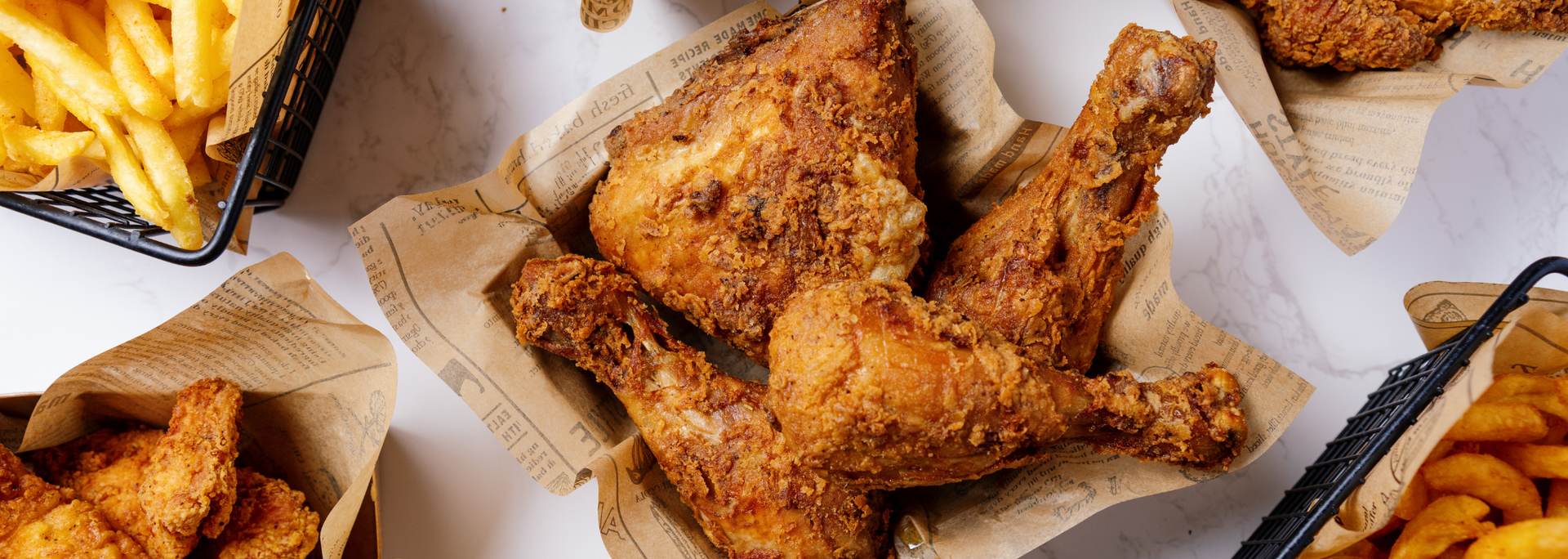
Fatty foods tend to take longer to digest, which can worsen side effects when combined with GLP-1 medications.
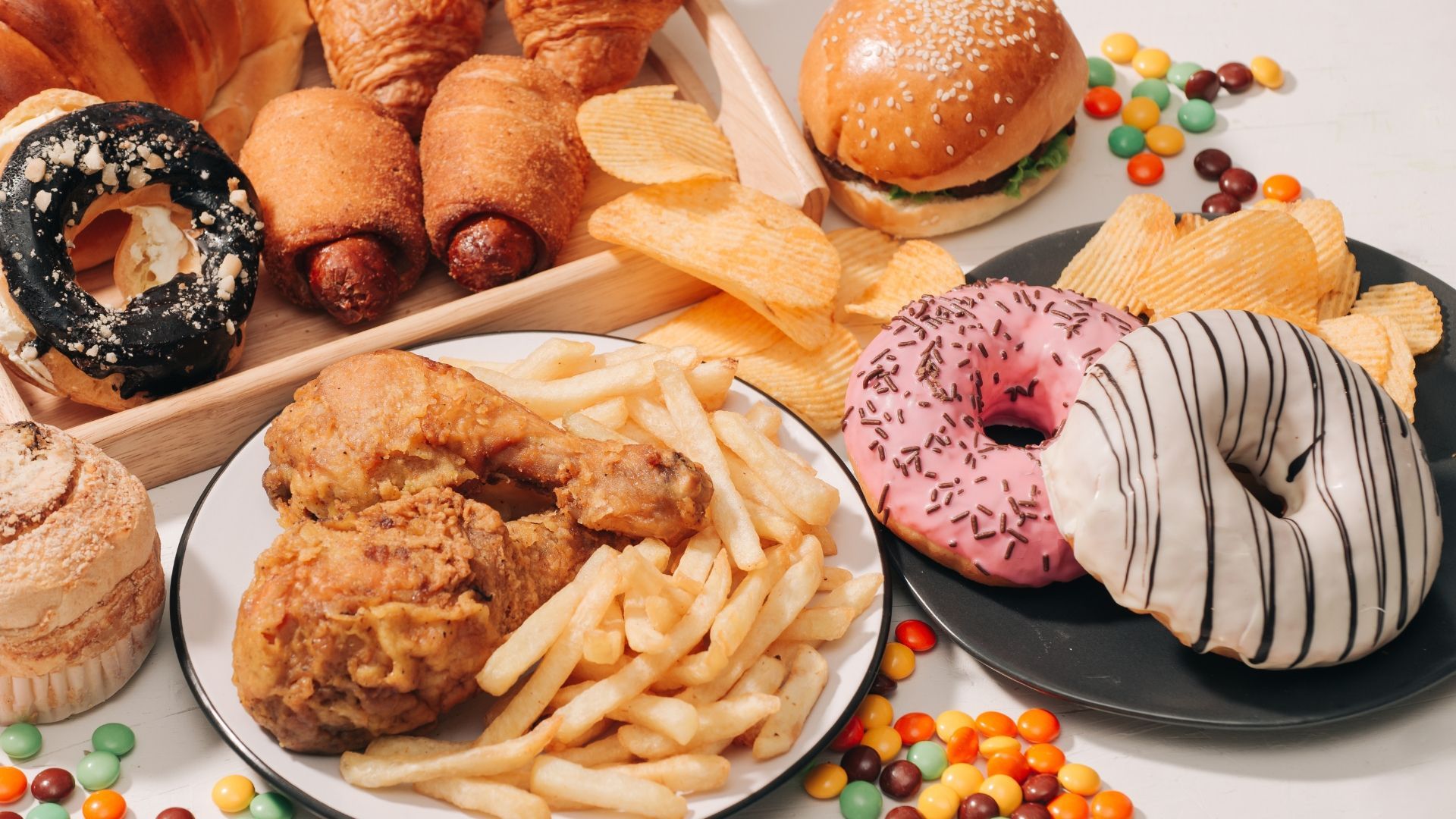
Examples of foods to limit or avoid completely include:
- Fried foods such as chips or fried chicken
- Takeaways and other fast food
- Creamy sauces and rich desserts
This doesn't mean you should avoid fat entirely. Healthy fats, such as those found in olive oil, nuts, seeds and oily fish, are still an important part of a balanced diet. The key is to eat these in moderation, as large amounts may still trigger nausea or feelings of heaviness.
3. Very spicy foods
Spicy foods can irritate the digestive system and may worsen symptoms like nausea and acid reflux.
Not everyone will be affected in the same way, but if you start to notice discomfort after eating spicy meals, it may help to:
- Choose milder options
- Avoid very spicy foods during dose increases
- Reintroduce them gradually once your symptoms settle
4. Highly processed and sugary foods
Processed foods, particularly those high in refined sugar, don't directly interfere with how GLP-1 medications work. However, they can make it harder to maintain steady energy levels and good nutrition.
We recommend avoiding:
- Sweets and chocolate
- Sugary drinks, including fizzy drinks and coffees with syrup
- Cakes and pastries
- Ultra-processed snacks
Because these foods are often less filling, their high sugar content may lead to energy dips or cravings. Focusing on whole, nutrient-dense foods can help support more consistent eating patterns.
5. Carbonated drinks
Another potential issue with fizzy drinks is that they can introduce excess gas into the digestive system, which may increase bloating and digestive discomfort.
This can be more noticeable when digestion is already slowed. If you experience discomfort, switching to still drinks such as water or sugar-free squash may help.
6. Alcohol
Alcohol can be more difficult to tolerate while taking Mounjaro or Wegovy.
It may:
- Increase nausea
- Irritate the stomach
- Contribute to dehydration
It also adds extra calories without nutritional value.
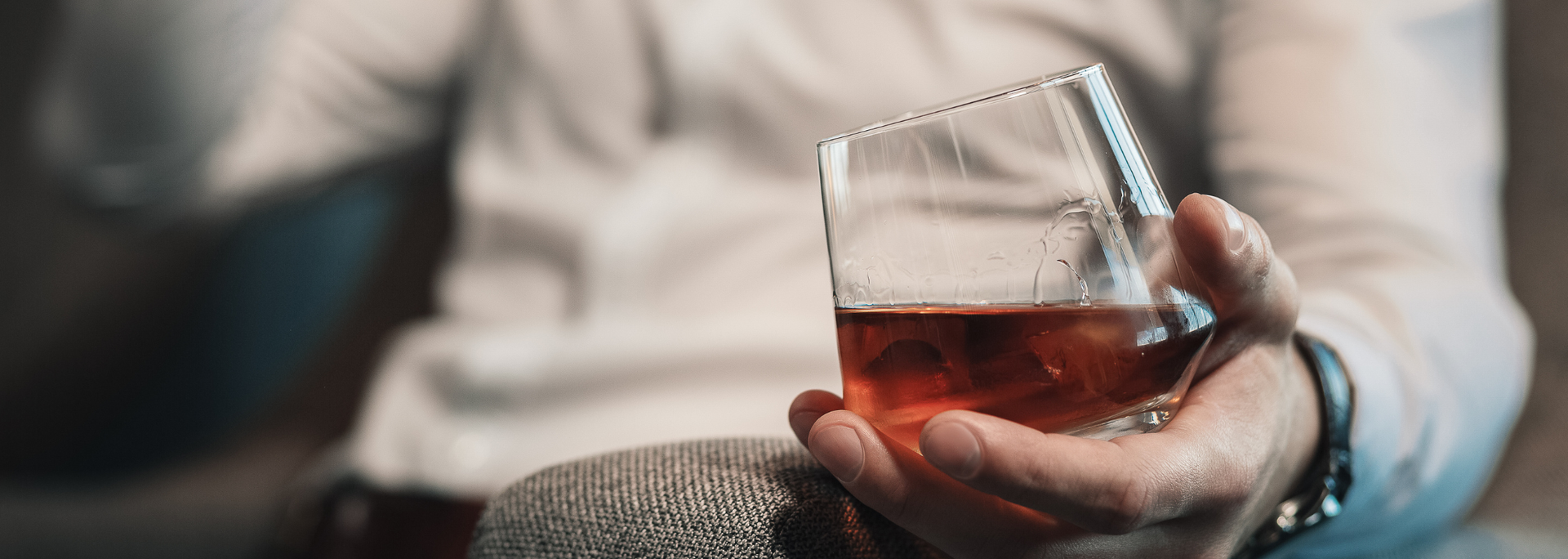
Moreover, some people find that alcohol has a stronger effect on them while on treatment. If you do choose to drink alcohol, doing so in careful moderation and alongside food may help reduce unwanted effects.
7. Large amounts of high-fibre foods (at first)
Fibre is an important part of a healthy diet, supporting digestion and overall health. However, a sudden increase in fibre, or very large portions, can lead to bloating and discomfort – particularly in the early stages of treatment.
Foods to be mindful of include:
- Beans and lentils
- Whole grains
- Large portions of raw vegetables
Rather than avoiding these foods altogether, it's better to reintroduce fibre gradually, spreading your intake across the day and staying well hydrated.
What to focus on instead
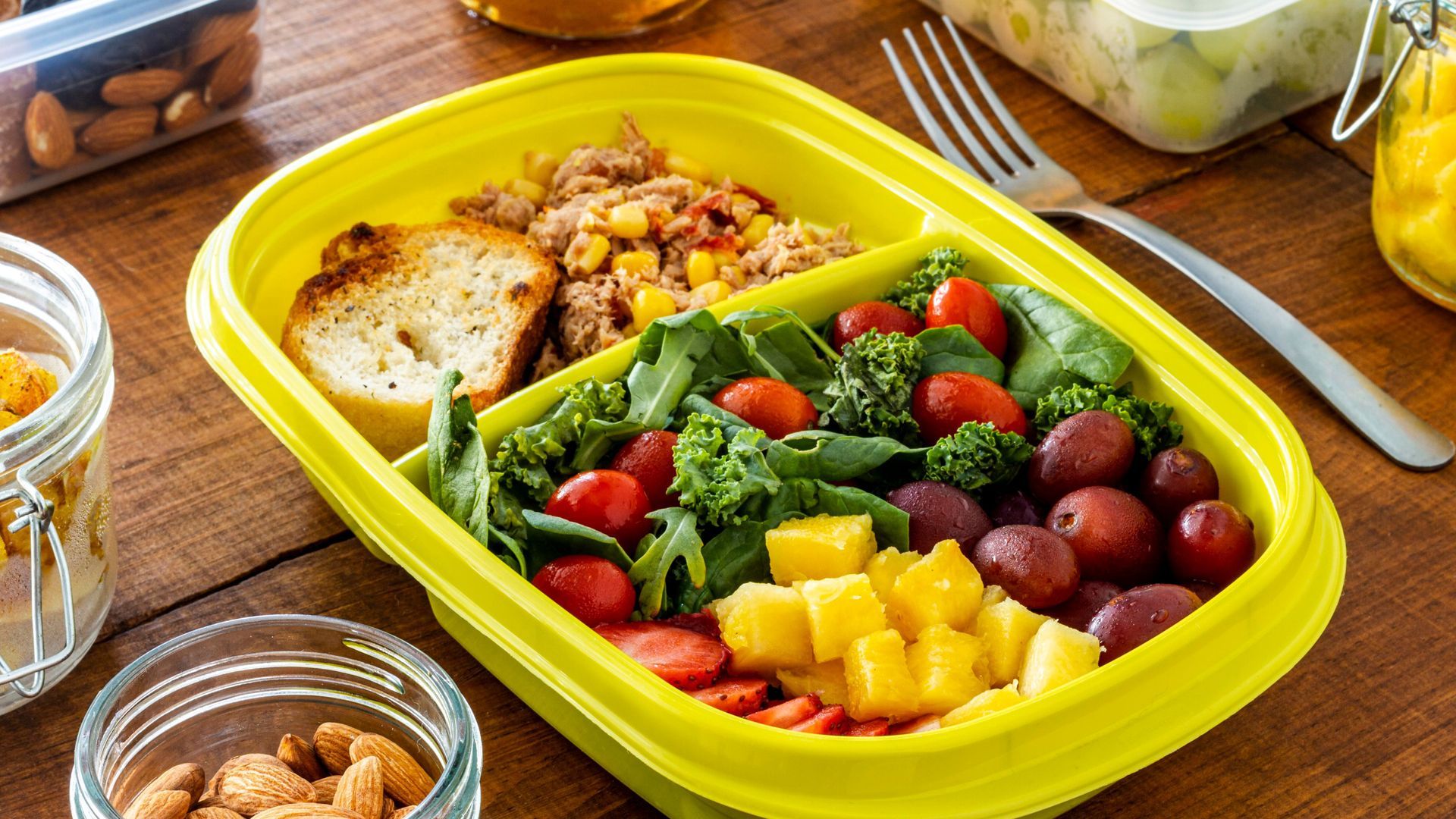
Rather than thinking in terms of restriction, it's more helpful to focus on foods that support both your nutrition and comfort. That includes:
- Lean proteins like chicken, fish, eggs and tofu
- Moderate portions of whole grains, such as rolled oats, brown rice, quinoa or bulgur
- Fruits and vegetables
- Small amounts of healthy fats from things like nuts and seeds, or olive oil
- Plenty of non-carbonated fluids throughout the day
Eating slowly and mindfully can also help you recognise fullness cues earlier and avoid overeating.
A personalised approach
Everyone responds differently to GLP-1 medications. Foods that cause discomfort for one person may be well-tolerated by another.
Paying attention to how your body responds can help you identify what works best for you. For instance, you could try keeping a simple food and symptom diary for the first few weeks of treatment.
At Semapen, treatment is tailored to the individual with ongoing personalised, clinical support. If you experience any ongoing side effects, your clinical team can help by reviewing your treatment plan.
Remember, you don't need to follow a restrictive diet. Simply by implementing these small, practical changes, you can make a meaningful difference to how you feel – and the results you achieve.
Are you looking for expert help to lose weight? Semapen's programmes include step-by-step support from real obesity specialists, delivered through an easy-to-use weight loss app. You can find out if you're eligible for treatment today by taking our quick digital consultation.
Sources
1. Jastreboff, A.M. et al. (2022) "Tirzepatide Once Weekly for the Treatment of Obesity"
The New England Journal of Medicine, 387(3)
https://doi.org/10.1056/NEJMoa2206038
2. Wilding, J.P.H. et al. (2021) "Once-Weekly Semaglutide in Adults with Overweight or Obesity"
The New England Journal of Medicine, 384(11)
https://doi.org/10.1056/NEJMoa2032183
This article was reviewed and approved by Lujain Alhassan, Bariatric Nutritionist, on 3 May 2026.
- Average 15-21% weight loss*
- Tailored programmes built by real experts
- Targeted support to make success feel simpler
- Unique app with weight loss tools and lessons
Your journey starts here
Start your personalised weight loss plan in minutes.
1
Start your online consultation
2
Get approved by our clinical team
3
Begin your programme