
How does exercise help obesity?
Ready to take the next step? See if you're eligible for expert-led weight loss support.
Learn how exercise supports obesity management by improving health, preserving muscle and complementing healthy eating and weight loss.

When you think about losing weight, exercise is probably one of the first things that comes to mind.
Joining a gym, going for a brisk walk or following an online workout programme can all feel like positive first steps. However, if you've ever spent weeks exercising only to see little movement on the scales, you might have wondered whether it's really making a difference.
The answer is yes – but perhaps not in the way you expect.
Exercise plays an important role in managing obesity, but not simply because it burns calories. In fact, its greatest benefits often come from the positive changes it makes to your:
- Overall health
- Metabolism
- Strength
- Long-term ability to maintain weight loss
Combined with balanced nutrition and medical support (where appropriate), regular physical activity can be one of the most valuable tools for improving weight and overall well-being.
Obesity is a complex health condition
Obesity is often misunderstood as the simple result of eating too much and exercising too little. However, the reality is far more complex.
Body weight is influenced by a combination of biological, psychological and environmental factors. Genetics can affect how our bodies regulate appetite and store fat, while hormones play an important role in hunger and satiety (feeling full). Mental health, sleep quality, stress levels and certain medications can also influence weight.
On top of all this, social circumstances, access to nutritious food and opportunities for physical activity all shape our ability to maintain a healthy weight.
Because obesity develops through such a wide range of interconnected factors, no single solution works for everyone. Exercise is an important component of obesity management, but it tends to be most effective when combined with:
- Healthy eating habits
- Behavioural support
- Where appropriate, medical treatments such as prescription weight loss medications
Exercise burns energy – but that's only part of the story
Physical activity increases the amount of energy your body uses, which contributes to the calorie deficit needed for weight loss.
However, many people overestimate how many calories exercise actually burns. For example, it often takes considerably longer to burn the calories in a takeaway meal than it does to eat it.
That's why diet and nutrition is generally considered the primary driver of weight loss.
This doesn't mean exercise is pointless. Rather, it highlights that its greatest value lies in the many other ways it supports health and long-term weight management.
Exercise helps preserve muscle during weight loss

When we lose weight, the body doesn't just burn fat. Muscle loss can occur, too.
Preserving muscle mass during weight loss is important for several reasons. Muscles help us stay strong and mobile, and they contribute to the number of calories our bodies use at rest.
The more muscle we retain during weight loss, the better positioned we are to maintain our overall health.
That's why resistance training is often recommended as part of a weight management plan. Activities such as lifting weights can help protect lean muscle tissue while encouraging the body to lose fat. As a result, a greater proportion of the weight lost is likely to come from body fat rather than muscle.
Metabolic support
While exercise doesn't dramatically increase metabolism overnight, it does help support healthy metabolic function over time.
Regular physical activity helps maintain muscle tissue, which is more metabolically active than fat tissue. That means the body burns more calories to preserve and maintain muscle, even at rest.
Muscle also improves:
- The body's ability to regulate blood sugar
- Its ability to respond to insulin
- Cardiovascular fitness, making everyday activities feel easier
Taken together, these benefits can make it easier to manage weight in the long term while improving overall health and well-being.
Protecting heart health
Regular physical activity can strengthen the heart, improve circulation and help maintain healthy blood pressure and cholesterol levels. As a result, exercise can reduce the risk of cardiovascular disease, regardless of what the scales say.
This is an important reminder that progress shouldn't be measured solely by weight. Even if the number on the scales may not change much, exercise can still benefit your heart, blood vessels and overall health.
Making everyday life easier
As fitness levels improve, many routine activities become noticeably easier. People often find they can:
- Walk further without becoming breathless
- Climb stairs more comfortably
- Carry out everyday tasks with less effort
Playing with children or grandchildren becomes less exhausting, shopping bags seem less cumbersome and energy levels throughout the day can improve.
These changes can have a significant impact on quality of life and frequently occur before someone reaches their target weight. In many cases, feeling healthier and more capable is one of the most rewarding outcomes of becoming more active.
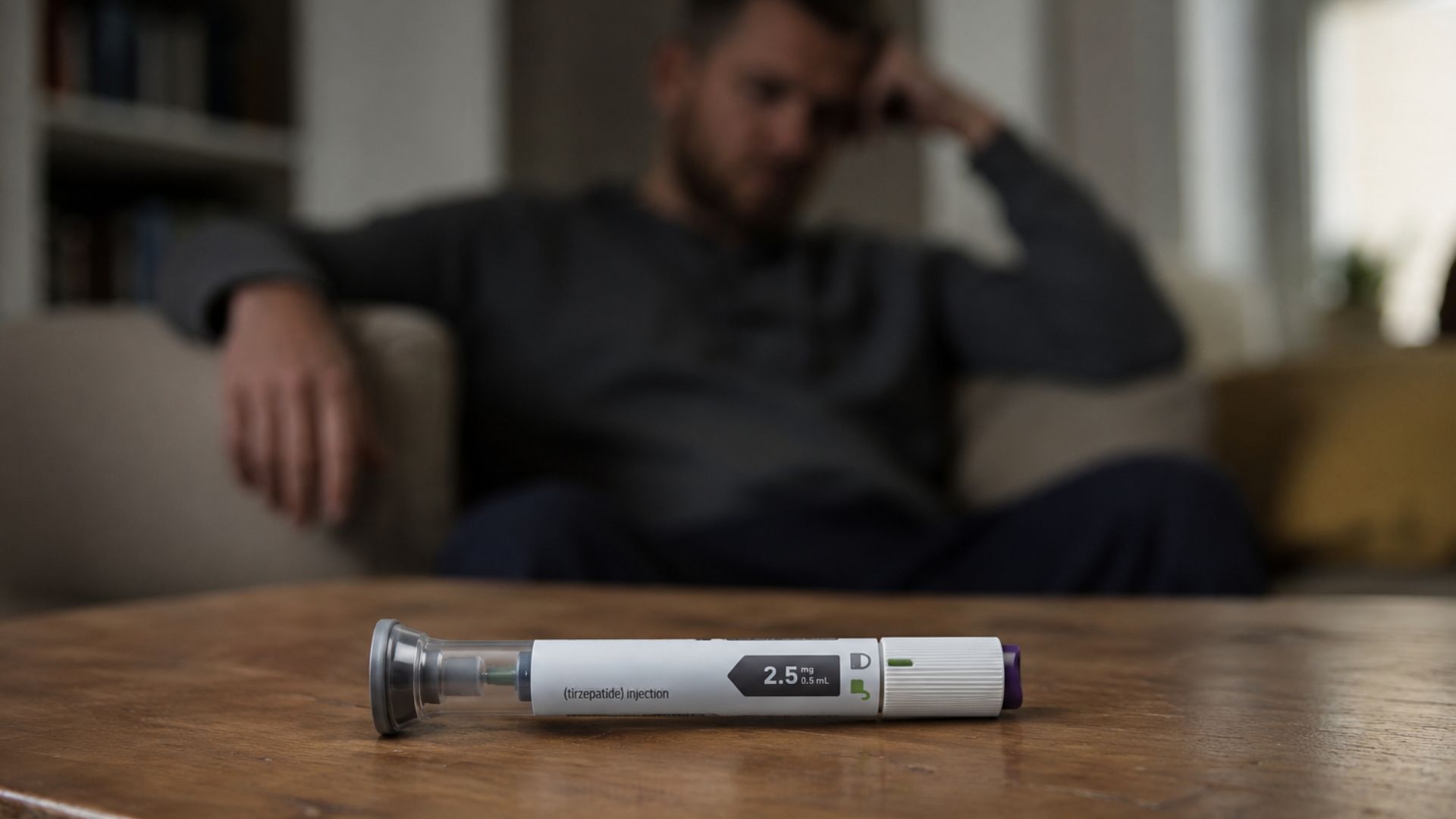
What if you're taking Wegovy or Mounjaro?
Exercise is an important part of treatment if you're on a medically supported weight loss programme. That's because it helps preserve muscle mass while body fat is reduced.
These medications help regulate appetite and make it easier to maintain a calorie deficit. That supports healthy weight loss – but like any relatively fast weight loss, it can also lead to muscle loss.
In a recent study, researchers found that weight loss injections led to an average reduction in lean mass of 1.74kg.¹ Lean mass can include muscle.
However, the study also found that lean mass increased as a proportion of total body weight after treatment.¹ In other words, while the participants lost muscle, their overall body composition improved.
Still, studies like these underscore the importance of incorporating resistance training, such as weights, into your Wegovy or Mounjaro journey. We know from research that resistance training during weight loss helps reduce the loss of lean mass and increase fat loss.²
Remember that medications like Wegovy and Mounjaro work best alongside healthy lifestyle habits. The combination of medication, nutrition and physical activity offers the greatest opportunity for long-term success.
Exercise doesn't need to be perfect
One of the biggest barriers to becoming more active is believing you have to get the routine perfectly right from the start. But the best form of exercise is the one you genuinely enjoy, and which fits comfortably into your lifestyle.
Starting with manageable activities and gradually increasing your activity level as you feel more comfortable is often the most sustainable approach. For example, taking the stairs instead of the lift, parking slightly further away or getting off the bus a stop earlier.
As your fitness level improves, you can make things more challenging. For some people, that might be a daily brisk walk, while others prefer cycling, swimming or yoga.
Whether you're losing weight through lifestyle changes alone or alongside medications like Wegovy or Mounjaro, it's best to view exercise as an investment in your overall health. It's much more than just a way to reduce the number on the scales.
That's why we've partnered with Sword Health to offer a personalised 10-month online fitness programme alongside our weight loss treatments. Available to NHS patients and on select private care plans, it's all part of our mission to support your whole health – not just your weight.
Semapen is a UK-based provider of clinically supported weight loss programmes, delivered through our unique digital health app. Learn more about the step-by-step support you can expect as a Semapen subscriber.
Sources
1. Laverde, L.P. et al. (2026) "Effect of GLP-1 receptor agonists at doses for obesity management on muscle health: systematic review and meta-analysis of randomized controlled trials (RCTs)" International Journal of Obesity [advance online publication] https://doi.org/10.1038/s41366-026-02118-y
2. Binmahfoz, A. et al. (2025) "Effect of resistance exercise on body composition, muscle strength and cardiometabolic health during dietary weight loss in people living with overweight or obesity: a systematic review and meta-analysis" BMJ Open Sport & Exercise Medicine, 11(3) https://doi.org/10.1136/bmjsem-2024-002363
This article was reviewed and approved by Lujain Alhassan, Bariatric Nutritionist, on 8 August 2026.
- Average 15-21% weight loss*
- Tailored programmes built by real experts
- Targeted support to make success feel simpler
- Unique app with weight loss tools and lessons
Your journey starts here
Start your personalised weight loss plan in minutes.
1
Start your online consultation
2
Get approved by our clinical team
3
Begin your programme