

Who should not take Wegovy?
Ready to take the next step? See if you're eligible for expert-led weight loss support.
Like all prescription medications, Wegovy isn't suitable for everyone. Learn the key medical considerations, side effects and treatment safety guidance.
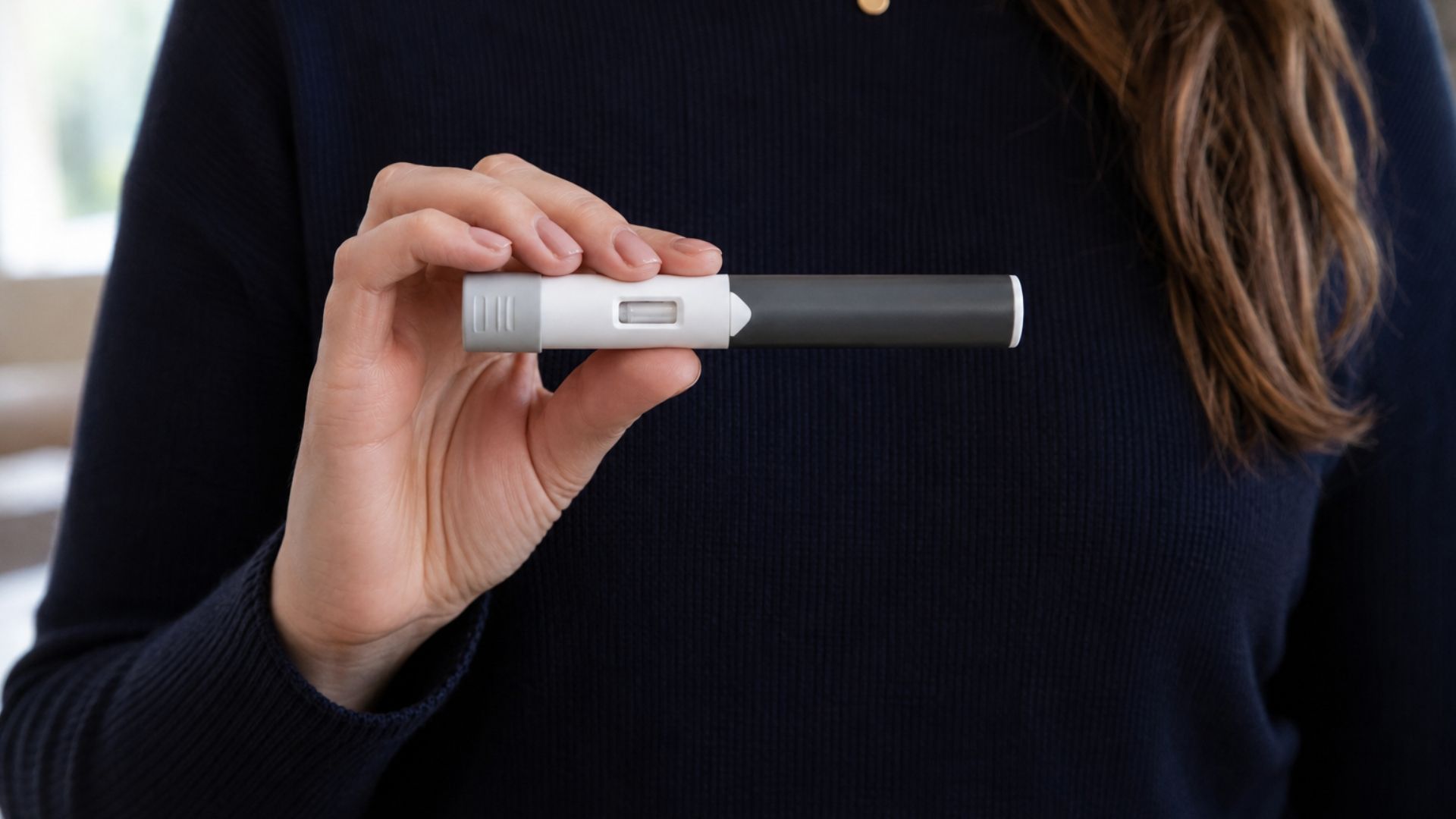
Wegovy (semaglutide) can be a highly effective treatment for weight loss and weight management. However, like all prescription medications, it's not suitable for everyone.
Wegovy should only be prescribed after a thorough assessment of a person's medical history, current health and overall risk factors.
While many people tolerate semaglutide well, some people may require closer medical supervision during treatment. Others should avoid it altogether.
Let's explore why proper medical screening is crucial before starting a Wegovy treatment programme.
How Wegovy works – and why it's not for everyone
Wegovy is a prescription-only weight loss medication containing the active ingredient semaglutide. It works by mimicking a naturally occurring hormone called 'glucagon-like peptide-1' (GLP-1). This hormone helps regulate appetite, digestion and blood sugar levels.
For many people, this leads to reduced hunger, fewer cravings and improved control over eating habits.
But because GLP-1 affects multiple systems throughout the body, Wegovy may not be suitable for people with certain health conditions or those taking particular medications.
In some cases, semaglutide may increase the risk of side effects or complications. In others, it may simply not be the safest or most appropriate treatment option.
That's why proper medical screening is essential before starting any GLP-1 medication.
When is extra caution needed with Wegovy?
Below are some of the main groups of people who either:
- Should not take Wegovy under any circumstances
- May be at higher risk if they take Wegovy, meaning extra caution is needed
Be mindful that this is not an exhaustive list.
Even if you don't fall into one of these categories, your prescribing clinician may still decide another treatment approach is more appropriate for you. This decision is always made with your safety and well-being in mind.
1. People who are pregnant or trying to conceive
Wegovy must not be taken during pregnancy.
There is currently not enough evidence to confirm that semaglutide is safe during pregnancy.
Furthermore, weight loss programmes in general should be avoided while pregnant. This is because, during pregnancy, the body's nutritional needs change significantly to support foetal development. While healthy eating and good levels of physical activity are beneficial for pregnant people, intentional weight loss carries potential risks.
If you become pregnant while taking Wegovy, you should let your doctor know as soon as possible.
Because semaglutide remains in the body for some time after stopping treatment, people are advised to discontinue Wegovy at least two months before trying to conceive.¹
2. People who are breastfeeding

Taking Wegovy is not appropriate while breastfeeding.
It is not yet fully understood whether semaglutide passes into breast milk or what effect it could have on a developing baby.
Until more evidence becomes available, a good clinician will take a cautious approach and advise against using GLP-1 medications during breastfeeding.
If you're planning to breastfeed in the near future, your provider will likely recommend delaying treatment and discuss alternative options.
3. People taking certain medications
Special clinical supervision
is needed for people taking certain medications, including:
- Insulin or sulfonylureas, which may increase the risk of low blood sugar when combined with GLP-1 medications
- Certain blood pressure or thyroid medications, which may require monitoring or dose adjustments
You should not take Wegovy if you're taking another GLP-1 medication, such as Mounjaro or Ozempic. These medications work in similar ways, so taking both at once would have similar effects to a medical overdose.
Importantly, unlike with Mounjaro, you can take the contraceptive pill while taking Wegovy. There is no evidence that Wegovy has a clinically meaningful impact on oral contraceptive absorption.²
However, severe vomiting or diarrhoea caused by any illness or medication could still temporarily affect oral contraceptive effectiveness. So, additional precautions may sometimes be appropriate if significant gastrointestinal side effects occur.
Always share your full medication list with your prescriber before starting treatment, including supplements and over-the-counter medicines.
4. People with certain health conditions
Wegovy is not suitable for people with certain pre-existing medical conditions.
That includes people with:
- Medullary thyroid carcinoma (MTC), or a family history of it
- Multiple endocrine neoplasia syndrome type 2 (MEN2)
- A history of pancreatitis
- Severe gastroparesis or delayed stomach emptying
- Allergic reactions to semaglutide or similar medications
In some situations, your prescribing clinician may recommend additional investigations or specialist input before deciding whether treatment is appropriate.
Even conditions that feel unrelated to weight loss can matter during assessment, which is why your full medical history is so important.
5. People with IBD or other significant digestive problems
Digestive issues are among the most common side effects reported with Wegovy, especially in the early stage of treatment.
These can include:
- Nausea
- Vomiting
- Constipation
- Diarrhoea
- Abdominal discomfort
For many people, these symptoms improve over time or during gradual dose increases.
However, people who already experience significant digestive issues may find these side effects harder to tolerate.
Because Wegovy slows digestion, people with severe gastrointestinal conditions may require extra caution or may not be suitable candidates for treatment at all.
6. Children and young people

Wegovy is available to people in the UK aged 12 years and over.³
A clinical trial found that the medication was safe and effective in those aged between 12 and 17 years. Participants taking Wegovy saw their BMI reduce by around 17% more compared to those taking a placebo (a dummy drug).⁴
However, Wegovy is not generally prescribed to adolescents by most private UK healthcare providers, including Semapen. It is only prescribed by:
- Specialist, multi-disciplinary NHS paediatric weight management services
- Select private clinics when overseen by paediatricians and paediatric endocrinologists
In general, weight management in children and teenagers requires a different clinical approach focused on growth, development, nutrition and long-term well-being.
If you are concerned about a young person's weight, it's important to seek advice from a GP or specialist healthcare professional rather than pursuing adult-focused treatment.
NHS vs private eligibility
Access to Wegovy can vary significantly depending on whether treatment is sought through the NHS or a private provider.
NHS eligibility criteria are relatively strict and prioritise individuals with higher BMI levels, obesity-related health conditions and significant clinical need due to health risks.
Private providers may be more flexible, while still following evidence-backed guidance from organisations like the MHRA and NICE.
Generally speaking, private clinics in the UK may prescribe Wegovy to adults with a BMI of 30 or greater. However, some patients can access the medication privately at a BMI of 27 or greater. This is often the case if they have certain weight-related health conditions or come from a high-risk ethnic background.
With Semapen, all patients undergo a clinical assessment before commencing any prescription treatment programme. This is to ensure treatment is appropriate and safe.
Thinking about starting Wegovy?
Studies have shown significant weight loss outcomes with semaglutide treatment.
In a phase 3 clinical trial, people taking semaglutide lost an average of around 15% of their starting body weight over 68 weeks.⁵
However, the most successful outcomes depend on more than medication alone. The long-term results are best when Wegovy is combined with nutritional and behavioural guidance, plus ongoing clinical support.
At Semapen, we prescribe Wegovy as part of a wider medical weight loss approach designed to support safe, sustainable progress over time.
If Wegovy isn't suitable for you, alternative approaches may still be available depending on your circumstances and health needs.
That's why proper medical assessment and ongoing support are such important parts of responsible weight loss treatment.
Are you considering Wegovy for weight loss? It's easy to find out if you're eligible for the expert-led SemaPen programme. Simply take our quick online consultation to get started today.
Sources
1. Novo Nordisk (n.d.) WHAT YOU MIGHT EXPECT WITH WEGOVY®. Wegovy.com. Retrieved from https://www.wegovy.com/obesity/is-wegovy-right-for-me/safety-side-effects.html
2. Five Valleys Medical Practice (2025) Important Information for patients using the Weight Loss injections Mounjaro® and Wegovy® and Oral Progesterones for Contraception or HRT [news post]. Retrieved from https://fivevalleysmedicalpractice.co.uk/mhra-alerts-medication-updates/glp1-progesterone/
3. Novo Nordisk (2025) Wegovy®▼ (semaglutide injection) weight management in adolescents (≥12 years). Retrieved from https://pro.novonordisk.co.uk/products/wegovy/efficacy/weight-management-adolescents.html
4. Weghuber, D. et al. (2022) "Once-Weekly Semaglutide in Adolescents with Obesity" The New England Journal of Medicine, 387(24) https://doi.org/10.1056/NEJMoa2208601
5. Wilding, J.P.H. et al. (2021) "Once-Weekly Semaglutide in Adults with Overweight or Obesity" The New England Journal of Medicine, 384(11) https://doi.org/10.1056/NEJMoa2032183
This article was reviewed and approved by Lujain Alhassan, Bariatric Nutritionist, on 4 July 2026.
- Average 15-21% weight loss*
- Tailored programmes built by real experts
- Targeted support to make success feel simpler
- Unique app with weight loss tools and lessons
Your journey starts here
Start your personalised weight loss plan in minutes.
1
Start your online consultation
2
Get approved by our clinical team
3
Begin your programme