
How long does it take for weight loss to show on the scale?
Ready to take the next step? See if you're eligible for expert-led weight loss support.
Wondering when weight loss will show on the scale? Learn what affects progress and what to realistically expect over time.
Starting a weight loss journey often comes with a big question: when will I see results?
Whether you're changing your diet, becoming more active or using prescription weight loss medication, it's natural to want reassurance that your efforts are paying off.
The answer, however, is rarely straightforward.
While some people notice changes on the scale within the first few weeks, for many others it takes longer, even with consistent lifestyle changes. However, that doesn't necessarily mean your approach isn't working.
Weight loss is influenced by much more than body fat alone. Water retention, hormones, muscle recovery, digestion and even the time of day can all affect what the scale says.
Understanding what to expect can help you stay motivated and avoid becoming discouraged by normal fluctuations.
Weight loss doesn't happen at the same rate for everyone
No two people lose weight in exactly the same way. That's because many factors can influence the speed of weight loss.
To list a few of them:
- Starting weight
- Age
- Sex
- Activity levels
- Eating habits
- Sleep and stress
- Medications
- Underlying health conditions
Generally speaking, people with a higher starting body weight tend to lose weight more quickly at first. Meanwhile, those closer to their goal weight often see slower progress.
The important thing is not how your progress compares with somebody else's, but whether your overall trend is moving in the right direction.
What happens during the first week?
The first week of a new weight loss plan can sometimes produce surprisingly large changes on the scale.
However, much of this early weight loss is often water weight, not body fat.
When you reduce your calorie intake or eat fewer carbohydrates, your body begins using stored glycogen for energy. Glycogen is the body's main way of storing glucose – a simple form of sugar.
Glycogen is stored alongside water. So, when glycogen stores are depleted, water is also released. That's what can cause the scale to drop so quickly at first.
On the other hand, some people see very little change during the first week. This is completely normal, too.
Changes in hydration, salt intake, hormones, digestion, or physical activity can temporarily mask fat loss, making it look like nothing is happening.

Meaningful fat loss usually takes a little longer. If you're consistently maintaining a calorie deficit, it's common to begin seeing more reliable changes over several weeks rather than several days.
The NHS recommends aiming to lose around 0.5kg to 1kg each week (one to two pounds).¹ This is considered to be a realistic and sustainable target for most people.
Losing weight more gradually can make it easier to preserve muscle mass, develop sustainable habits and maintain progress over the long term.
Remember: the scale doesn't tell the full story
One of the biggest mistakes people make is expecting the number on the scale to fall every day.
However, bodily weight naturally fluctuates. It's perfectly normal for the scale to move up and down from one day to the next because of factors like:
- Changes in hydration
- Salt levels
- Hormone fluctuations
- Recent exercise
For example, a particularly salty meal may cause temporary water retention, while a strenuous workout can lead to short-term inflammation as muscles recover. While these might show up as a higher number on the scale, neither means you've gained body fat.
Remember that the scale is just one way to monitor progress. Looking at overall trends across several weeks is far more useful than fixating on daily weigh-ins.
What's more, your body composition may be changing even when your weight isn't moving very much.
Look out for other signs of progress, such as:
- Clothes fitting more comfortably
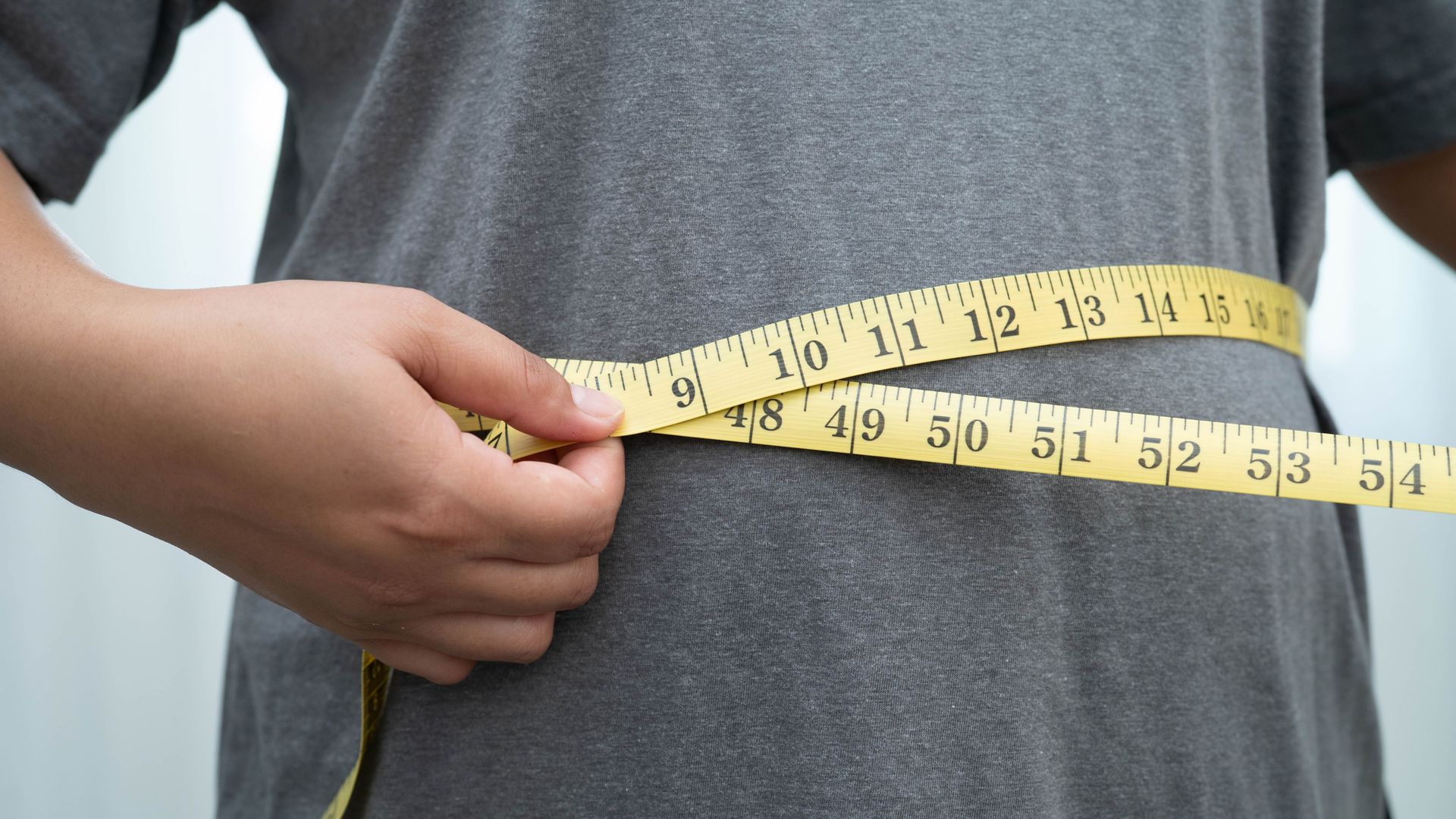
- Reduced waist measurements
- Increased energy
- Improved fitness and mobility
- Improved blood pressure or blood sugar control
- Feeling fuller with smaller portions
- Developing healthier routines
- Better sleep quality
These changes often appear before any big changes on the scales and can be just as meaningful for your overall health.
When do Wegovy and Mounjaro start working?
Prescription weight loss medications, such as Wegovy and Mounjaro, begin working in the body soon after treatment starts.
Many people notice reduced appetite or increased fullness during the first few weeks, although everyone's experience is different.
Crucially, medications are introduced gradually using a dose-escalation schedule. This allows the body time to adjust and helps reduce the likelihood of
weight loss injection side effects, such as nausea.
As a result, meaningful weight loss usually develops progressively rather than immediately.
In major clinical trials:
- People taking tirzepatide (Mounjaro) lost an average of 21% of their starting body weight over 72 weeks.²
- People taking semaglutide (Wegovy) lost an average of 15% of their starting body weight over 68 weeks.³
These results highlight an important point: GLP-1 medications are designed to support long-term weight management rather than rapid short-term weight loss.
Should you weigh yourself every day?

There isn't a right or wrong answer to this.
Some people find daily weigh-ins help to keep them accountable and understand their normal fluctuations.
For others, frequent weighing can increase their anxiety and be discouraging.
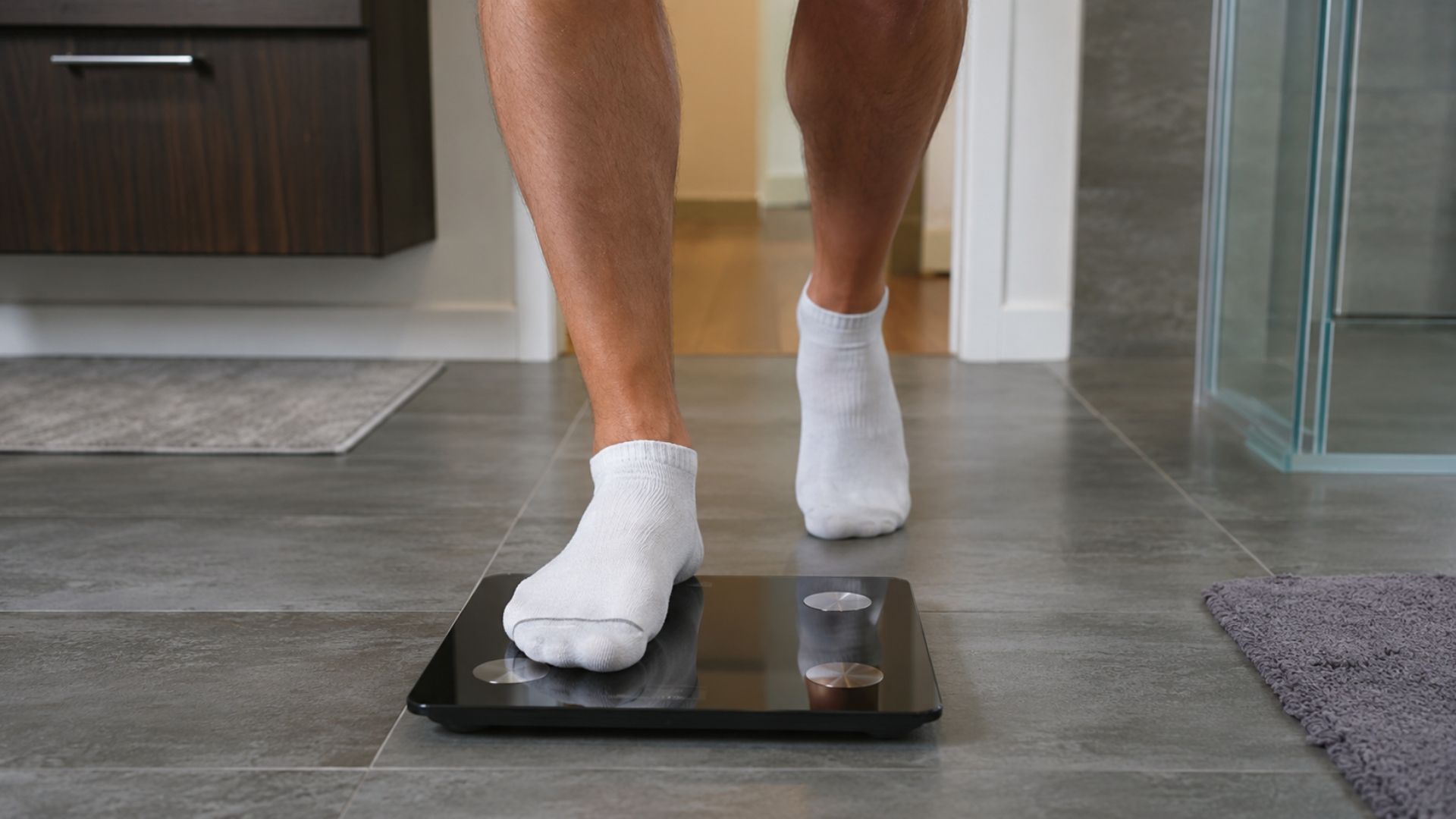
If you do weigh yourself regularly, try to keep the conditions as consistent as possible. For example, always weigh yourself at the same time of day, before eating or drinking.
And rather than focusing on individual readings, look at how your weight changes over several weeks.
When should you seek advice?
Have you followed your treatment plan consistently for several weeks and haven't noticed any meaningful progress? It's worth speaking to your doctor or your Semapen support team.
At Semapen, ongoing support is an important part of treatment. Regular check-ins, a connected smart scale and the Semapen app help us monitor progress over time and identify trends that might otherwise be missed.
Sometimes, a few small, practical adjustments are all that's needed to get things moving again.
Whether you're following a
structured nutrition programme, making lifestyle changes, or using medications such as Wegovy or Mounjaro, patience and consistency are key.
Rather than judging your progress by one weigh-in, remember to look at the bigger picture. Sustainable weight loss is a long-term process, and the healthiest changes are often the ones that happen steadily and gradually over time.
Are you looking for a supportive community to help you lose weight? With Semapen, you can access the latest weight loss treatments with support from real experts, all delivered through our unique
digital health app. It's easy to find out if you're eligible – simply
take our quick online consultation.
Sources
1. NHS (2026) Overweight and obesity in adults. Retrieved from https://www.nhs.uk/conditions/overweight-and-obesity/
2. Jastreboff, A.M. et al. (2022) "Tirzepatide Once Weekly for the Treatment of Obesity" The New England Journal of Medicine, 387(3) https://doi.org/10.1056/NEJMoa2206038
3. Wilding, J.P.H. et al. (2021) "Once-Weekly Semaglutide in Adults with Overweight or Obesity" The New England Journal of Medicine, 384(11) https://doi.org/10.1056/NEJMoa2032183
This article was reviewed and approved by Lujain Alhassan, Bariatric Nutritionist, on 4 July 2026.
- Average 15-21% weight loss*
- Tailored programmes built by real experts
- Targeted support to make success feel simpler
- Unique app with weight loss tools and lessons
Your journey starts here
Start your personalised weight loss plan in minutes.
1
Start your online consultation
2
Get approved by our clinical team
3
Begin your programme