
What is a good fruit for weight loss?
Ready to take the next step? See if you're eligible for expert-led weight loss support.
We all know eating fruit is good for us, but what is a good fruit for weight loss? Find out how fruit fits into a healthy, balanced diet.
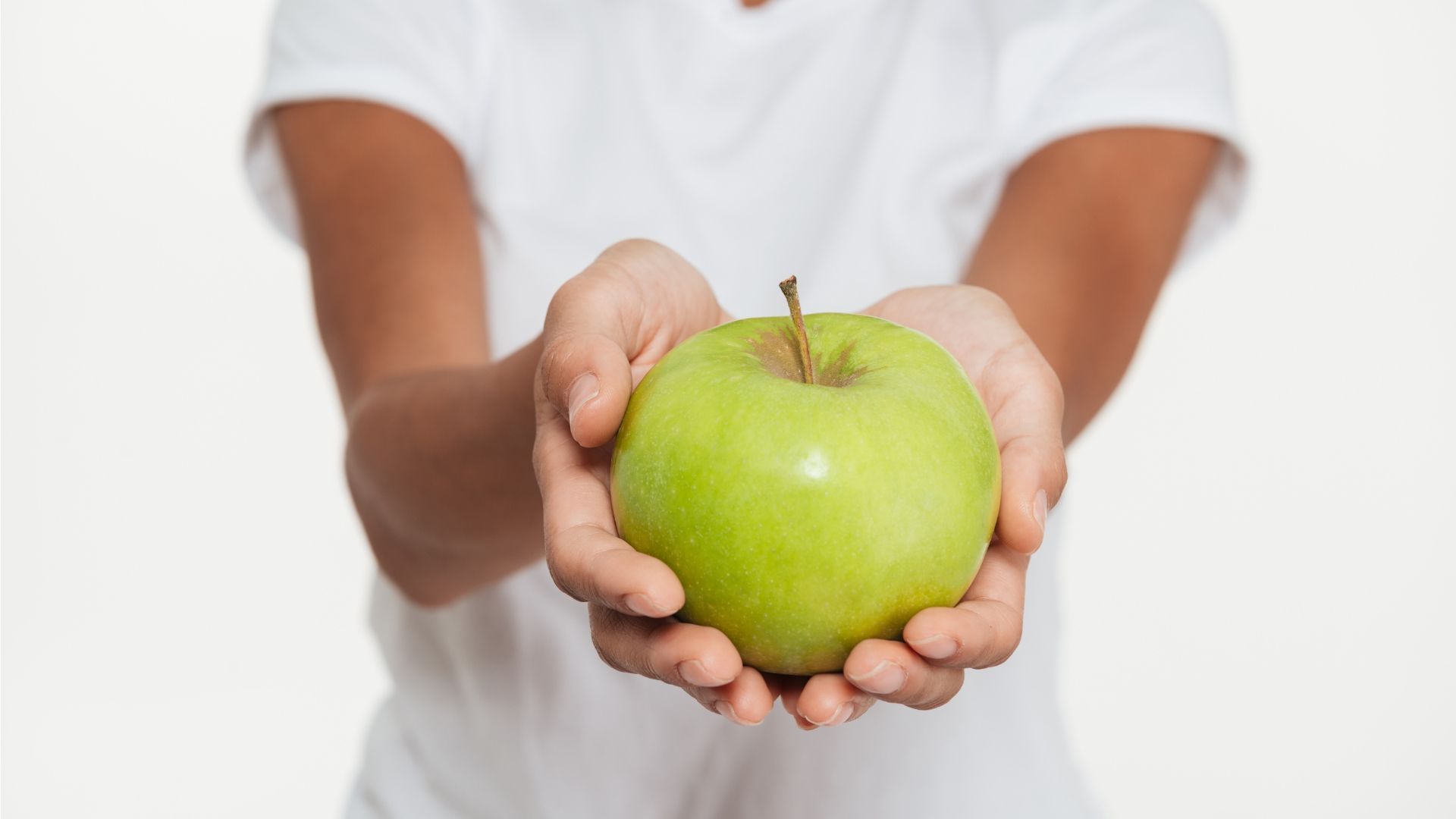
Think of a few examples of healthy foods.
Chances are, your mind conjured up images of fresh, juicy fruit, among other things like vegetables and wholegrains. And rightly so. But are all fruits good for weight loss?
Some articles promote 'superfruits' for slimming, while others warn against bananas or grapes because of their sugar content.
So, what's the truth? What are healthy fruits for weight loss, and are there any you should avoid?
The short answer is that most fruits can play a helpful role in weight management. The key is knowing how to include them in a balanced way and being realistic about what they can (and cannot) do.
How fruit can support weight loss
Fruit offers more than just natural sweetness. It provides fibre, vitamins, minerals and water, all of which help keep your appetite and overall health in check.
High-fibre foods slow digestion. That means you feel full for longer, so you can eat less without feeling deprived.
Fruit is also generally lower in calories compared to processed snacks, but still gives you that sweet fix. Swapping a chocolate bar for an apple cuts calories, increases fibre and provides more nutrients. Over time, these small changes can add up.
What is a good fruit for weight loss?
Different fruits offer different benefits when it comes to weight loss. Here are some examples:
- Berries (e.g. strawberries, raspberries, blueberries, blackberries): berries are high in fibre, relatively low in sugar and rich in antioxidants. Eat them fresh or frozen.
- Apples and pears: both are filling thanks to their fibre content and water content. Be sure to eat them whole, rather than juiced.
- Oranges and other citrus fruits: with their high vitamin C and water content, citrus fruits are refreshing and low in calories.
- Melons (e.g. watermelon, cantaloupe, honeydew): melons are hydrating – just the thing for a hot summer's day. They also contain very few calories.
- Kiwi fruit:
this nutrient-dense option contains lots of fibre and vitamin C. It also has a slightly tart flavour, which can help curb sugar cravings.
What fruits are not good for weight loss?
No fruit you can buy at the supermarket is 'bad' in the sense of being harmful. However, some are less helpful if eaten in large amounts because they are relatively high in natural sugars and calories.
Examples include:
- Grapes: known as 'nature's candy', grapes are higher in sugar per portion than many other fruits. However, they're still much healthier than processed sugar treats, so just make sure to eat them in sensible portions (10 to 12 grapes).
- Mangoes: these are delicious but calorie-dense compared to citrus or berries, so make sure to eat only a slice or two at a time.
- Bananas: these are nutritious and convenient for on-the-go snacking, but more calorie-dense than apples or melons. Aim for one medium banana a day.
- Dried fruit: when dried, fruit becomes a concentrated source of calories and sugar. A small handful of raisins, for example, contains the same sugar as a much larger portion of grapes. Be sure to eat dried fruit in moderation.
This doesn't mean these fruits are off-limits. They can all be part of a balanced diet if enjoyed in moderation.
The key is portion size. For weight loss, it often helps to focus on fruits that are bulky, fibrous and hydrating. Limit higher-sugar fruits and you'll put yourself in good standing to lose weight.
Is tinned fruit good for weight loss?
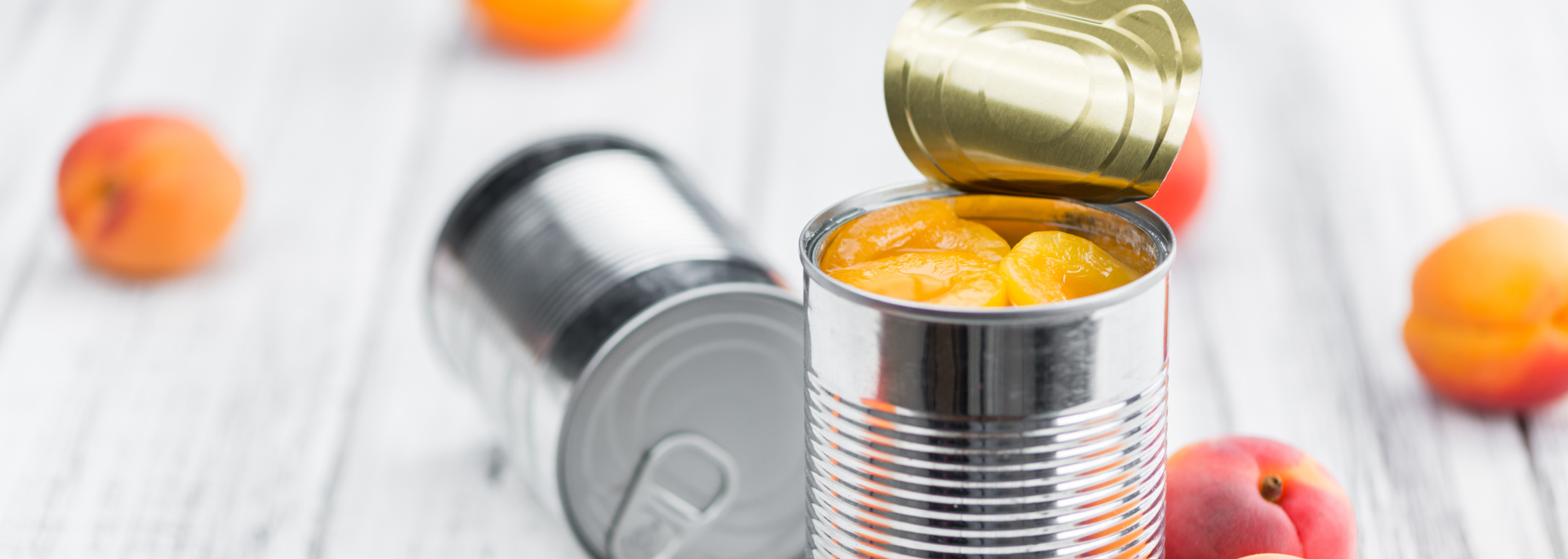
Tinned fruit is a convenient staple to keep in your cupboard. It can also be a healthy choice, depending on how it's prepared.
- In juice: canned fruit stored in its own juice is the best option, as it usually retains fibre and nutrients fairly well. However, some water-soluble vitamins may be reduced.
- In syrup: this is less helpful for weight loss because syrup adds extra sugar and calories. If it's your only option, make sure to drain and rinse the fruit to help reduce the sugar content.
Frozen fruit is another good alternative. That's because it usually retains most of its nutrients and can be stored for a long time without spoilage.
Practical ways to include fruit for weight loss
- Pair with protein: eating fruit with yoghurt, nuts or cottage cheese helps balance blood sugar and keeps you full for longer. For instance, apple slices with peanut butter make for a tried, tested and delicious snack.
- Choose whole over juice: juicing fruit strips away fibre, leaving sugar behind that can spike your glucose levels. It's always better to eat fruit whole.
- Use as a swap: replace high-calorie desserts or snacks with fruit for a satisfying but lighter option.
- Plan portions: keep fruit portioned up and ready to grab in the fridge or freezer to make healthier choices easier.
Where fruit fits into the bigger picture
While fruit is a healthy choice, it's only one piece of the weight loss puzzle. Weight management is shaped by many factors, including eating a balanced diet, sleeping well, staying active and keeping stress at bay.
That's why focusing too much on the 'best' or 'worst' fruits can be distracting. The bigger question is whether your overall weight loss plan feels sustainable and effective.
For some people, that means committing to an exercise programme or accessing weight loss support through the NHS. For others, it can be a combination of medical treatment and lifestyle changes.
How SemaPen can help
At SemaPen, we take the guesswork out of weight loss. Designed by obesity specialists, our at-home weight loss programmes combine proven treatments with expert support so you can focus on building habits that work for you.
We start with a
digital medical assessment to determine which treatment would suit you best. That could be:
- Mounjaro (tirzepatide): a once-weekly prescription injection that results in an average of 21% weight loss.
- Wegovy (semaglutide): a once-weekly prescription injection that results in an average of 15% weight loss.
- SemaHealth:
a meal replacement programme with expert support, which results in around 12 to 15% weight loss.
Once prescribed, we handle the practicalities, from providing the correct dose at the right time to adjusting treatment gradually. Along the way, we make sure you always feel supported with:
- Smart weight tracking: with your digital smart scales, our clinicians can track your progress remotely.
- Regular check-ins: if needed, we'll step in with tailored advice to help keep you on track.
- Support when you need it:
you'll have direct access to our experts, who can guide you through your treatment and answer your questions.
Ready to take the next step on your weight loss journey? You can start by taking our digital medical assessment. You'll find out instantly which programme is best for you.
Sources
1. Wilding, J.P.H. et al. (2021) "Once-weekly semaglutide in adults with overweight or obesity" The New England Journal of Medicine, 384(11) https://doi.org/10.1056/NEJMoa2032183
2. Jastreboff, A.M. et al. (2022) "Tirzepatide Once Weekly for the Treatment of Obesity"
The New England Journal of Medicine, 387(3)
https://doi.org/10.1056/NEJMoa2206038
3. Valabhji, J. et al. (2024) "Early findings from the NHS Type 2 Diabetes Path to Remission Programme: a prospective evaluation of real-world implementation" The Lancet, 12(9)
https://doi.org/10.1016/S2213-8587(24)00194-3
This article was reviewed and approved by Lujain Alhassan, Bariatric Nutritionist, on 31 October 2025.
- Average 15-21% weight loss*
- Tailored programmes built by real experts
- Targeted support to make success feel simpler
- Unique app with weight loss tools and lessons
Your journey starts here
Start your personalised weight loss plan in minutes.
1
Start your online consultation
2
Get approved by our clinical team
3
Begin your programme