
How does obesity affect the body?
Ready to take the next step? See if you're eligible for expert-led weight loss support.
What effect does obesity have on the body? Discover the health effects of obesity and how to reduce your risk.

We probably don't need to tell you that carrying excess weight can negatively impact your health. But how does obesity affect the body, exactly?
Although people often start a weight loss journey on a quest to improve their appearance or general fitness, the health effects of obesity span much wider. Living with obesity can affect joint health, hormone balance and breathing. It can also put you at risk of encountering serious health issues like strokes, heart attacks, non-alcoholic fatty liver disease and cancer.
Let's explore how obesity affects the body and what we can do to support our health.
What is obesity?
Obesity is a common medical condition characterised by excess body fat. It's usually diagnosed when your body mass index (BMI) is 30 or above. However, some consider BMI a limited health metric, as it doesn't take muscle mass, fat distribution, body composition or lifestyle into account.
Contrary to popular belief, obesity isn't simply the result of personal choices, like skipping the gym or eating takeaways. Genetics, medications, environment and mental health can all contribute to somebody becoming obese. That's why lifestyle changes alone don't always lead to long-term weight loss.
Understanding how obesity affects different parts of the body can help motivate you to lose weight sustainably for your health.
The effects of obesity on health
Heart and circulation
Carrying excess fat puts extra strain on your heart and circulatory system. That puts you more at risk of:
- High blood pressure
- Raised cholesterol
- Narrowed arteries (atherosclerosis)
Over time, these issues can cause heart attacks or strokes. Inflammation from fat tissue can also damage blood vessels and make your heart less efficient.
Even a small amount of weight loss – around 5% to 10% – can support better heart health.¹ This could come from changes to eating habits, physical activity, sleep, or stress levels – whatever feels manageable and sustainable for you.
Type 2 diabetes and insulin resistance
One of the most common health effects of obesity is insulin resistance. This occurs when your body stops using insulin effectively (insulin is a hormone that controls blood sugar). If insulin resistance continues, it can pave the way for type 2 diabetes.
The NHS reports that around 90% of people with type 2 diabetes are overweight or living with obesity. This is because excess fat, especially when stored around the abdomen, increases the risk of insulin resistance and beta cell dysfunction. If left untreated, type 2 diabetes can lead to long-term health conditions, including kidney disease, nerve damage, vision problems and a weakened immune system.
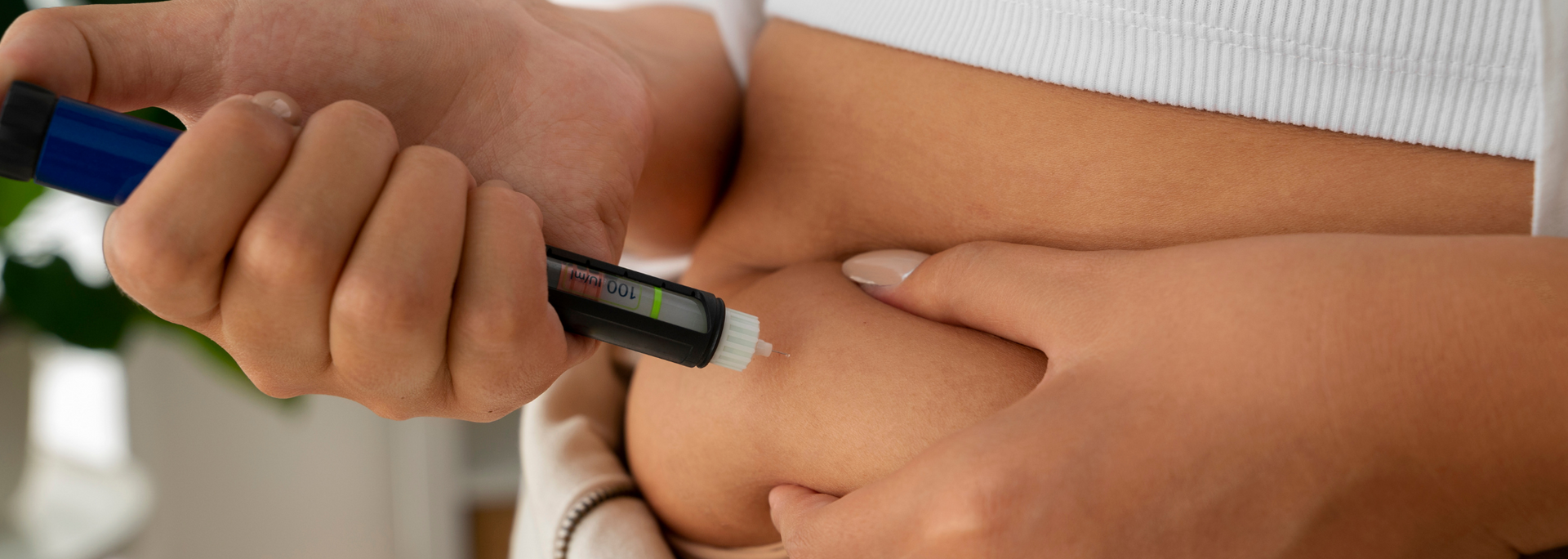
Treatment of type 2 diabetes often involves a combination of medication and lifestyle changes, such as eating a balanced diet, weight management and exercise. GLP-1 medications like Wegovy and Mounjaro were also developed to treat type 2 diabetes. These medications are highly effective for regulating blood sugar and appetite, even in people without diabetes.
Hormones and reproductive health
Obesity can tip your hormones out of balance. For women, this may cause irregular periods, PCOS or fertility issues. In men, it can lower testosterone, which may affect libido or sperm quality.
Fat cells also produce oestrogen. In large quantities, this hormone may increase the risk of some cancers, such as breast or womb cancer.
Losing weight can help restore hormone levels and may reduce the risk of hormone-related health issues over time.
Joints and mobility
If you are living with obesity, it can cause problems with your joints – particularly in the knees, hips and lower back. That's because extra weight increases stress on the joints, which puts you more at risk of developing osteoarthritis.
Even small amounts of weight loss can help reduce this pressure. For every pound lost, the knees experience around four pounds less force during movement.
Mental health and emotional well-being
Obesity's effects on mental health are complex. Physical inflammation and hormonal changes can contribute to low mood. But so can external factors, including weight-related stigma or negative experiences in healthcare settings.
Many people living with obesity report anxiety, low self-worth or disordered eating habits. These can make it harder to maintain a healthy lifestyle.
This may tempt some people to start an
unhealthy crash diet in an attempt to lose weight quickly. However, this is very rarely a good idea. Weight management programmes that focus on medical support and non-judgmental care are much more sustainable in the long term.
Sleep and breathing
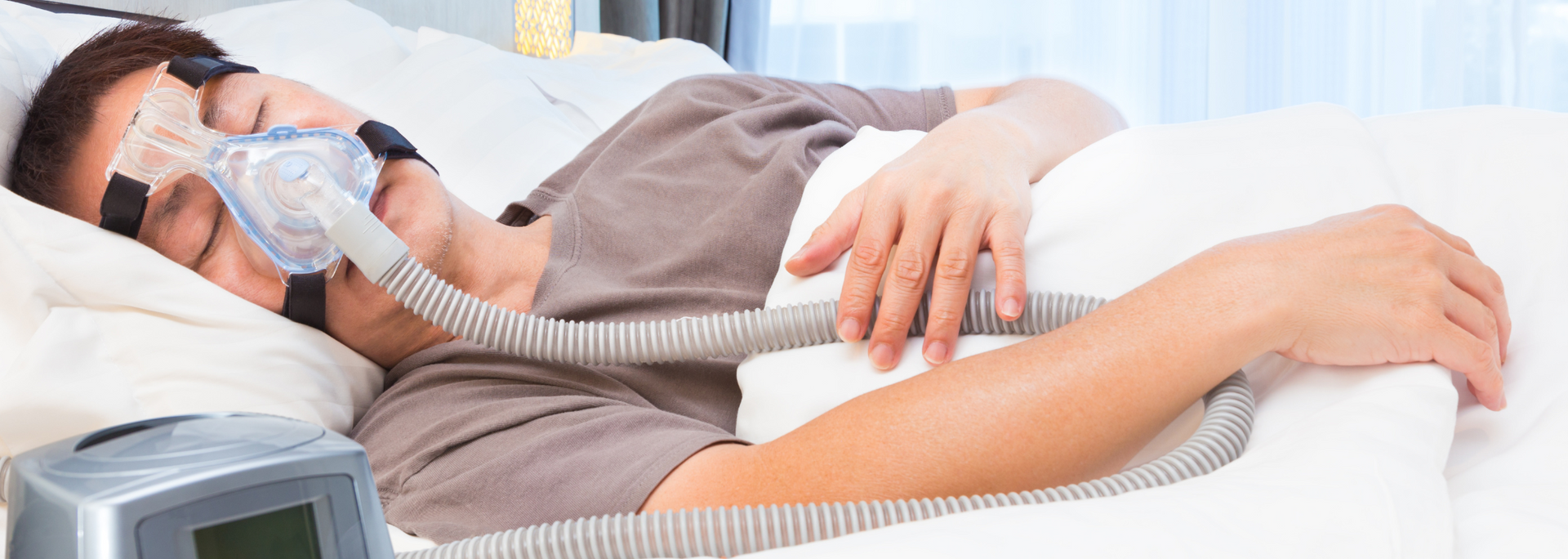
Excess fat around the neck and chest can narrow the airways. This increases the risk of sleep apnoea – a condition that causes your breathing to stop and start repeatedly while you sleep. It can lead to fatigue and increase the risk of cardiovascular problems. Plus, you may have to use a continuous positive airway pressure (CPAP) machine while you sleep.
Other breathing issues, such as asthma and obesity hypoventilation syndrome, are also more common in people living with obesity. These conditions may affect the amount of oxygen you breathe in and can reduce your quality of life.
The good news is that weight loss often improves sleep and breathing symptoms. Some people with sleep apnoea can even reduce or stop CPAP use after a while.
Cancer risk
Obesity is linked to an increased risk of certain cancers, including breast, womb, bowel, oesophageal and kidney cancer. This may be due to hormonal changes, inflammation or how fat cells affect the body's repair processes.
Not everyone with obesity will develop cancer. However, even modest weight loss can help reduce risk and support better long-term health.
Liver and digestive health
Another important effect of obesity on health is liver function. Fat can build up in the liver, causing non-alcoholic fatty liver disease (NAFLD). This can lead to inflammation and scarring if left untreated.
Weight loss is the main treatment for NAFLD. If addressed early, the condition can often be reversed entirely.
Obesity is also associated with a higher risk of acid reflux and gallstones, both of which can be helped with safe, gradual weight loss.
Change is possible
Obesity can affect many parts of the body. But small changes can make a real difference, and progress often happens faster than you might expect.
Blood sugar may improve within days, and inflammation may reduce within weeks. Other early signs of improvement include getting better sleep, increased energy and lower blood pressure.
Supportive, medically guided care can help you take the next step and make changes that last.
How we can help at SemaPen
We provide structured weight loss programmes using GLP-1 medications such as Wegovy (semaglutide) and Mounjaro (tirzepatide). These injectable drugs help people reduce their weight by 15% and 21% on average.
We offer:
- A consultation with a UK-based prescriber
- A connected smart scale to track progress
- Regular treatment reviews and access to expert advice
- In-app support with trained clinicians
- A money-back guarantee if treatment doesn't work for you
Want to explore your options? Learn more about our at-home weight loss programmes – or take our simple online consultation to find out today if you're eligible for treatment.
Sources
1. Ryan, D.H. & Yockey, S.R. (2018) "Weight Loss and Improvement in Comorbidity: Differences at 5%, 10%, 15%, and Over" Current Obesity Reports, 6(2) https://doi.org/10.1007/s13679-017-0262-y
2. Wilding, J.P.H. et al. (2021) "Once-weekly semaglutide in adults with overweight or obesity" The New England Journal of Medicine, 384(11) https://doi.org/10.1056/NEJMoa2032183
3. Jastreboff, A.M. et al. (2022) "Tirzepatide Once Weekly for the Treatment of Obesity" The New England Journal of Medicine, 387(3) https://doi.org/10.1056/NEJMoa2206038
4. Messier, S.P. et al. (2005) " Weight loss reduces knee-joint loads in overweight and obese older adults with knee osteoarthritis" Arthritis and Rheumatism, 52(7) https://doi.org/10.1002/art.21139
This article was reviewed and approved by Alice Fletcher, Lead Bariatric Dietitian, on 31 July 2025.
- Average 15-21% weight loss*
- Tailored programmes built by real experts
- Targeted support to make success feel simpler
- Unique app with weight loss tools and lessons
Your journey starts here
Start your personalised weight loss plan in minutes.
1
Start your online consultation
2
Get approved by our clinical team
3
Begin your programme