
Wegovy and fertility: the truth behind 'Ozempic babies'
Ready to take the next step? See if you're eligible for expert-led weight loss support.
Is the so-called 'Ozempic baby' phenomenon real? Find out whether semaglutide (Wegovy/Ozempic) really affects fertility in women.

In April 2024, USA Today published an article under the heading 'Ozempic babies'. 'Women across the country', it reported, 'have been bonding over their "Ozempic babies" – surprise pregnancies while taking weight loss medications.'
A month later, CNN chimed in, warning of 'surprise pregnancies [that] raise new questions about weight loss drugs'. And as recently as June 2025, the UK's Sky News wrote that 'weight loss jobs have been linked with a "baby boom"'.
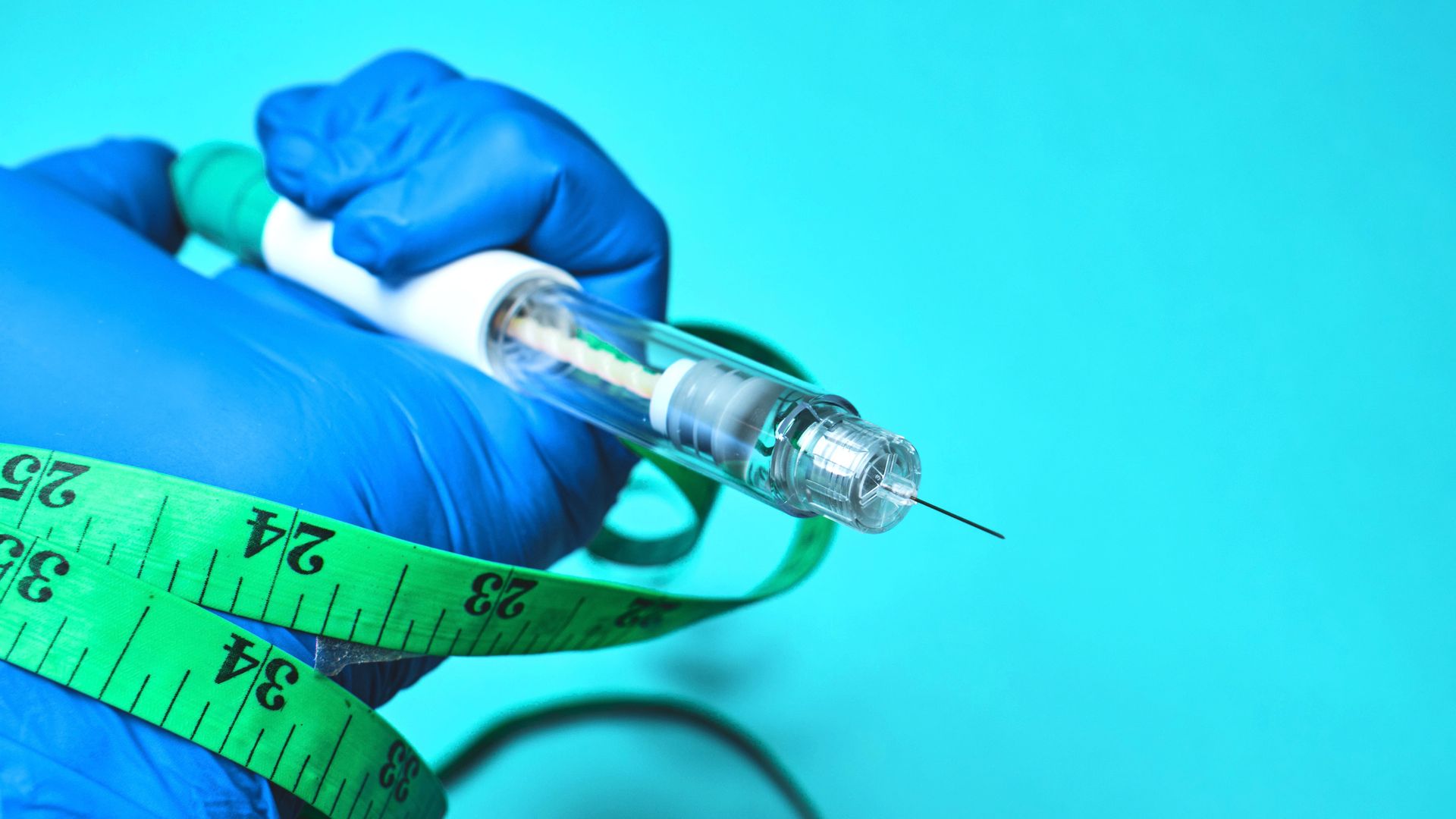
This is the so-called 'Ozempic babies' phenomenon. The theory goes that semaglutide – the active ingredient in the diabetes drug Ozempic and weight loss injection Wegovy – may increase fertility.
But is there really a link between Wegovy and fertility? Can taking a weight loss medication make pregnancy more likely?
The answer isn't a simple 'yes' or 'no'. Like so many things in medicine, it's complicated.
We'll explore the science in a moment. But first, a warning: you should not take Wegovy, Ozempic or Mounjaro while pregnant, breastfeeding or trying to conceive. That's because we simply don't have enough evidence to know whether it's safe to do so.
Wegovy and fertility: the key facts
- Wegovy is not known to directly impact fertility.
- However, the drug may have an indirect effect by addressing weight-related fertility concerns.
- You should not use weight loss injections while pregnant, breastfeeding or attempting to conceive.
Can Wegovy increase fertility in women?
Wegovy is not known to have a direct effect on fertility in women or people assigned female at birth.
However, it may indirectly improve fertility. That's because living with obesity can cause issues that negatively impact fertility. These include insulin resistance, which can upset the body's hormone balance and suppress ovulation (releasing eggs from the ovaries).
Losing weight may help address these issues, especially for people living with polycystic ovary syndrome (PCOS) and other weight-related hormonal problems.

A 2022 study found that weight loss and other healthy lifestyle interventions restored ovulation in eight out of 12 people with PCOS.
And in an earlier study also looking at people with PCOS, 12 out of 13 resumed ovulation after losing weight, while 11 became pregnant.
Can Wegovy harm fertility?
This is where things get a bit more complicated.
See, while some weight loss can improve fertility, rapid weight loss can make it worse.
There are a few reasons for this. Perhaps the biggest is that losing weight too quickly can lower oestrogen levels. Oestrogen is a sex hormone that helps regulate periods and support ovulation.
However, most people who take Wegovy and follow a sensible weight loss plan lose weight at a healthy rate.
What about Mounjaro?
Mounjaro is another weight loss drug that works similarly to Wegovy.
Like Wegovy, it's not known to affect fertility directly. However, it may indirectly improve it by promoting healthy weight loss.
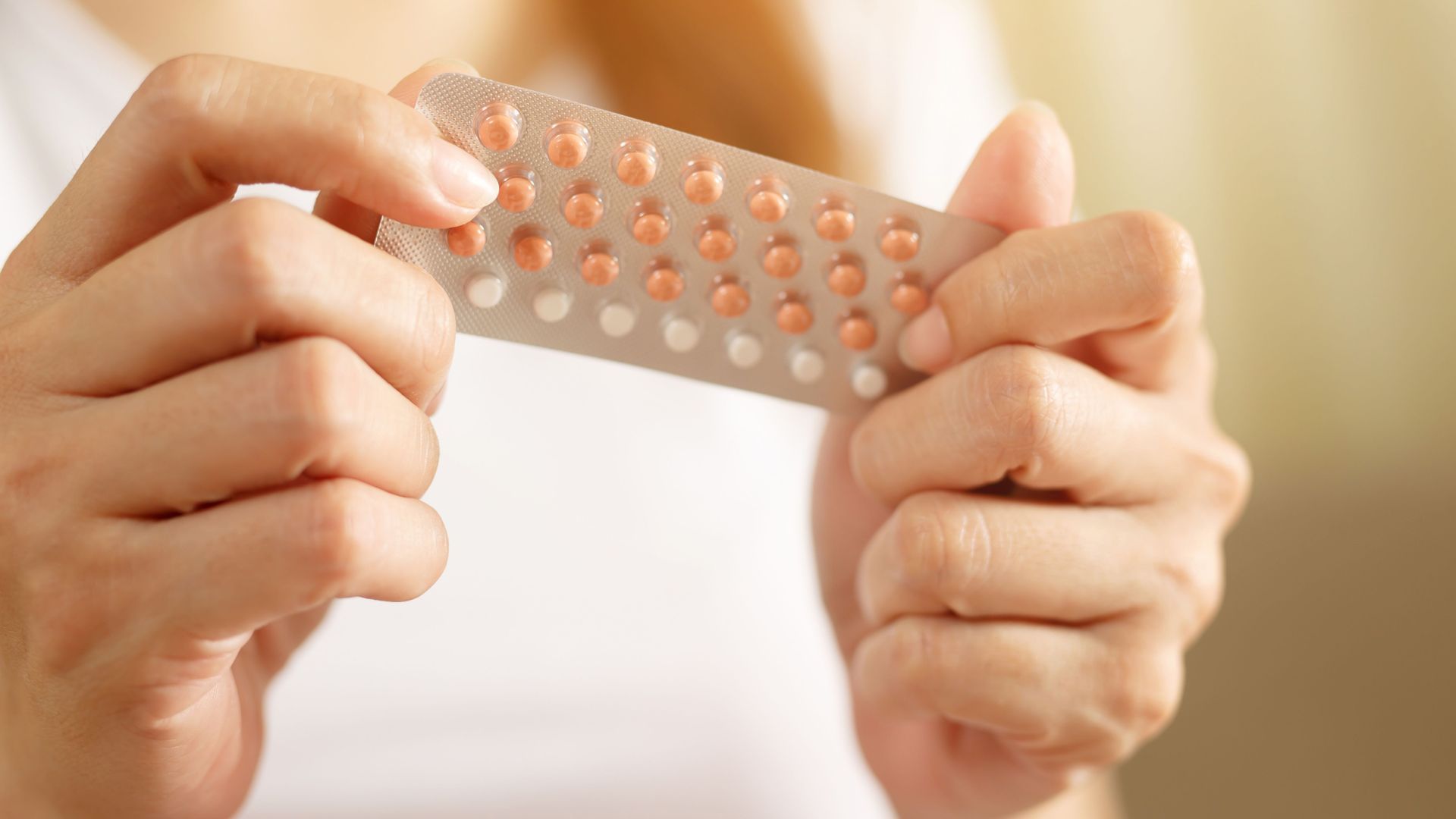
There's one important difference, though – Mounjaro can make the oral contraceptive pill work less effectively. That's because Mounjaro slows stomach emptying, which can affect how quickly the body absorbs oral (tablet) medications.
If you're taking the contraceptive pill and you want to start taking Mounjaro, you should switch to another type of birth control. Mounjaro's manufacturer recommends switching to another form of contraception that isn't taken as a pill.
Learn more about Mounjaro and the contraceptivepill.
Should I take weight loss injections as a fertility aid?
No.
As we've seen, weight loss medications may indirectly improve your chances of getting pregnant. However, it's very important that you stop taking the medication if you're pregnant or trying to conceive.

Right now, we don't know enough about how the drugs impact pregnancy to say whether they're safe. However, we do know that rapid weight loss may be linked to poor fetal development and, possibly, an increased risk of miscarriage.
You shouldn't take weight loss injections if you're breastfeeding, either. That's because the drugs can pass into breastmilk, and this could pose a risk to your baby.
When your health and the health of your baby are at stake, it's always best to err on the safe side.
So, is the 'Ozempic baby' phenomenon real?
It may well be true that people who take semaglutide are having more babies.
However, it's important to remember the statisticians' catchphrase: 'correlation is not causation'. In other words, just because you can draw a link between two things, it doesn't mean that the first thing caused the second thing to happen.
There could be lots of reasons why taking semaglutide might appear to make pregnancy more likely. For instance:
- Losing weight can increase our energy levels. If we have more energy, we might be more willing or able to have sex regularly.
- Losing weight can improve self-confidence and body image. Again, for certain people, this might mean more regular sex.
- As we've seen, semaglutide can indirectly affect fertility by helping to resolve hormonal issues. That could at least partially account for the reported increase in pregnancy rates.
- People can be quick to draw links between actions and results, especially when they make a significant lifestyle change (such as taking a new medication). It might be that some people believe semaglutide helped them get pregnant, when in fact it was pure chance.
Or, indeed, semaglutide might have a direct effect on fertility that we don't yet know about. However, it's impossible to say without doing more research.
And one final reminder: you absolutely should not take Wegovy or Ozempic if you're trying to get pregnant. Take it from the medical experts – it's just not worth the risk.
SemaPen is an online weight loss clinic specialising in expert-led medical treatments for obesity. Follow our blog for more news, tips and guides.
Sources
1. Gorczyca, A.M. et al. (2022) "The impact of a group based, remotely delivered weight loss intervention in women with polycystic ovary syndrome on ovulation, quality of life and body composition" Frontiers in Reproductive Health, 4:940945 https://doi.org/10.3389/frph.2022.940945
2. Clark, A.M. et al. (1995) "Weight loss results in significant improvement in pregnancy and ovulation rates in anovulatory obese women" Human Reproduction, 10(10) https://doi.org/10.1093/oxfordjournals.humrep.a135772
This article was reviewed and approved by Alice Fletcher, Lead Bariatric Dietitian, on 31 July 2025.
- Average 15-21% weight loss*
- Tailored programmes built by real experts
- Targeted support to make success feel simpler
- Unique app with weight loss tools and lessons
Your journey starts here
Start your personalised weight loss plan in minutes.
1
Start your online consultation
2
Get approved by our clinical team
3
Begin your programme