
What causes obesity?
Ready to take the next step? See if you're eligible for expert-led weight loss support.
Obesity is on the rise. But what's causing this global crisis? Join us as we explore the real causes of obesity.
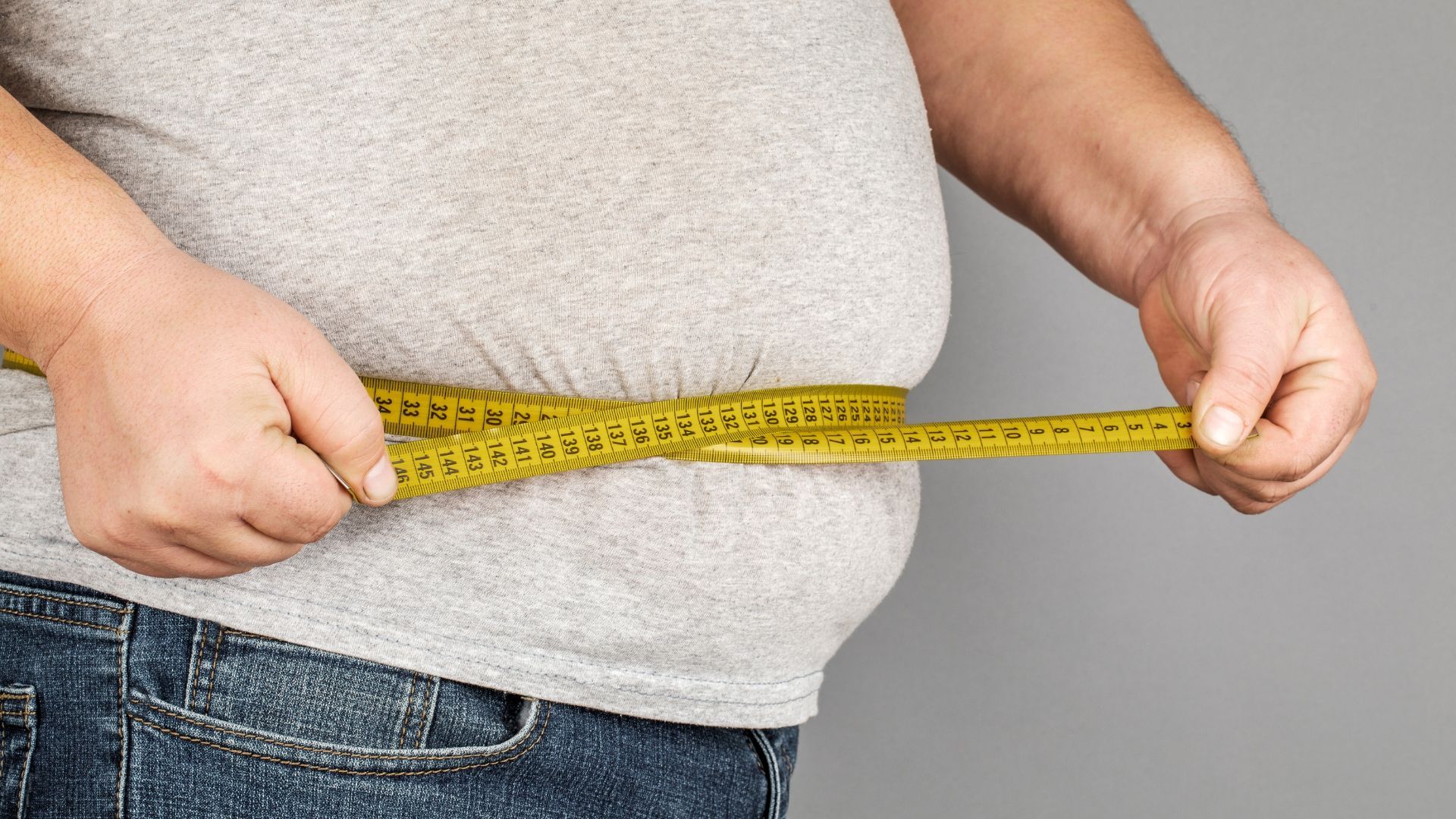
The World Health Organisation reports that, as of 2022, one in eight people worldwide was living with obesity. That's a stark increase from 1990 when 50% fewer adults and 75% fewer adolescents were affected.
Obesity is becoming more prevalent. This is troubling news, both for those living with the disease and for the governments and healthcare systems that spend billions treating it. According to one report, the global cost of overweight and obesity will reach $18 trillion by 2060 if we fail to address the snowballing crisis. In 2020, it already cost us $3 trillion.
But why?
What's causing this tremendous increase in obesity rates? Has everyone, all at once, decided to start eating more and exercising less?
The answer is complicated. At its most basic, obesity is caused by suboptimal eating habits. However, to say that people are responsible for their own obesity would be vastly oversimplifying the issue. Many of the factors that exacerbate obesity are outside of any one person's control.
With that in mind, let's look at the causes of obesity in two parts. First, the basic risk factors for obesity – the things we eat, do or don't do that can make the disease worse. And secondly, the external factors – problems outside our control that require wide-ranging, collaborative solutions.
The basic causes of obesity
Calorie surpluses and calorie deficits
Your body is a complex, fascinating thing. It's a synchronised dance of trillions of cells, all working together to maintain a dazzling array of systems and functions.
But despite this complexity, we can break weight gain down to a very simple formula. If you take in more calories than you burn, you gain weight. This is because our bodies store excess calories as fat.
The opposite is also true. If you burn more calories than you take in, you lose weight.
Calories come from food – and some foods are more calorific than others. Fatty and sugary foods, sugary drinks and alcohol are among the worst culprits, as are large portion sizes.
We burn calories through physical activity like exercise. Physical activity requires energy – and to get that energy, our bodies draw on those stored fat deposits.
That's why diet and exercise remain among the most common and effective treatments for obesity. When we eat smaller, healthier meals and exercise more, we create a calorie deficit and lose weight.
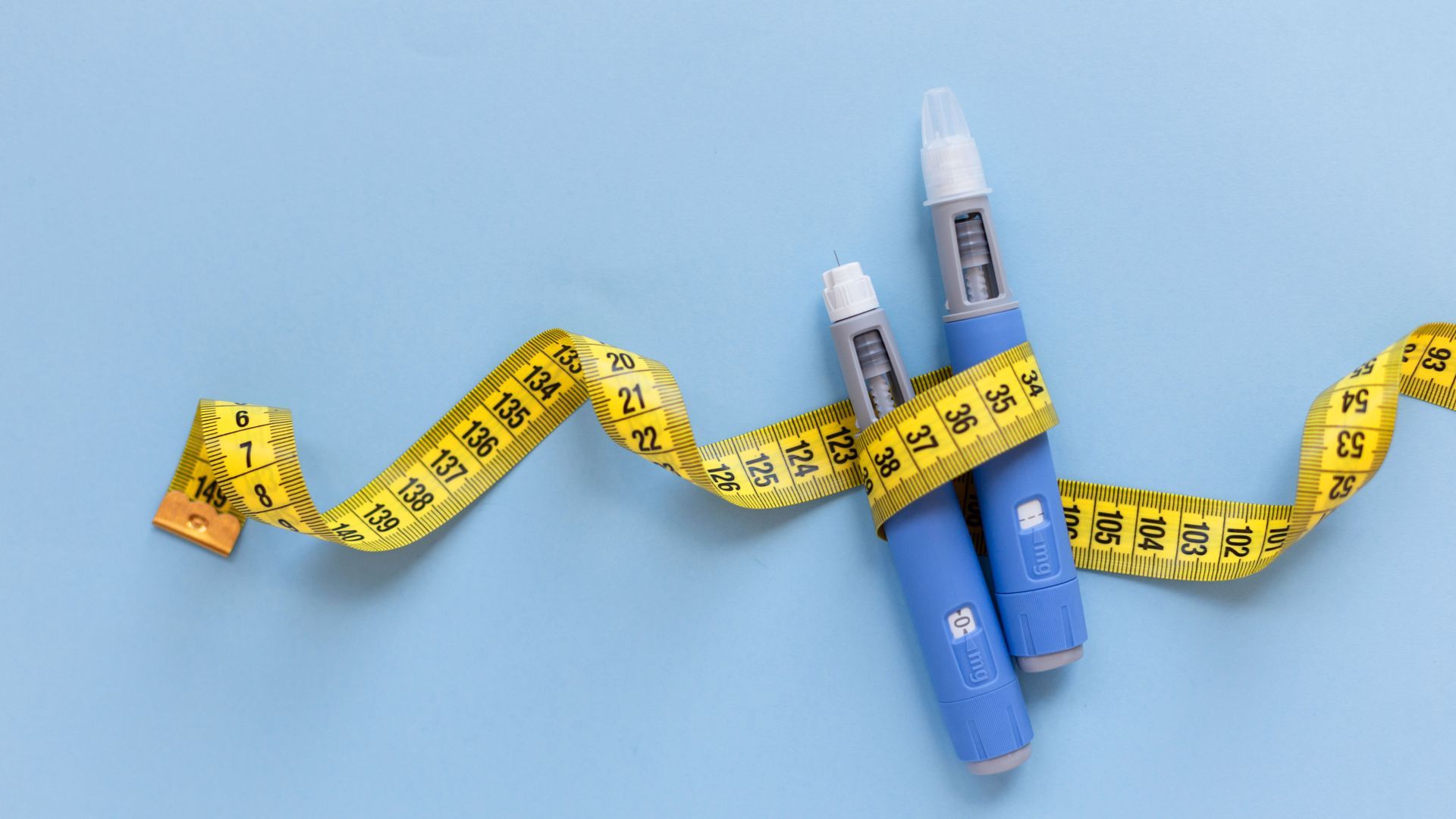
Even modern weight loss injection pens like Wegovy and Mounjaro work on the same principle. These drugs do extraordinary things to the body, including slowing down digestion and making us feel full for longer. But these effects just make it easier to maintain healthy eating habits – and for treatment to be effective, patients must also exercise regularly.
Other medical factors
So, at its most basic level, obesity is a question of calories eaten and calories burned. However, there are other medical factors at play that can make obesity more likely or more difficult to address.
For instance, existing conditions such as polycystic ovary syndrome, hypothyroidism and physical injury can contribute to weight gain. As can medications, including certain antipsychotics, antidepressants and blood pressure drugs.
Finally, our DNA can play a part. Some of us are simply wired – genetically speaking – to be more susceptible to obesity.
Many of these factors are outside of our individual control. We can't choose our genetic makeup or which health conditions we live with. And while we can, in theory, control which medications we use, it wouldn't make much sense to stop taking a drug that we rely on.
That leaves diet and physical activity as the only factors we can directly control. But even this is easier said than done. That's because the environments in which we live and the systems they support are making it more and more difficult to maintain a healthy weight.
Environmental factors causing obesity
Obesogenic environments
An obesogenic environment is one that makes weight gain more likely and weight loss more difficult.
You only need to look at global obesity rates to see that obesogenic environments are everywhere. However, some environments are more obesogenic than others. Cities, for instance, are particularly obesogenic because fast food is typically plentiful and cars are often given priority over pedestrians.
These are just two examples of many, however. Our environments can influence our weight in countless ways – for example:
- Supermarket food options: in many places, unhealthy, calorie-dense food is becoming cheaper and more plentiful.
- Technology and media: it would be easy to argue that the rise of the internet and sites like YouTube and Netflix make binge-watching (and binge-snacking) more likely.
- Advertising: are retailers encouraging unhealthy eating – directly or otherwise? A report by the Food Foundation revealed that more than a third of UK supermarket promotions are for unhealthy foods.
- Financial factors: there may be real or perceived costs associated with exercise and healthy eating. This is backed up by the Food Foundation's research, which found that healthier food options are twice as expensive per calorie in the UK.
- Work-life balance: some workers – especially those in low-wage jobs – may find it difficult to find the time to cook healthy meals or exercise.
To some extent, local authorities can influence these factors. We saw this in 2012 when Birmingham City Council began limiting the number of fast-food takeaways it granted planning permission. Under the council's policy, only 10% of outlets in any shopping area were allowed to operate as takeaways.
Measures like this can help on a local level. But the obesity crisis runs deeper and wider than that. To truly address the issue, governments, healthcare professionals and obesity advocates must work together to find solutions that work on a global scale.
Psycho-social factors
When we talk about psycho-social causes of obesity, we mean the way society influences our behaviour and contributes to weight gain.
These factors go hand in hand with obesogenic environments. They include things like loneliness – more common, perhaps unexpectedly, in dense urban environments³ – and the mental stress associated with living in deprived high-crime areas.
Social stigmas can also affect our mental health and contribute to weight gain. For instance, a person may gain weight from the stress of being part of a marginalised group. Or, indeed, because they're stigmatised for living with obesity.
In this way, obesity can be a vicious cycle. Society stigmatises obesity, which causes mental stress and makes losing weight more difficult. Breaking this cycle requires fundamental changes in the way obesity is perceived and addressed – in society, in government and in healthcare.
SemaPen is an online clinic that specialises in expert-led medical weight loss plans. As part of Phoenix Health, we've helped people with obesity live healthier, happier lives for more than 20 years.
Sources
1. Okunogbe, A. et al. (2022) "The Economic Impact of Overweight & Obesity 2nd Edition with Estimates for 161 Countries" https://data.worldobesity.org/publications/WOF-Economic-Impacts-2-V2.pdf
2. "The Broken Plate 2025: The State of the Nation's Food System" https://foodfoundation.org.uk/sites/default/files/2025-01/TFF_The%20Broken%20Plate%202005%20FINAL%20DIGITAL.pdf
3. Lai, K.Y. et al. (2021) "Calculating a national Anomie Density Ratio: Measuring the patterns of loneliness and social isolation across the UK's residential density gradient using results from the UK Biobank study" Landscape and Urban Planning, 215 https://doi.org/10.1016/j.landurbplan.2021.104194
This article was reviewed by and approved by Alice Fletcher, Lead Bariatric Dietitian, on 3 April 2025.
- Average 15-21% weight loss*
- Tailored programmes built by real experts
- Targeted support to make success feel simpler
- Unique app with weight loss tools and lessons
Your journey starts here
Start your personalised weight loss plan in minutes.
1
Start your online consultation
2
Get approved by our clinical team
3
Begin your programme