
Microdosing Ozempic: the future of weight loss or a dangerous fad?
Ready to take the next step? See if you're eligible for expert-led weight loss support.
Microdosing Ozempic is sparking buzz online – but is it safe or supported by research? Get the straight facts.

Microdosing Ozempic for weight loss has become a hot topic in recent months, stirring both excitement and scepticism among those seeking ways to manage their weight.
It's easy to feel tempted by stories of quick wins and milder side effects. Yet, as we delve deeper, we find that microdosing raises important questions – about clinical evidence, safety and whether a do-it-yourself approach truly pays off in the long run.
Does microdosing really work, or could it steer you towards an uncharted and potentially hazardous territory? In this post, we'll look at the evidence, and I'll share my honest thoughts and experiences as a SemaPen patient.
Understanding Ozempic, Wegovy, and 'microdosing'
First, a clarification. Ozempic and Wegovy both contain the active ingredient semaglutide. However, they are not the same drug. Ozempic is licensed primarily to manage type 2 diabetes, while Wegovy is licensed specifically for weight loss.
The drugs come in different strengths, have different dosing schedules and should each be prescribed for separate conditions. Yet you'll often see them discussed interchangeably, especially on social media.
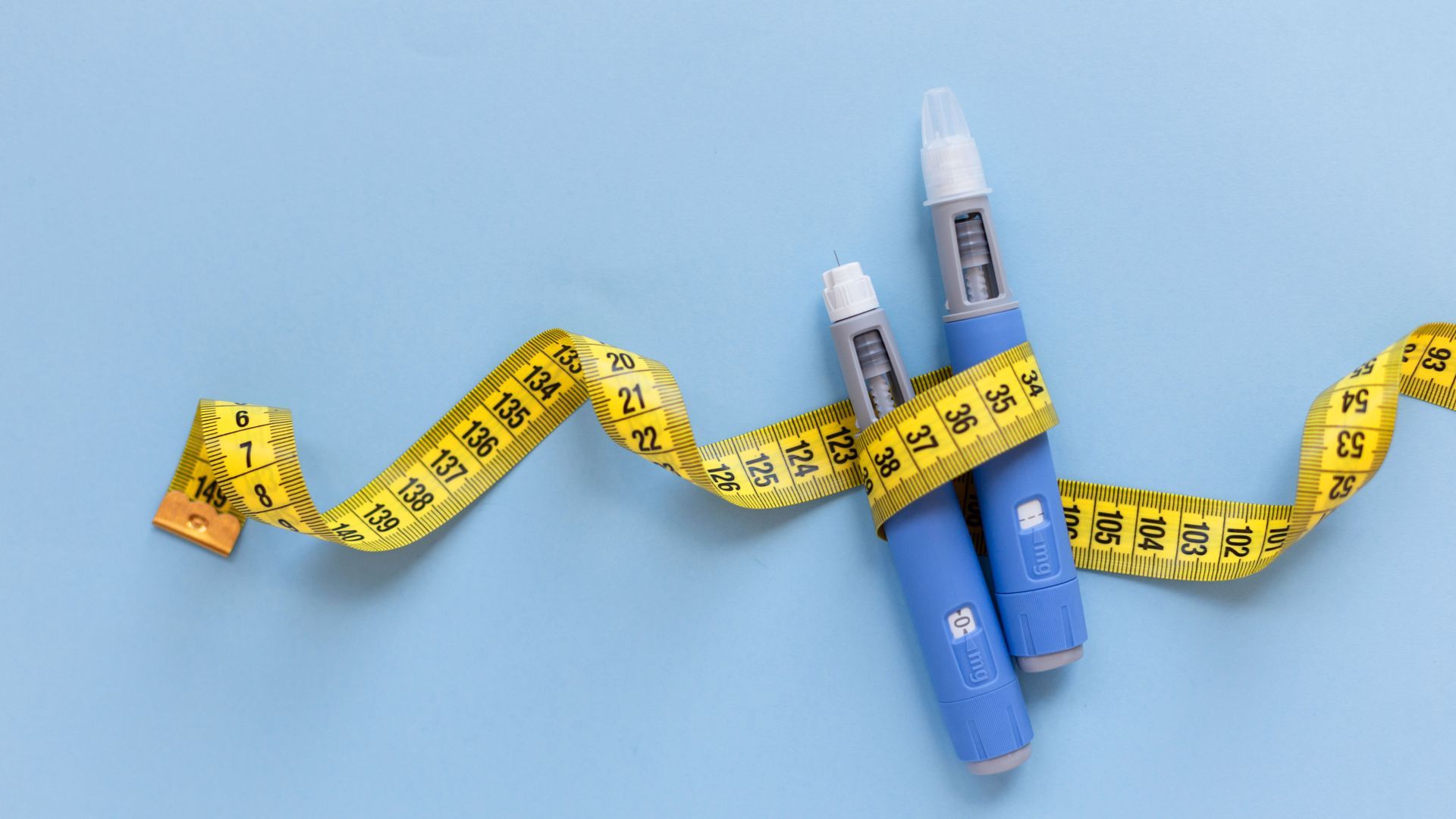
Microdosing refers to taking far smaller doses than those set out by standard medical guidelines. In practice, this can mean measuring a smaller dose using the dial on the pen or using the pen less frequently than directed. Users do this in an effort to reduce side effects or costs – or both.
Advocates of microdosing often cite personal experiences and rumours that 'a little goes a long way'. However, as far as official clinical research goes, no large-scale, peer-reviewed evidence exists to show that microdosing of Ozempic or Wegovy is effective or safe for weight management or blood sugar control.
The key facts
- Microdosing Ozempic has
not been tested in clinical trials and does
not have regulatory approval.
- If you choose to microdose, you are doing so outside recommended medical guidelines and without robust scientific support.
- SemaPen strongly encourages you to seek professional medical advice before trying any unproven dosing schedule.
Why microdosing attracts so much buzz
1. Fewer side effects?
An oft-cited benefit of microdosing is the possibility of fewer gastrointestinal side effects such as nausea, constipation, or vomiting. While it's true that these side effects often crop up when ramping up to higher doses, there is no proof that microdosing delivers the same long-term benefits with fewer side effects.
2. Lower monthly cost
Some see microdosing as a loophole to make their medication (and budget) go further. But here's the rub: if the dose is too low to be therapeutic, you might be wasting money on something that won't deliver real, sustained weight-loss benefits. In the worst-case scenario, you could also be risking unmonitored side effects or drug interactions.

3. Less fear of 'overdoing it'
Many people are rightfully cautious about powerful weight-loss medications. They believe taking smaller doses might be a gentler approach. However, semaglutide was tested and licensed at specific doses and frequencies precisely because that's how researchers found it works safely and effectively. Microdosing is guesswork – and guesswork can be risky.
The real clinical trials (and why microdosing doesn't fit)
As you might know, clinical trials are controlled research studies designed to show whether a particular medical strategy, treatment or device is safe and effective for humans. They typically proceed through phases, each involving progressively larger groups of participants. If a medication hasn't been examined in trials, there's no rigorous proof of its safety or effectiveness.
Wegovy (semaglutide) trials for weight loss
The STEP 1 trial, one of the best known, found participants lost about 15% of their body weight on average when using a once-weekly Wegovy regimen for 68 weeks.
No microdose regimen was tested. Instead, participants took doses of 0.5mg, 1mg and eventually 2.4mg once weekly.
Ozempic (semaglutide) trials for type 2 diabetes
Ozempic is prescribed at licensed doses (from 0.25mg up to 1mg or 2mg, depending on a person's needs) to improve blood sugar control. Data from these trials support that regimen for safety and efficacy.² Again, microdosing was never part of the equation.
Without clinical trial data, microdosing amounts to a grand experiment – with you as the unmonitored test subject.
SemaPen offers support for safe, licensed semaglutide treatments through its programme – and that support is anchored in evidence-based dosing protocols that real trials confirm.
Potential dangers of microdosing (and doing it alone)
- Unpredictable results: no one can tell you how effective microdosing might be at weight reduction or controlling cravings.
You may see little or no results and find yourself disappointed – or, worse, lulled into a false sense of security.
- Drug supply and quality: some who microdose resort to sketchy online pharmacies or compounded medications because there's less oversight over what you take and when. This can mean a higher risk of receiving medication that isn't what it claims to be.
- No medical oversight: if you're microdosing on your own, who's monitoring your progress or stepping in if something goes wrong? Having a medical team on board means getting expert support for addressing complications, identifying potential drug interactions and more.
The SemaPen approach: supporting safe, individualised care

If you're feeling confused by the swirl of hype and misinformation, trust me – I've been there. That's precisely why I joined SemaPen.
SemaPen is not just another online pharmacy. It's a programme headed by obesity experts who have spent more than 20 years helping people achieve sustained weight loss. All treatments here are fully licensed, meaning the doses, frequencies and patient support have been thoroughly examined and validated by specialists.
- Tailored dosing (but not microdosing)
SemaPen does adjust your dose over time, but only as per the official prescribing guidelines, gradually increasing from a low starting dose so your body can adjust. This is a safe, proven approach – not guesswork. - Around-the-clock professional support
Whether you're just starting treatment or have been on semaglutide for months, the medical team is available via live chat, phone, or email. - Lifestyle and dietary guidance
SemaPen emphasises genuine lifestyle change. We're talking diet adjustments, gentle exercise goals and mental health support – helpful if you're uncertain about how to maximise results safely.
Book a consultation today
If you're new to semaglutide treatment, you can sign up athttps://app.semapen.co.uk/ for a clinical consultation. If you're already a patient, simply reach out via live chat in your app or patient portal with any questions.
And if you'd like to explore broader options, why not read SemaPen's article on semaglutide alternatives?
Filtering the noise: final thoughts
In a culture saturated with quick-fix hacks and viral TikTok remedies, it's understandable that Ozempic microdosing might look tempting – particularly if you're worried about cost or side effects.
But remember, microdosing hasn't gone through legitimate clinical trials, so we have no data on its long-term effectiveness, risk profile or how it may interact with other medications.
In my view, weight management is already tricky enough without introducing off-label guesswork.
One of the big reasons I trust SemaPen is that its team combines licensed medication with real human support. Because, as wonderful as it might be to say 'just take a little bit', I've found the best way to sort fact from fiction is by getting solid, clinically backed advice from professionals who truly know the ins and outs of obesity care.
In summary
If the idea of microdosing Ozempic (or Wegovy) has piqued your curiosity, please consider talking to a medical professional before experimenting. Quick fixes can feel appealing, but your long-term health is worth taking every precaution.
Stay well, stay informed and remember: never be afraid to ask questions – especially when it's your health on the line.
Sources
1. Wilding, J.P.H. et al. (2021) "Once-weekly semaglutide in adults with overweight or obesity" New England Journal of Medicine, 384(11) https://doi.org/10.1056/NEJMoa2032183
2. Sorli, C. et al. (2017) "Efficacy and safety of once-weekly semaglutide monotherapy versus placebo in patients with type 2 diabetes (SUSTAIN 1): a double-blind, randomised, placebo-controlled, parallel-group, multinational, multicentre phase 3a trial" The Lancet Diabetes & Endocrinology, 5(4) https://doi.org/10.1016/S2213-8587(17)30013-X
This article was reviewed by and approved by Alice Fletcher, Lead Bariatric Dietitian, on 3 April 2025.
- Average 15-21% weight loss*
- Tailored programmes built by real experts
- Targeted support to make success feel simpler
- Unique app with weight loss tools and lessons
Your journey starts here
Start your personalised weight loss plan in minutes.
1
Start your online consultation
2
Get approved by our clinical team
3
Begin your programme