
Treating childhood obesity: a guide for parents
Ready to take the next step? See if you're eligible for expert-led weight loss support.
Is your child living with obesity? Learn about childhood obesity treatment options in our parents' guide.
Childhood obesity is a growing concern. According to the World Health Organisation, 160 million people aged five to 19 were living with obesity in 2022.
Here in the UK, the data paints an equally stark picture. A large-scale NHS survey showed that 12% of children in England aged between two and 10 were classified as obese in 2022. For children aged between 11 and 15, the proportion was 19% – nearly one in five.
These figures are troubling. Not only does obesity cost the NHS more than £6.5 billion each year, but it can also have profoundly negative effects on a person's health and quality of life. For children, as with adults, obesity can increase the risk of developing certain mental and physical health problems, including heart disease, diabetes and depression.
The good news is that childhood obesity is treatable. With the right support, children can achieve a healthy weight and learn positive habits they can carry into adulthood.
It's not always easy – far from it. Obesity is a complex and chronic disease that often requires lifelong management. But as a parent, the earlier you step in to help, the better.
In this article, we explore the most common childhood obesity treatments as well as at the support options available to children and their parents in the UK.
Please note that the information in this article is not intended to be taken as medical advice. For up-to-date guidance on childhood obesity, refer to the NHS website or speak to a healthcare professional.
How can I find out if my child has obesity?
It can be hard to know if a child is living with obesity. Looks can often be deceiving – especially in childhood.
One way to get an idea is to use the childhood BMI calculator on the NHS website. It can tell you whether your child is a healthy weight for their age and provide guidance on what to do next.
Speak to your doctor if you're worried about your child's weight, they've gained weight quickly or you've taken steps to help that haven't worked.
Childhood obesity treatment options
Lifestyle interventions
Lifestyle interventions such as diet changes and exercise are tried and tested methods of losing weight.
Your doctor may advise lifestyle interventions as a first port of call. However, you don't need to wait for your doctor to give the go-ahead. Encouraging your child to stay active and learn good eating habits can improve their overall health and well-being, as well as help them maintain a healthy weight.
The NHS website has helpful advice for parents who want to help their children manage their weight.
Behaviour change techniques
Behaviour change techniques (BCTs) go further than lifestyle interventions. They provide a structured way to help children and their families improve their lifestyle and eating habits.
BCTs involve working together to identify and rectify the behaviours that make it difficult for the child to lose weight. Together with their family members or caregivers, the child is encouraged to set achievable goals and monitor their progress as they work towards them.
You can access this type of treatment at specialist weight loss clinics.
Orlistat
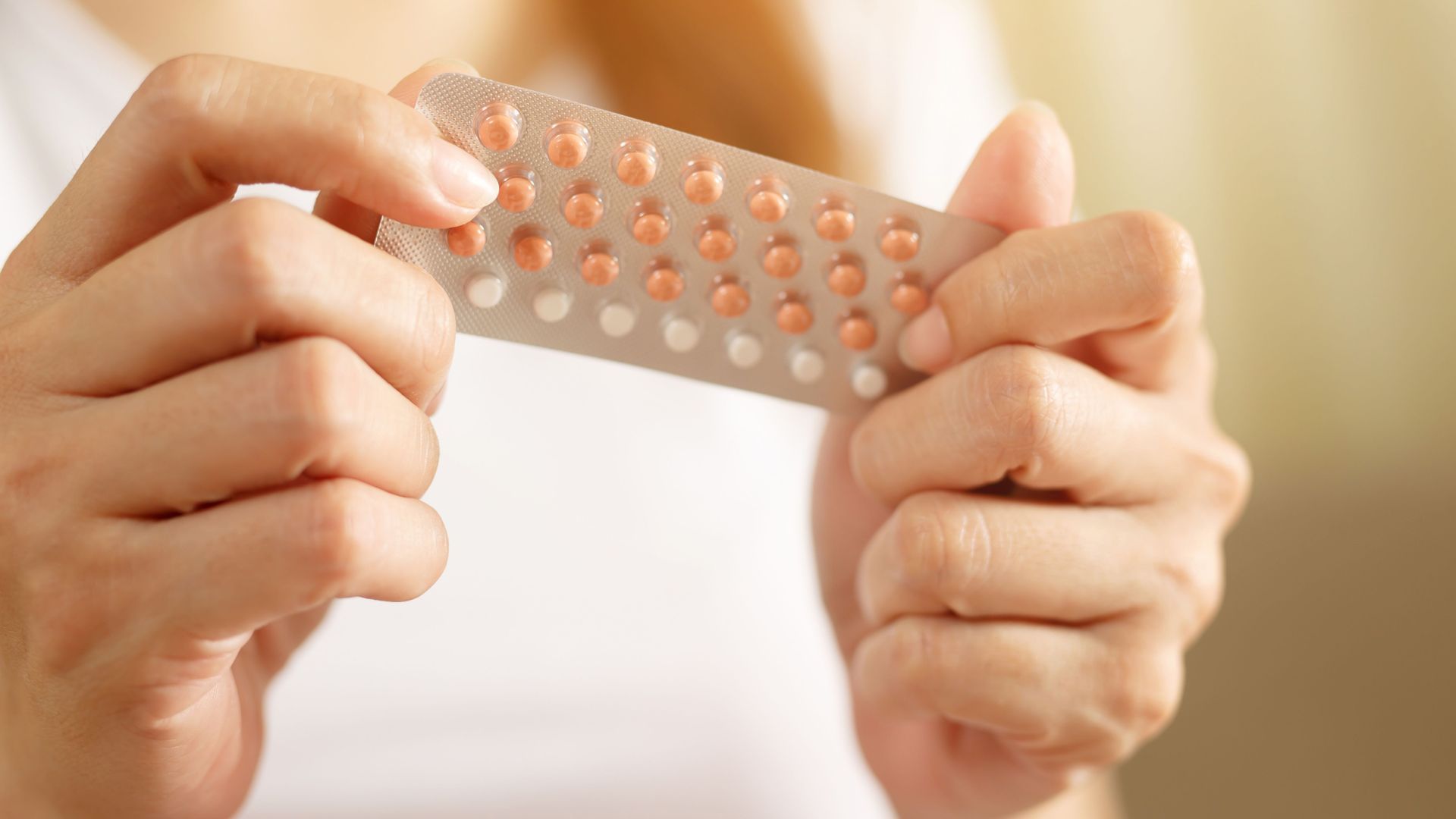
Orlistat is a weight loss tablet that reduces the amount of fat absorbed from food. The drug is also available under the brand name Alli.
Children aged 12 to 17 can take orlistat only when it's prescribed by a specialist. This is not common practice. As the NHS obesity guidelines state, 'the use of orlistat in children is only recommended in exceptional circumstances, such as if a child is severely obese and has an obesity-related complication'.
Bariatric surgery
Bariatric surgery is a type of operation that reduces the size of the stomach. This means patients feel full more quickly when eating. Because they eat smaller portions, it's easier for them to lose weight.
Bariatric surgery is considered a safe and effective treatment for adults. However, it's not usually recommended for children. It may be offered to older children in exceptional circumstances – for instance, if they're living with severe obesity and have obesity-related health conditions.
What support is available for children living with obesity?
Your NHS GP or a private doctor
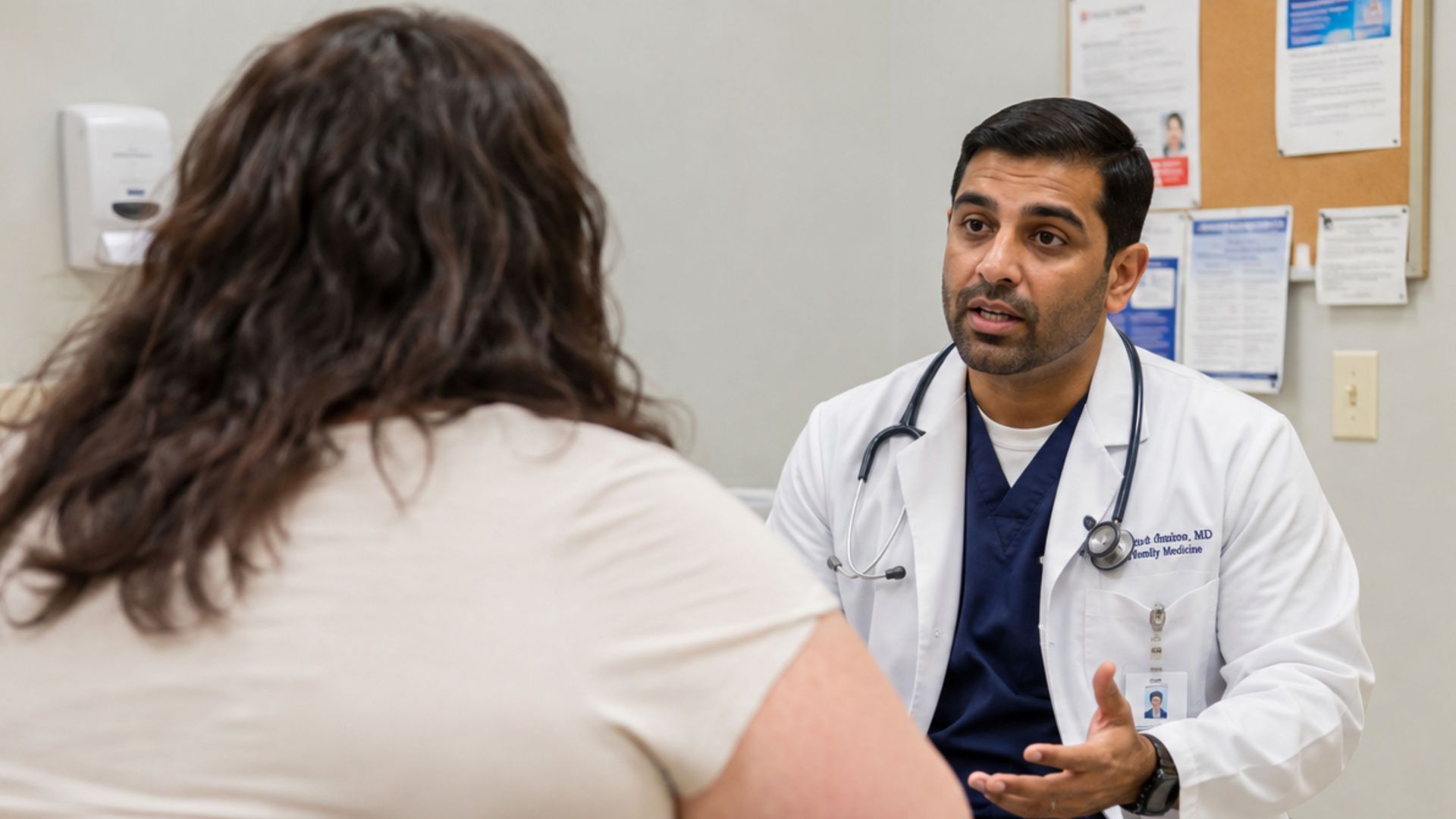
If you're worried about your child's weight, you can ask your doctor for help. They'll give you tailored advice and can look for underlying health conditions that might be making things worse.
Specialist NHS weight management clinics
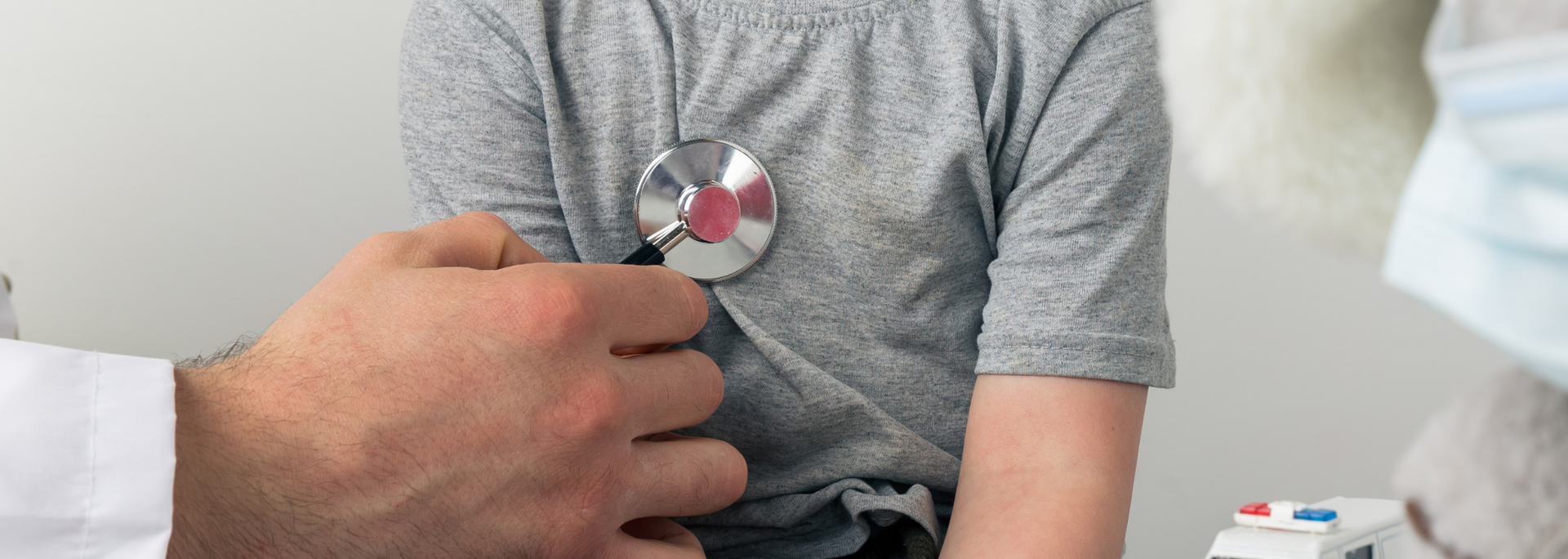
The NHS operates 30 specialist clinics throughout England dedicated to helping children with obesity and their families. These are known as 'Complications from Excess Weight clinics' (CEW clinics). You can see a map of the clinic locations here.
CEW clinics take a holistic approach to treating childhood obesity. This means they consider a wide range of potential causes and offer treatments tailored to each child's individual needs and circumstances.
To attend a CEW clinic, your child will need at least two referrals. First, they must get a referral from a primary care provider (such as a GP) to a specialist. Then the specialist must refer them directly to the clinic.
There are similar services available in other parts of the UK. In Scotland, for instance, children can be referred to the Specialist Weight Management Service, run by NHS Greater Glasgow and Clyde.
Specialist private clinics
You'll find several private clinics across the UK that specialise in helping children and adolescents lose weight.
The services offered tend to be similar to those provided by the NHS CEW clinics. In other words, you can expect a holistic treatment programme, including interventions like diet advice, behavioural counselling and help with exercise.
Unlike NHS services, private clinics don't usually require a referral. However, your child will have to undergo a medical consultation to make sure they're suitable for the clinic's programmes.
Are weight loss injections available for children with obesity?
To access the SemaPen programme, you must be 18 or older. This is because, at present, injectable weight loss medications (GLP-1 agonists) ARE NOT licensed for those under the age of 18 for the treatment of obesity. Two types of GLP-1 agonists are licensed for children over the age of 10 living with type 2 diabetes, with the child having close supervision and review from a specialist team.
Again, this is not common.
This doesn't mean these drugs are unsafe or ineffective in children. It simply means that health authorities are waiting for more research to be conducted into the drug's effects on younger people.
Some promising research has already emerged. A 2022 clinical trial, for instance, found that semaglutide was safe and effective in adolescents aged 12 to 17 when combined with positive lifestyle changes.
At SemaPen, we believe there's a real need for effective intervention in childhood obesity and welcome all research into new treatment options.
SemaPen is a trusted weight loss injection clinic based in the UK. As part of Phoenix Health, we've helped people living with obesity lose weight for more than 20 years.
Sources
1. Weghuber, D. et al. (2022) "Once-Weekly Semaglutide in Adolescents with Obesity" New England Journal of Medicine, 387(24) https://doi.org/10.1056/NEJMoa2208601
This article was reviewed by and approved by Alice Fletcher, Bariatric Dietitian, on 28 February 2025.
- Average 15-21% weight loss*
- Tailored programmes built by real experts
- Targeted support to make success feel simpler
- Unique app with weight loss tools and lessons
Your journey starts here
Start your personalised weight loss plan in minutes.
1
Start your online consultation
2
Get approved by our clinical team
3
Begin your programme